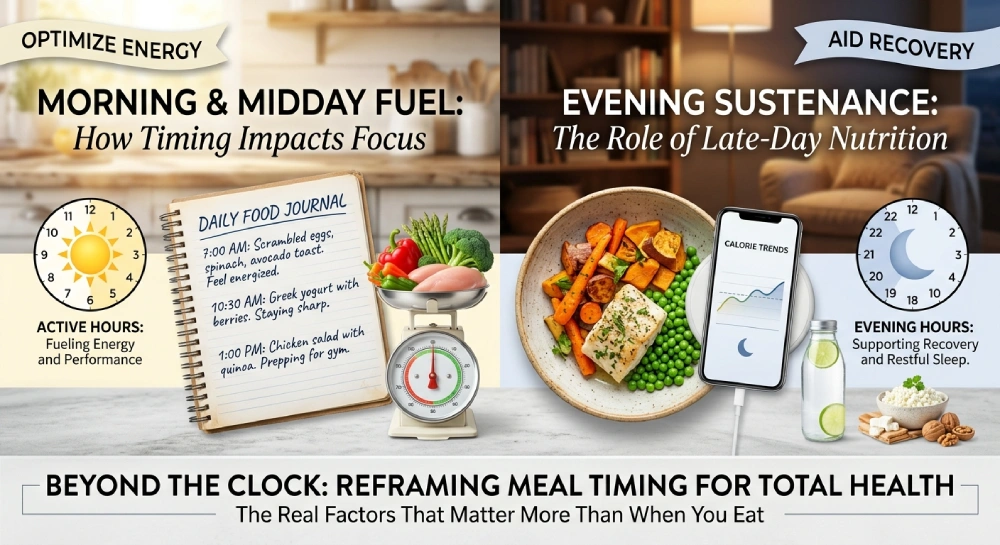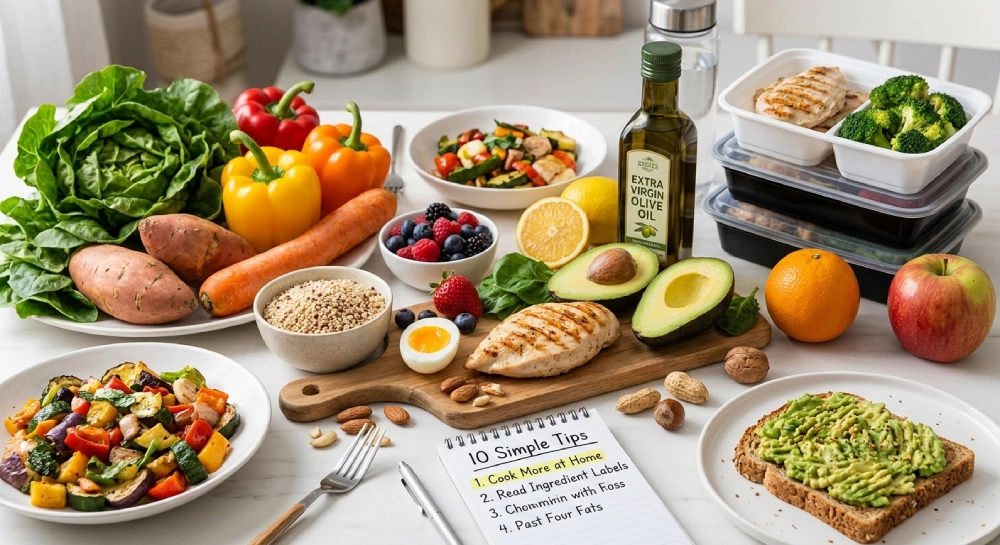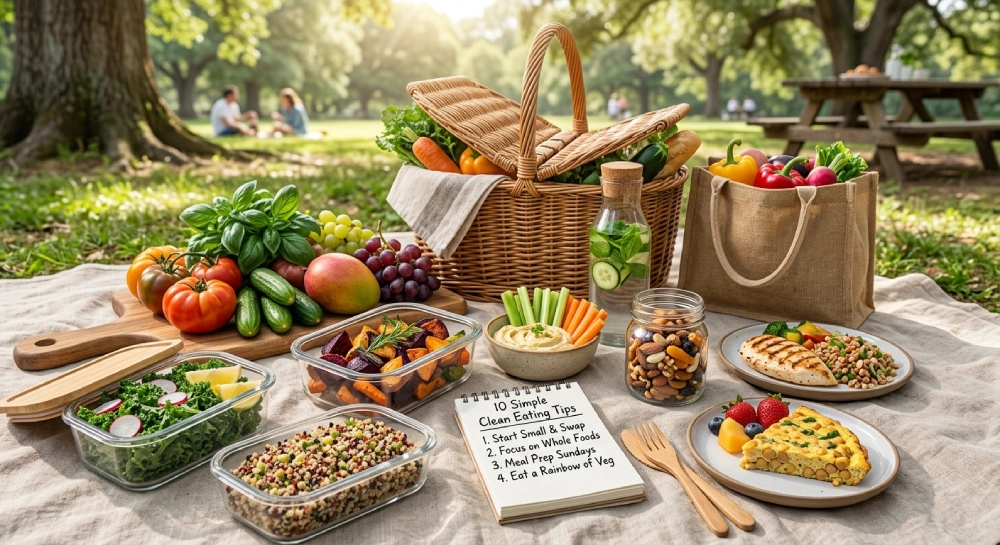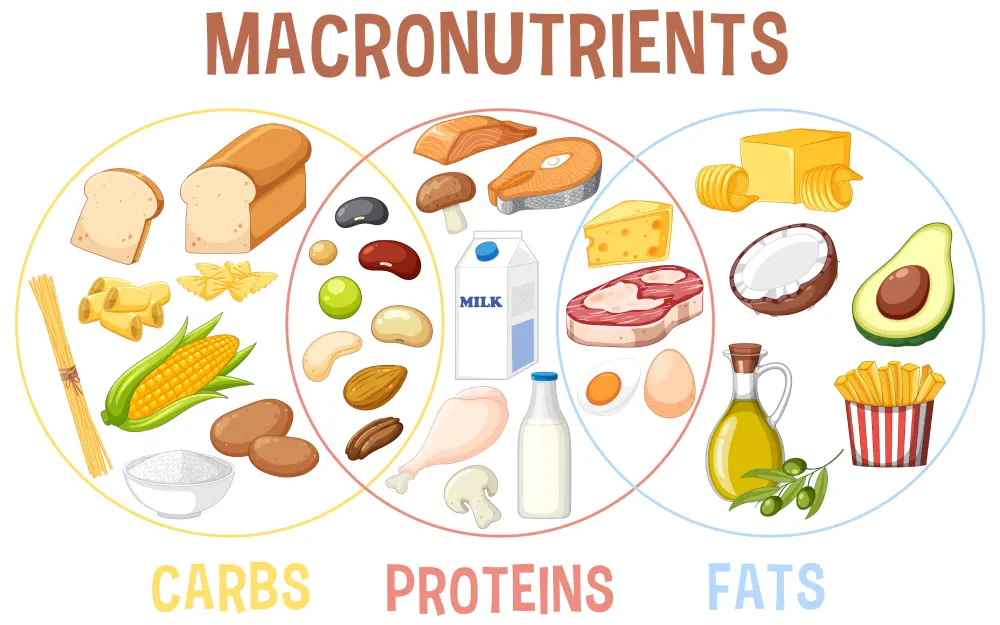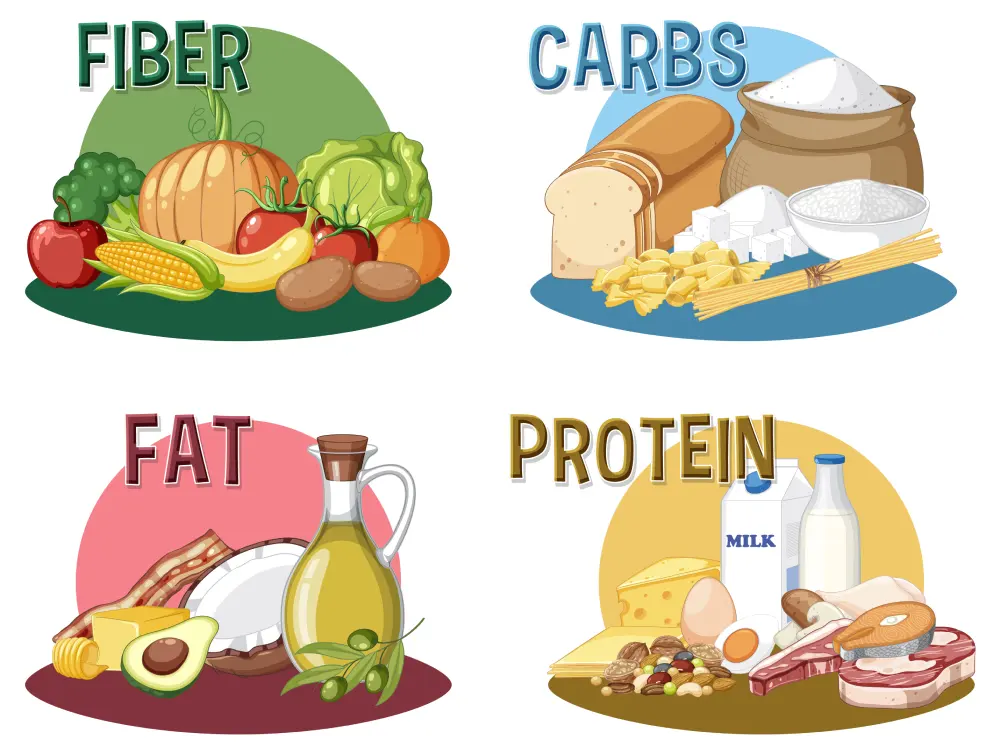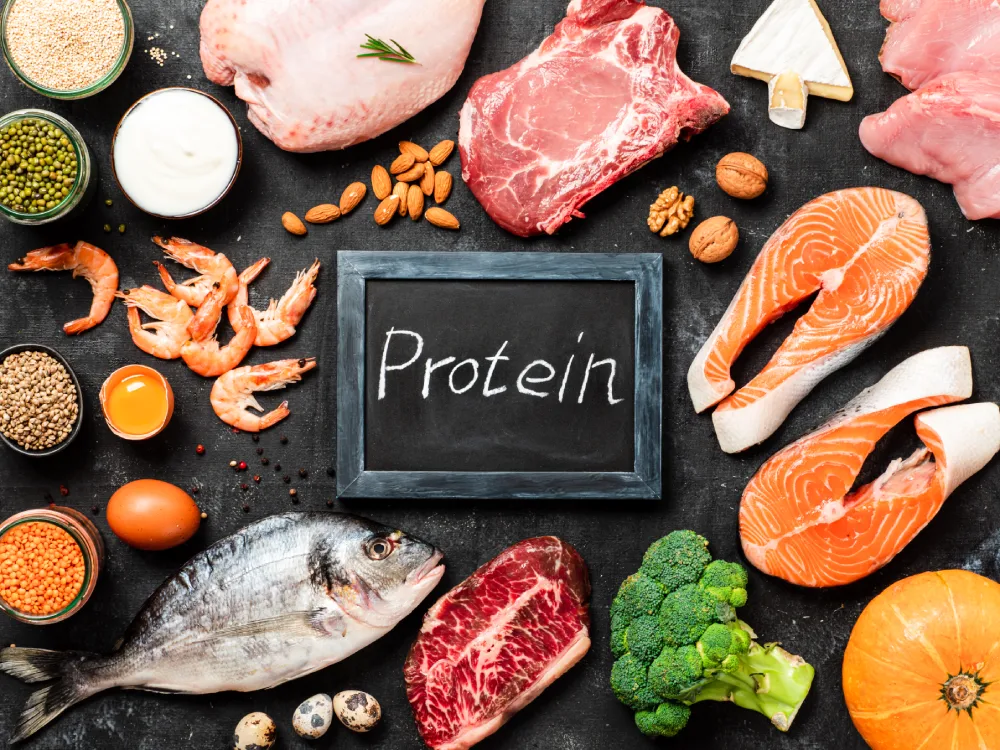
Weight Loss Smoothie Ideas That Taste Great and Support Fat Loss

A real weight loss smoothie should taste good enough that you look forward to drinking it. Not like punishment. The secret is simple. Protein, fiber, and healthy fats in every single smoothie. That is it. Do that and you will actually lose weight. Skip any of those three and you will be snacking by 10 AM.

Why Your Smoothies for Weight Loss Keep Failing

You have tried smoothies for weight loss before. I bet you felt great for twenty minutes. Then came the crash. The hunger. The craving for chips or toast.

Here is why. Fruit sugar hits your bloodstream fast. You get a rush, then a drop. That drop makes you hungry and tired. Not good for fat loss.

Also you probably skipped protein. A fruit smoothie has maybe 5 grams of protein. You need at least 20 grams to call it a meal. Without protein, your body burns muscle instead of fat. Less muscle means a slower metabolism. You do not want that.

And portion control? Most people pour a giant glass and call it healthy. That is 600 calories easy. Keep it between 300 and 450 calories

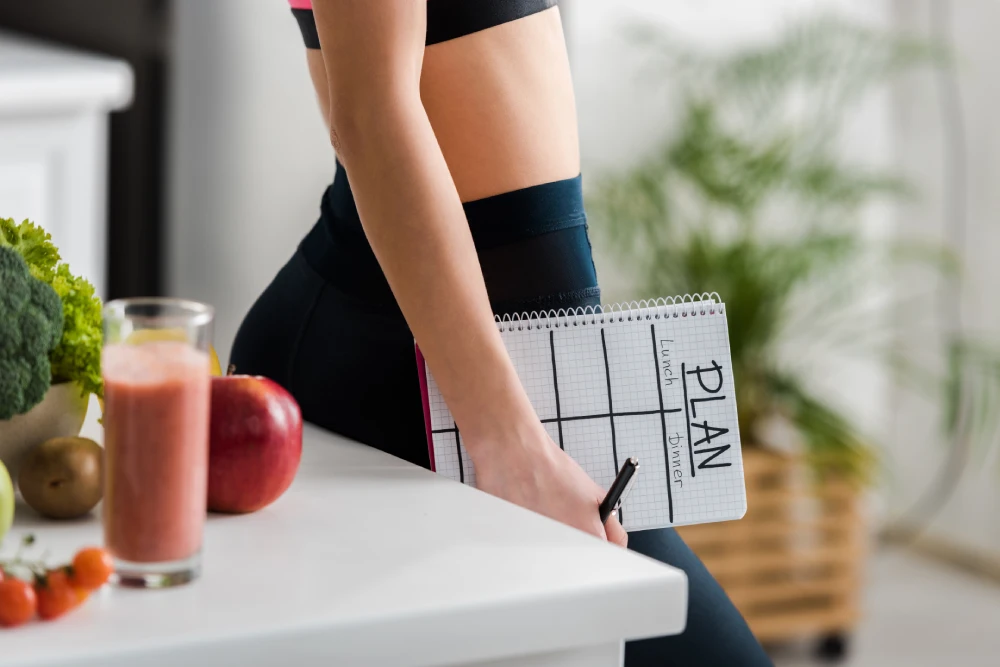
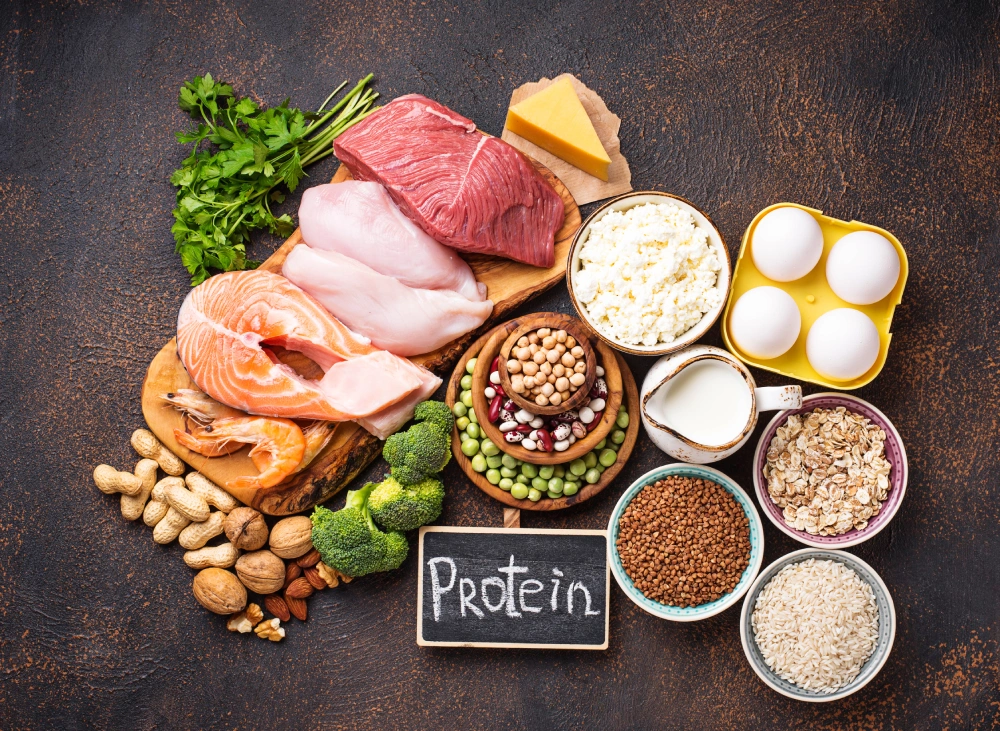
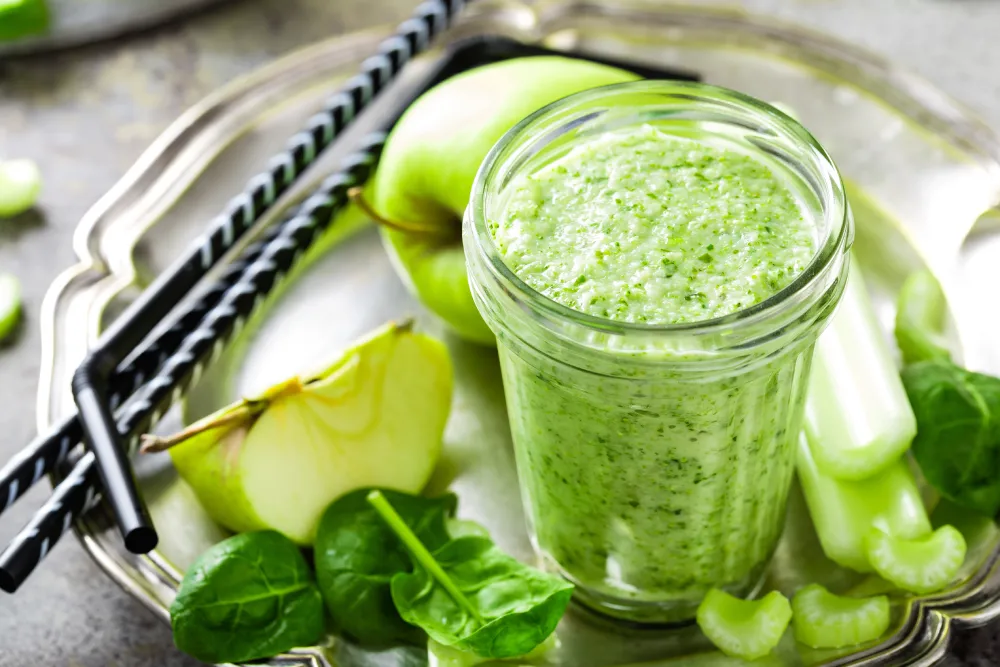
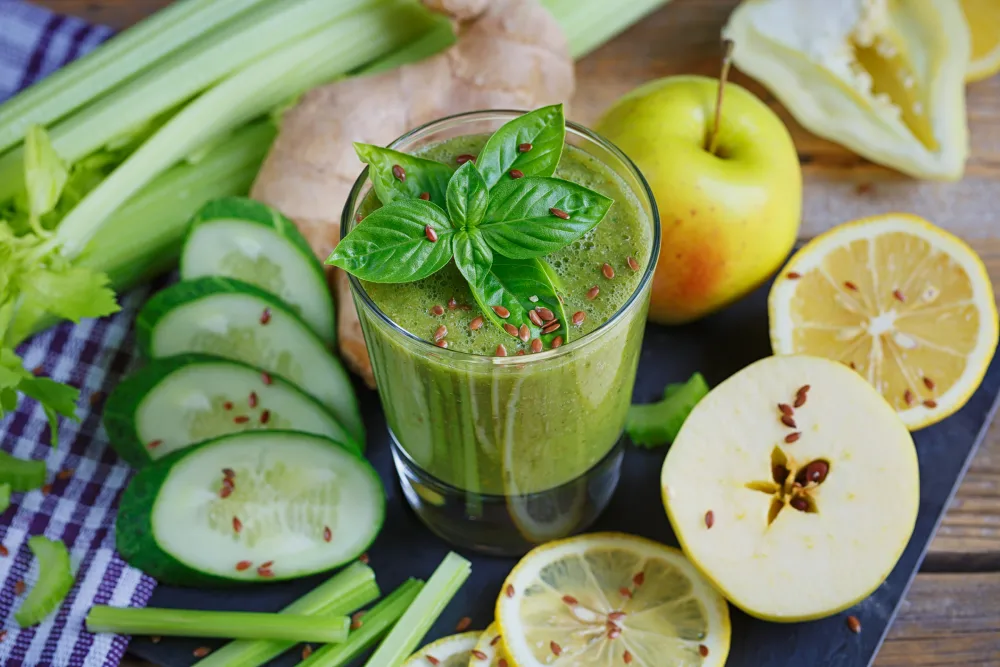
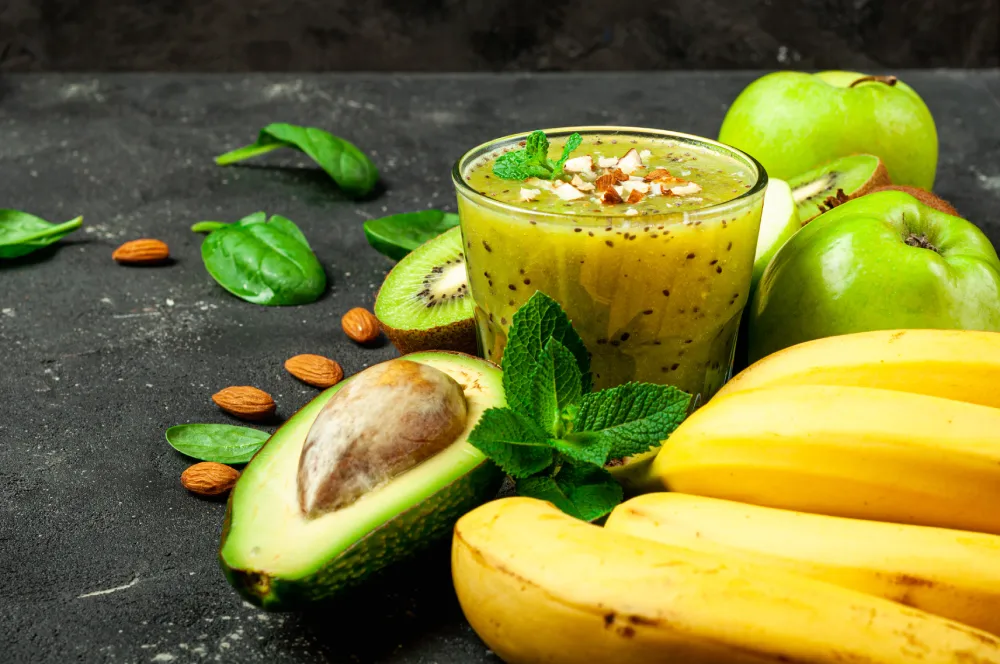
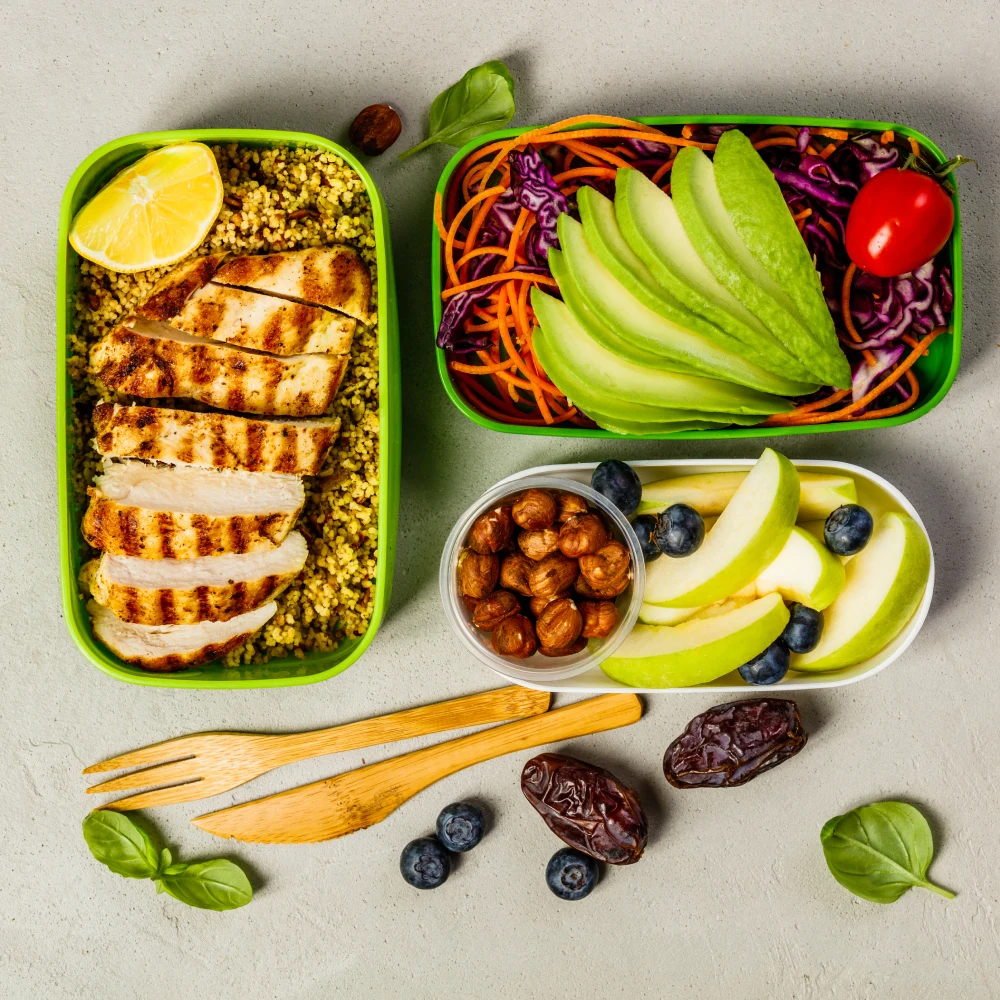
weight loss smoothie

How to Make Smoothies for Weight Loss in Ten Seconds

Learning how to make smoothies for weight loss is stupidly easy. Forget recipes. Use this formula every time.

Pick one from each line:

Liquid – 1 cup

Almond milk, coconut milk, green tea, or water

Protein – 20 to 30 grams

Greek yogurt, cottage cheese, protein powder, or silken tofu

Fiber – 1 to 2 handfuls

Spinach, kale, frozen cauliflower, chia seeds, or flaxseed meal

Healthy fat – 1 thumb size

Peanut butter, almond butter, avocado, or coconut oil

Fruit – 1 small handful

Berries, half a banana, or a few pineapple chunks

That is it. Every weight loss smoothie you make with this formula will help you burn fat. No exceptions.

Six Best Smoothie Recipes for Weight Loss

These are not fancy. They are not weird. They taste good and keep you full.

The Green One That Does Not Taste Like Grass

People hate green smoothie for weight loss. This one is different. Avocado makes it creamy. Cinnamon makes it sweet.

  • 1 cup almond milk
  • 1 scoop vanilla protein powder
  • 2 cups spinach
  • Quarter of an avocado
  • 1 tablespoon chia seeds
  • Sprinkle of cinnamon

Blend and drink. You will not taste the spinach.

The Berry Protein Shake You Will Crave

A good berry protein shake tastes like a treat but works like a fat burner. Use frozen berries.

  • 1 cup coconut milk
  • 1 scoop vanilla protein powder
  • 1 cup frozen mixed berries
  • 1 tablespoon flaxseed meal
  • Handful of spinach if you want

This berry protein shake kills sugar cravings dead.

The Oatmeal Smoothie for Weight Loss

Love oatmeal but no time to cook? This oatmeal smoothie for weight loss is your new best friend.

  • 1 cup almond milk
  • One third cup rolled oats
  • 1 scoop vanilla protein powder
  • Half a frozen banana
  • 1 tablespoon peanut butter
  • Half teaspoon cinnamon

Soak the oats in milk for five minutes before blending. Makes it smooth.

Low Sugar Fruit Smoothie Recipes for Weight Loss

Most fruit smoothie recipes for weight loss use way too much fruit. Not these.

Strawberry Lime

  • 1 cup green tea
  • 1 scoop unflavored protein powder
  • 1 cup frozen strawberries
  • Juice of half a lime
  • 1 cup spinach
  • 1 tablespoon chia seeds

Peach Ginger

  • 1 cup almond milk
  • 1 scoop vanilla protein powder
  • Half cup frozen peaches
  • 1 teaspoon fresh ginger
  • 1 cup frozen cauliflower rice
  • 1 tablespoon coconut oil

Green tea gives a little metabolism boost. Ginger helps with bloating.

The Protein Smoothie for Weight Loss Without Powder

This protein smoothie for weight loss uses Greek yogurt instead.

  • 1 cup almond milk
  • 1 cup plain Greek yogurt
  • Half cup frozen blueberries
  • 1 cup frozen zucchini
  • 1 tablespoon almond butter

Greek yogurt has casein protein. That digests slowly. Keeps you full for four or five hours.

The Detox Smoothie for Bloating

Do not believe detox tea scams. Your liver handles detox. But this drink helps with bloating. Ginger and lemon really work.

  • 1 cup water
  • 1 scoop unflavored protein powder
  • 2 cups kale
  • 1 small cucumber
  • Juice of half a lemon
  • 1 inch fresh ginger
  • 1 tablespoon flaxseed meal

Drink this when your stomach feels puffy. You will feel lighter within an hour.

Does a Weight Loss Smoothie Boost Your Metabolism?

People ask this all the time. Does drinking a weight loss smoothie actually speed up your metabolism? A little bit. Not magic. Here is the truth.

Green tea has EGCG. That slightly increases calorie burning. Ginger and cinnamon have a small warming effect. Protein takes more energy to digest than carbs or fat. So your body burns a few extra calories breaking down the smoothie.

Maybe 50 to 100 extra calories per day. That is half a pound of fat loss per month. Not huge. But every little bit helps.

The real metabolism booster is building muscle and moving your body. Smoothies are a tool. A good tool, but not a miracle.

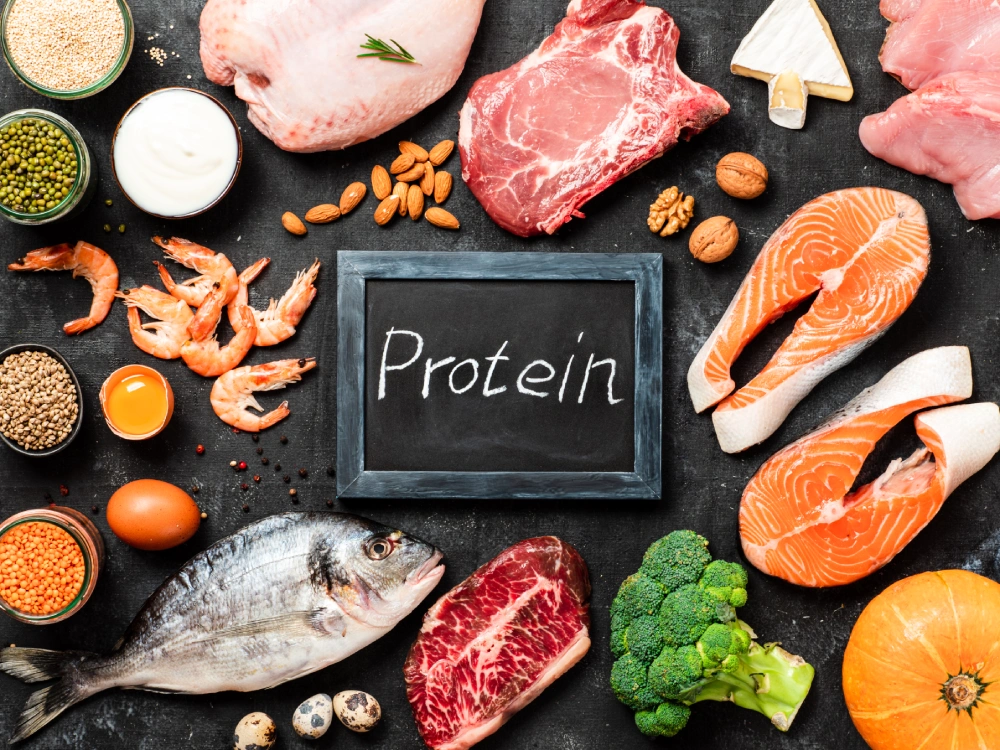
fruit smoothie recipes for weight loss

Portion Control and Timing

Portion control makes or breaks your results. You can drink the healthiest smoothie on earth. If it has 700 calories, you will gain weight.

Measure for the first week. After that you will know. A tablespoon of peanut butter is your thumb. Half a cup of berries fits in a small handful.

Also sip your smoothie slowly. Take ten or fifteen minutes. Do not chug it. That gives your stomach time to tell your brain you are full.

Conclusion:

You do not need twelve recipes. You do not need superfood powders. You just need the formula. Protein, fiber, healthy fats, a little fruit, one cup of liquid. That is how you build a weight loss smoothie that works.

Pick one recipe from above. Get the ingredients. Blend it tomorrow morning. Drink it slowly. See how you feel three hours later. No crash. No hunger. Just steady energy.

Your taste buds will change after a few days. What seems bland now will taste normal. Then sweet fruits will taste overwhelmingly sugary. That is when you know it is working.

Do this for two weeks. Replace one meal per day with a proper smoothie. Watch what happens to your cravings, your energy, and your body. You will be surprised by the weight loss smoothie.

Frequently Asked Questions

Can I replace two meals with a weight loss smoothie?

No. You will feel terrible. Replace one meal per day.

Are frozen fruits and vegetables okay?

Yes. Frozen is often better than fresh. Use them.

Do I need an expensive blender?

No. A thirty dollar blender works fine. Chop hard stuff smaller first.

How long can I store a weight loss smoothie?

Twelve hours max. After that it tastes bad. Make it a fresh weight loss smoothie.

Will smoothies make me gain weight?

Only if you drink too many calories. A weight loss smoothie from the formula above helps you lose. A 600 calorie sugar bomb makes you gain.

Can I use water as a base?

Yes. Add half an avocado to make it creamy.

What is the best protein powder for weight loss?

Whey isolate or plain plant powder. Less than three grams of sugar per serving. Unflavored is best.

Do I need ice?

Only if all your ingredients are fresh. Frozen fruit makes it cold on its own.

Is a weight loss smoothie good for dinner?

Yes. Add extra fat and fiber so you stay full all night. Full fat coconut milk and extra chia seeds.

Can I drink a weight loss smoothie while intermittent fasting?

Only during your eating window. No calories during the fasting window.

Night Shift Nutrition Guide: The Best Diet for Night Shift Workers in 2026

Working nights is hard. The body wants to sleep. The brain wants to shut down. But here is the thing. A few  small changes like diet for night shift workers can turn a miserable night into a manageable one. A good diet for night shift workers does not have to be complicated. It just has to make sense for a body for health goals.

Why the Body Gets Confused on Nights

The body runs on a clock, everything flips upside down. The body does not understand why food shows up at 3 AM. It gets confused. So it stores more fat. It makes less insulin. It holds onto calories like a squirrel getting ready for winter.

Night shift workers are not doing anything wrong. The body is just wired a certain way. So a diet for night shift workers has to work around that wiring. Fight smarter, not harder.

The Big Mistake Most Night Workers Make

Here is what usually happens. Someone wakes up at 4 PM. Messes around the house. Grabs a granola bar or skips food entirely. Runs out the door. Gets to work at 7 PM and is already hungry. So they eat a little something. Then another little something at 9 PM. Then a full meal at 11 PM. Then a snack at 1 AM. Then another snack at 3 AM. Then breakfast when the shift ends.

That is a lot of food spread across the whole night. And the body is not built to handle that.

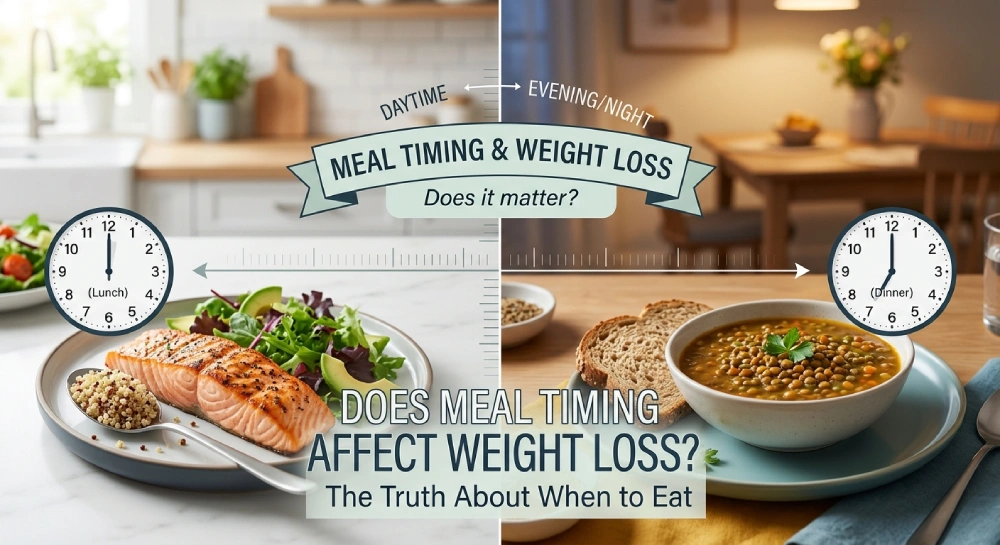
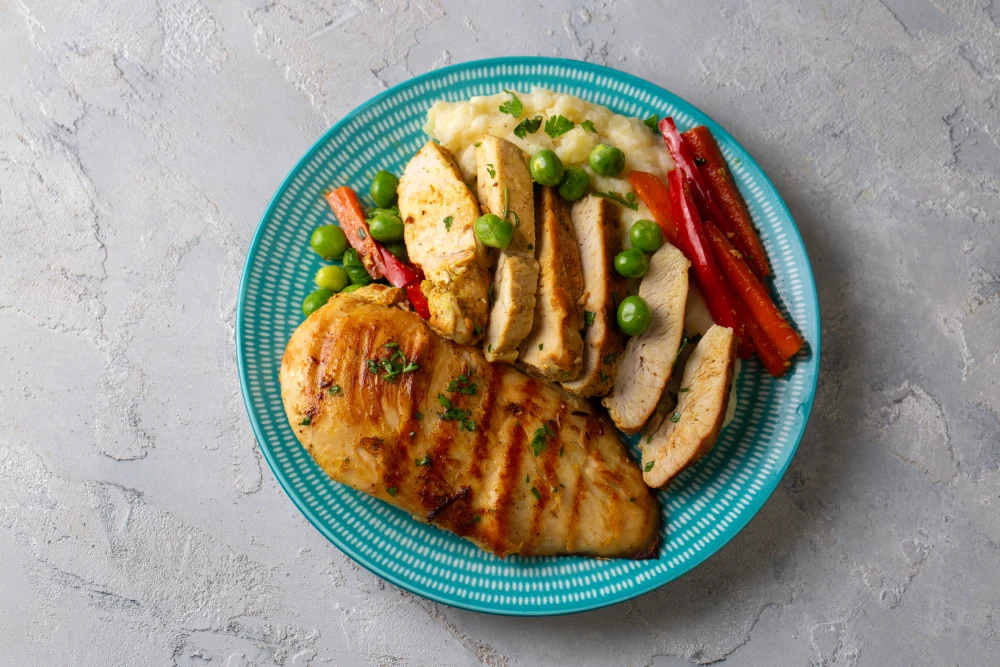
Flip it around. Eat one real meal before walking out the door. Make it count. Chicken and rice. Eggs and potatoes. A big bowl of pasta with meat sauce. That one meal fuels the first half of the shift. Then eat very little during the actual night hours. The body handles calories way better in the early evening than it does in the middle of the night.

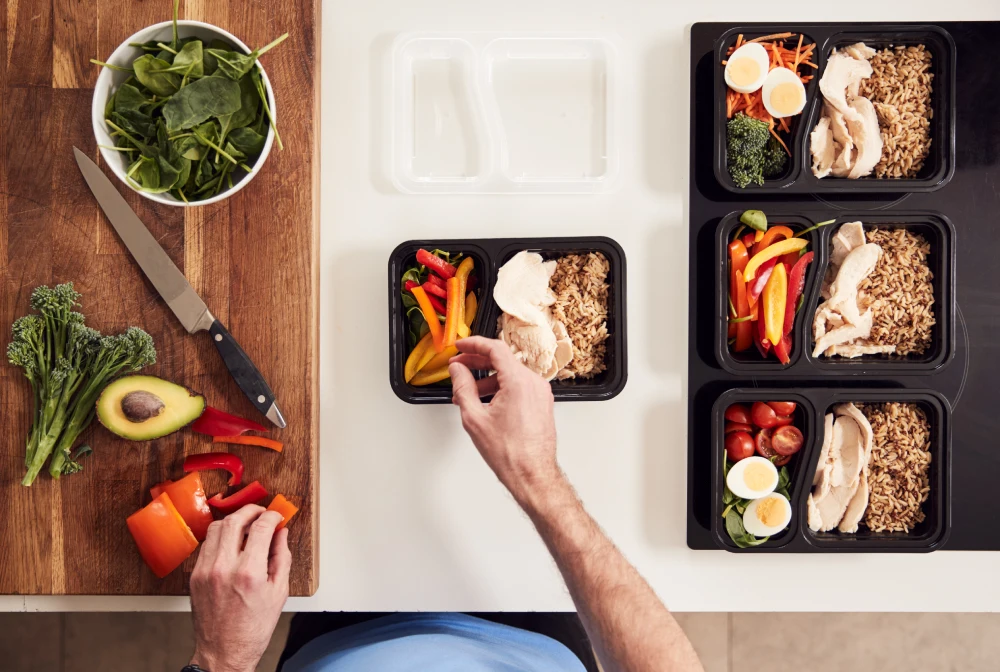
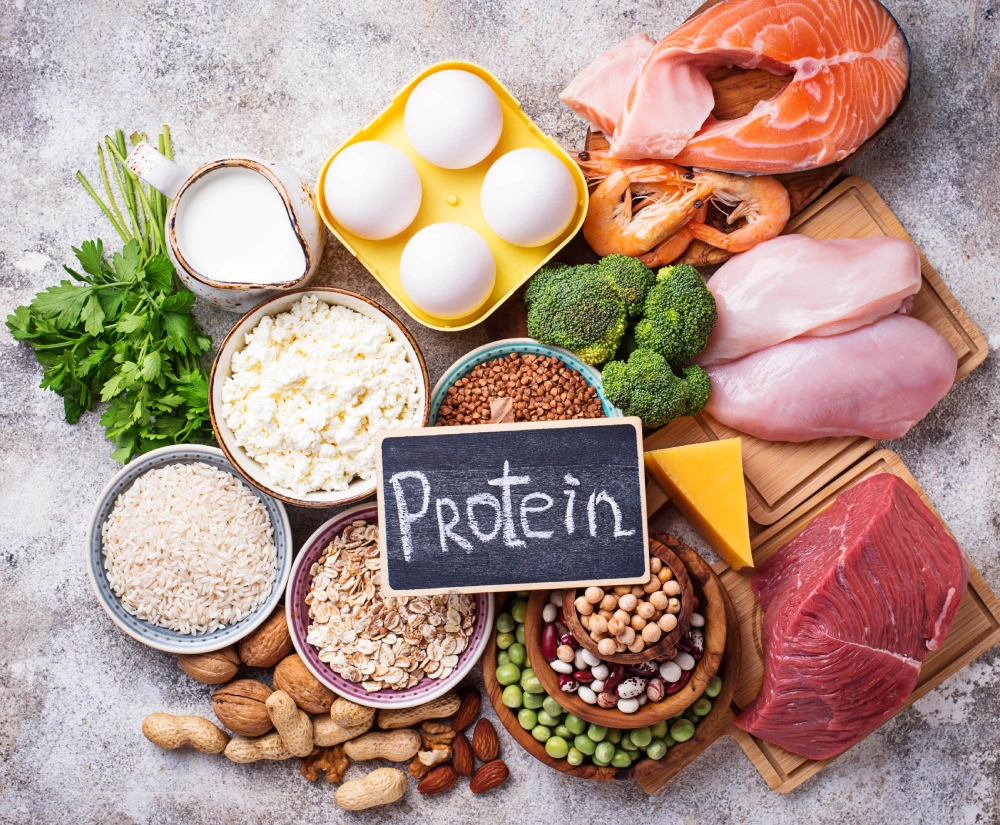
diet for night shift workers

What Protein Does for a Tired Brain

Protein is magic on the diet for night shift workers.

When the brain gets tired, it wants sugar. Sugar gives a quick boost. But that boost crashes hard thirty minutes later. Protein does the opposite. It takes longer to digest. It sends a slow, steady stream of fuel to the brain. No spike. No crash. Just steady energy.

Protein-rich snacks are the secret weapon. A hard-boiled egg. A handful of almonds. A small container of Greek yogurt. A piece of cheese. A few slices of turkey rolled up. These things fit in a lunch bag. They do not need to be heated up. They taste fine cold or at room temperature.

Pack two or three of these every single night. When hunger hits, reach for protein first. The body will thank an hour later when everyone else is crashing.

Carbs Are Not the Enemy of diet for night shift workers.

Some people say carbs are bad. Those people are wrong.

The body needs carbs for energy. The brain runs on glucose. Carbs provide glucose. The problem is not carbs. The problem is the wrong carbs at the wrong time.

Complex carbohydrates are the good guys. Oats. Brown rice. Quinoa. Sweet potatoes. Beans. Lentils. Whole grain bread. These foods release energy slowly. A bowl of oatmeal before a shift keeps a person alert until 2 AM easily.

Water Gets Forgotten on Nights

Simple carbs are the troublemakers. White bread. White rice. Regular pasta. Sugary cereal. Donuts. Muffins. Candy bars. Chips. These foods spike blood sugar fast. Then drop it even faster. That drop at 3 AM is brutal.

So here is a simple test. If the food looks like it came from a plant and is brown or orange or green, eat it. If the food is white and fluffy or comes in a crinkly wrapper, leave it alone.

People do not feel thirsty on night shifts. The thirst signal does not work as well when the sun is down. So the body gets dehydrated without sending up a red flag.

Dehydration feels like being tired. It feels like a headache. It feels like being unable to focus. Sound familiar? That is because half the time when a night worker feels awful, the real problem is just not enough water.

How to Handle Caffeine the Right Way

A cup of coffee at the start of the shift is a good friend. It wakes the brain up. It makes the first few hours feel easier. But that same coffee at 3 AM is a traitor. This is not healthy nutrition.

Stop caffeine six hours before the planned bedtime. For a shift that ends at 7 AM, that means no coffee after 1 AM. Switch to water after that time. The body will reward with better sleep.

The 2 AM Crash Is Avoidable

Everyone knows that feeling. The clock hits 2 AM. The eyes start to close. The head starts to nod. The body feels like it weighs a thousand pounds.

That crash happens because blood sugar drops. And blood sugar drops because of what got eaten earlier.

Blood sugar fluctuations are the real enemy on night shifts. Sugary foods spike blood sugar. The body releases insulin to bring it back down. But it overcorrects. So blood sugar drops lower than before. That low point is the crash.

The fix is simple. Every time a carb gets eaten, a protein or a fat needs to come with it.

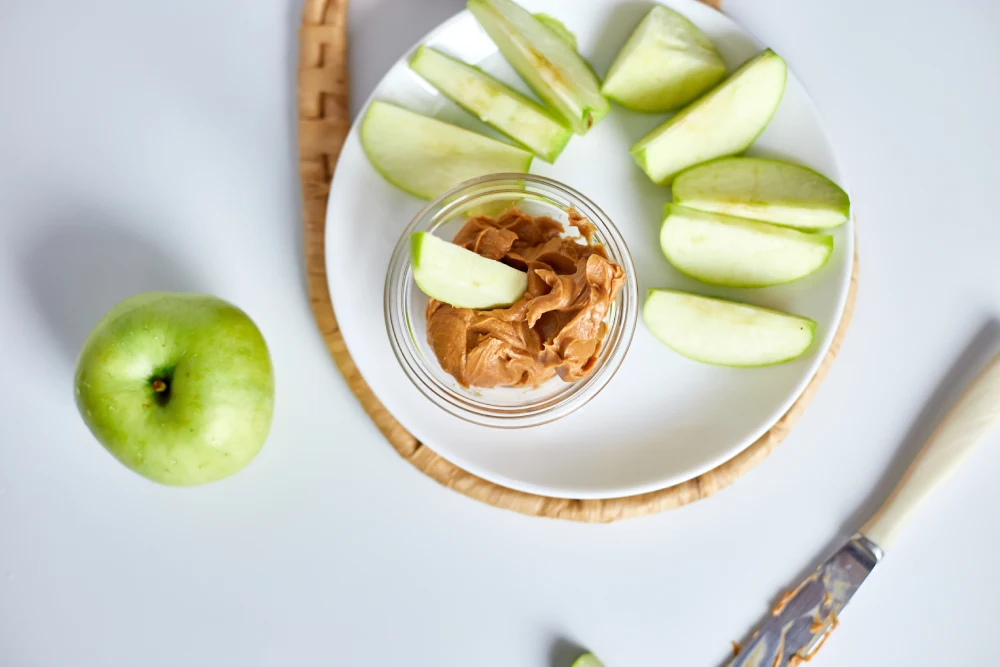
An apple by itself causes a spike. An apple with peanut butter keeps things steady. Crackers alone cause a crash. Crackers with cheese give hours of energy. A banana alone fades fast. A banana with a handful of walnuts lasts.

That one rule fixes most night shift eating problems. Pair carbs with protein. Every single time.

What to Eat After the Shift Ends

The shift ends. The sun is coming up. The body is tired but also hungry. Now what?

Do not eat a big breakfast. That is a trap. A big meal right before bed raises body temperature. It keeps digestion active. Both of those things destroy deep sleep.

Eat something very small instead. A smoothie with protein powder. A couple of scrambled eggs. A small bowl of soup. A banana with almond butter. A piece of toast with an egg on top. Nothing heavy. Nothing greasy. Nothing that takes a long time to digest.

Then get to bed within the hour. That timing makes a huge difference. Eating too close to sleep disrupts rest. Waiting too long leaves the body running on empty. The sweet spot is about forty five minutes before closing the eyes.

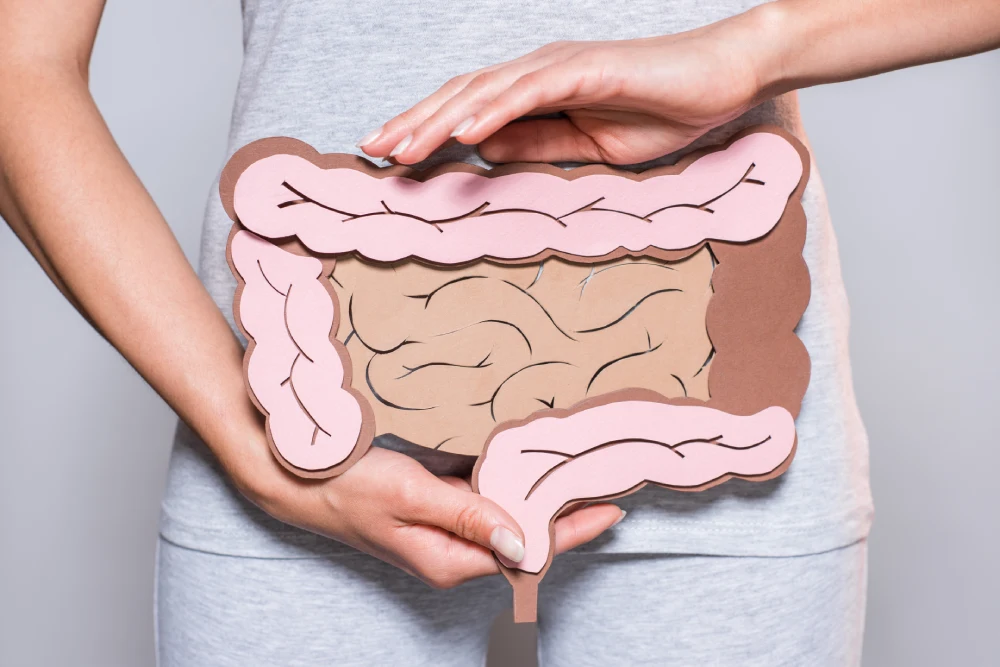
complex carbohydrates

Sleep Is Part of the Nutrition Plan

Sleep recovery does not sound like nutrition advice. But it is. Because no diet for night shift workers works if sleep is a disaster.

The bedroom needs to be a cave. Completely dark. Blackout curtains or a sleep mask. A white noise machine or a fan to block out daytime noises. The phone needs to stay in another room. Not on the nightstand. Not under the pillow. Another room entirely.

Long-term dietary requirements depends on sleep as much as food. A person can eat perfectly and still get sick if sleep is broken night after night. Protect sleep like it is part of the job. Because it is.

Rotating Schedules Are the Hardest

Rotating schedules are a whole different beast. Two weeks on nights. One week on days. Back to nights again. The body never really knows what time it is.

Here is the honest truth. There is no perfect answer for rotating schedules. The best approach is to eat the big meal before the first shift of each rotation. Keep snacks consistent. And accept that the first couple of days of every rotation will be rough.

The body takes about three days to shift the internal clock. Give it grace during that time. Eat clean. Drink water. Go easy on the self criticism.

Frequently Asked Questions

What is the best diet for night shift workers to avoid gaining weight?

Eat the largest meal before the shift starts, reach for protein-rich snacks instead of sugary options, and stop eating heavy foods after 2 AM is the diet for night shift workers.

How many times should night shift workers eat during a twelve hour shift?

Night shift workers should eat one small meal and two protein-rich snacks during a twelve hour shift.

Is drinking coffee safe for people working the night shift?

Coffee is perfectly safe but drink it only during the first half of the shift and stop all caffeine at least six hours before bedtime to protect sleep quality.

Do complex carbohydrates really help a person stay alert during night shifts?

Yes, complex carbohydrates like oats, quinoa, and sweet potatoes release energy slowly over six to eight hours.

How much water should a night shift worker drink during one complete shift?

Night shift workers should drink at least eighty to one hundred ounces of water during a twelve hour shift or about one large cup every two hours without fail.

Can night shift workers try intermittent fasting without hurting their health?

Intermittent fasting is not recommended for night shift workers because eating a small amount every three to four hours keeps blood sugar stable.

How should nutrition change for workers who switch between nights and days every week?

On rotating schedules eat the anchor meal before the first shift of each new rotation.

What is the best diet for night shift workers.?

A small meal of protein like scrambled eggs or a protein smoothie with a banana eaten one hour before bed supports sleep recovery.

How Sports Nutrition Can Transform Your Strength and Recovery

Sports nutrition is one of those things that does not feel important at first, but once it is actually understood and applied, everything about training starts to change. the body starts feeling more stable, energy does not crash the same way, and recovery becomes noticeably faster. It is not magic, it is just the body finally getting the right fuel at the right time.

Most people think it is just “eating healthy,” but it is more than that. It is actually about timing, balance, and understanding what the body is doing before and after training. Once that clicks, food stops being random and starts working like a system that supports performance.

Why sport nutrition changes everything without people noticing at first

sports nutrition does not change the body overnight. It changes small things first, and those small things slowly turn into big results.

like this:

  • workouts stop feeling like a struggle halfway through
  • energy does not suddenly drop for no reason
  • soreness does not stay in the body for days
  • strength starts improving more steadily

What is really happening is simple. The body is no longer being under-fueled. It is finally getting enough energy to perform and enough nutrients to recover properly.

sports nutrition dubai

How sports nutrition actually works in a normal day

It becomes real when it is not treated like a diet, but like a daily rhythm.

the body basically moves through different phases in a day:

  • it wakes up and needs energy
  • it moves through work or activity and needs fuel
  • it trains and needs performance support
  • it recovers and needs repair

so food is just matching those phases.

for example:

  • morning = energy reset
  • midday = strength and fuel
  • before workout = light energy boost
  • after workout = recovery and repair
  • night = healing and rebuilding

That is all sports nutrition really is in daily life.

nothing extreme, nothing complicated.

How an athlete meal plan actually feels in real life

An athlete’s meal plan sounds strict, but in reality it is just structure so the body is not guessing all day. It usually feels like this:In the morning, the body wants something steady, not heavy. So something like oats, eggs, or fruit gives that slow energy start.

During the day, the body needs proper fuel. so rice, chicken, vegetables, or potatoes come in to keep energy stable.

Carb loading explained

Carb loading is one of those things that sounds complicated but is actually very simple in practice. It is basically this: eat more carbohydrates before a big effort so the body stores extra energy.

That stored energy is what gets used during long or intense activity. So instead of running out of fuel halfway, the body already has extra stored power ready to go.

this is usually done before:

  • long runs
  • competitions
  • heavy training periods

so carb loading is just “fill up before you go hard.”

Sports nutrition dubai and why environment actually matters

Sports nutrition Dubai has its own style because the weather changes everything about how the body behaves.

When it is hot, the body loses water faster, energy drops quicker, and fatigue shows up earlier.

so the focus becomes very simple:

  • drink more water throughout the day
  • replace lost minerals through electrolytes
  • eat lighter meals that do not slow the body down
  • keep energy steady instead of heavy spikes

It is less about eating more and more about eating smart so the body does not burn out in heat.

Why potato carbohydrates keep showing up 

It always comes back to carbohydrates because they are the main energy source and potato carbohydrates are one of the simplest and most effective versions of that fuel.

They matter because:

  • they give fast energy when the body needs it
  • they refill muscle energy stores quickly
  • they are easy to digest, even after training
  • they support muscle function naturally

They are not fancy, but they are reliable. and in nutrition, reliability matters more than anything.

athlete meal plan

Recovery is where everything actually gets built

Training is just the stress part. Recovery is where the improvement actually happens. After training, the body is in a depleted state:

  • energy is low
  • muscles are slightly damaged
  • hydration is reduced
  • strength feels temporarily lower

This is where sports nutrition steps in and fixes everything.

what the body needs here is simple:

  • protein to rebuild muscle
  • carbohydrates to refill energy
  • water to rehydrate
  • minerals to restore balance

when this is done properly, the next workout does not feel like starting from zero. It feels like continuing progress.

Without recovery nutrition, progress slows down even if training is strong.

Sports nutrition in a simple daily flow

TimeWhat the body feelsWhat helps
Morningempty, restartingsteady fuel
Middayactive, movingfull balanced meals
Pre workoutpreparinglight energy
Post workouttired, drainedrecovery food
Nightrepairinglight nutrition

Nutrition is just matching food with what is happening inside the body.

Conclusion

Sports nutrition is not something complicated that only athletes understand. It is actually very simple when it is seen in real life. It is just about feeding the body in a way that matches effort. It is a long-term way of keeping the body performing at its best every day.

Frequently Asked Questions

What is sports nutrition?

It is just eating in a way that supports training and recovery. It means giving the body the right fuel at the right time so it can perform better and recover faster without feeling drained all the time.

Why does sports nutrition actually matter so much?

Nutrition matters because the body runs on fuel. When fuel is correct, energy stays stable, workouts feel easier, and recovery happens faster. When fuel is poor, everything feels harder.

How does an athlete meal plan work in real life?

An athlete meal plan works by organizing food through the day so energy is always available. It removes confusion and keeps the body supported before training and after recovery.

What is carb loading in simple terms?

Carb loading means eating more carbohydrates before heavy activity so the body stores extra energy. This helps avoid fatigue and improves endurance during performance.

Why are potato carbohydrates useful for athletes?

Potato carbohydrates are useful because they give quick energy, are easy to digest, and help refill muscle energy stores efficiently after training or activity.

How does sports nutrition help recovery?

It helps recovery by giving the body protein for muscle repair and carbohydrates for energy refill. This reduces soreness and speeds up recovery time.

What foods are usually part of sports nutrition?

It usually includes oats, rice, chicken, eggs, vegetables, fruits, yogurt, and potatoes because they provide balanced energy and recovery support.

How is nutrition dubai different?

Sports nutrition dubai focuses more on hydration and electrolyte balance because of hot weather. Lighter meals and consistent fluid intake are more important there.

Can beginners follow nutrition easily?

Yes, beginners can follow nutrition easily because it is based on simple habits like balanced meals, proper timing, and consistency.

How often should nutrition be followed?

It should be followed daily because the body needs constant fuel for training, recovery, and overall performance improvement.

Best Athlete Diet Plan for Faster Recovery, Strength & Endurance in Hot Climates

An athlete diet plan is basically just how an athlete eats every single day so the body keeps working properly, stays strong, and recovers after training.

Nothing complicated. Just food, water, timing… all working together.

Now in hot weather, everything becomes harder. The body starts sweating more, water keeps dropping, energy goes down faster, and even normal training starts feeling heavy.

That’s exactly why a proper athlete food plan​ matters so much in heat. Because here, food is not just food anymore… it is fuel, recovery, and protection for the body all at once.

And the main idea is very simple: keep the body from running out of energy.

How an Athlete Diet Plan Actually Works (Simple Way)

Think about it like a cycle.

Train → body gets tired → eat → body gets repaired → sleep → repeat.

That’s it.

A good athlete diet plan just keeps this cycle smooth so nothing breaks down.

When it’s working properly, you feel it like this:

  • Energy stays steady, not going up and down
  • Training doesn’t feel like a struggle every time
  • Recovery doesn’t take too long
  • Body doesn’t feel completely drained at the end of the day

It’s not about eating perfect food. It’s about eating smart, again and again.

cycling diet plan

Hot Weather Changes Everything

Now this is where things really shift.

In heat, the body is constantly trying to cool down. So sweat increases, water goes out fast, and energy drops quicker than expected.

So a normal eating routine just doesn’t work.

A proper athlete diet plan in hot weather naturally becomes like this:

  • Drinking water again and again, all day
  • Eating lighter before training so body doesn’t feel heavy
  • Choosing foods that feel fresh and easy
  • Replacing salt and minerals lost through sweat

Simply put… in heat, the athlete diet plan is less about heavy food and more about keeping the body cool, hydrated, and balanced.

What Athletes Actually Eat Every Day

A real athlete diet plan always comes back to basic, simple food.

Like:

  • Rice, oats, bread for steady energy that lasts
  • Bananas, oranges, watermelon
  • Eggs, chicken, fish and lentils 
  • Coconut water for natural recovery and minerals

That’s really it.

Nothing fancy. Nothing extreme. Just real food the body knows how to use.

Hydration is Everything (Seriously)

If there is one thing that controls performance… it is water.

Even the best athlete diet plan becomes useless if hydration is low.

In hot weather:

  • Water should be taken again and again, not just when thirsty
  • Small sips during training work better than waiting till the end
  • After heavy sweating, salt and minerals must go back into the body
  • Coconut water or natural drinks help bring balance quickly

Because the moment water drops, everything drops… energy, strength, focus, everything.

That’s why hydration is not “extra”… it is the base of any diet plan.

Before Training and After Training Eating

This is where most people either improve fast… or struggle.

Before training:

Keep it light. Always.

  • Just enough carbs for energy
  • Easy food that digests fast
  • No oily or heavy athlete meal plan

Because nobody performs well with a full heavy stomach.

After training:

Now the body needs repair mode.

  • Protein starts fixing muscles
  • Carbs refill energy stores
  • Fluids bring everything back to normal

A proper athlete diet plan always respects this timing. This is where real progress actually happens.

Endurance Sports Nutrition Like Cycling

For long training, the goal is simple… don’t run out of fuel.

In a fuel for cycling athlete diet plan:

  • Bananas help when energy suddenly drops
  • Light snacks keep fuel going
  • Water is taken again and again during ride
  • Small carb intake prevents energy crash

It’s not about eating a lot but it’s about never hitting an empty on cycling diet plan.

Whole Foods Diet Always Win

The body always responds better to real food.

A strong diet plan naturally avoids junk and processed food.

Instead:

  • Fresh vegetables daily
  • Seasonal fruits
  • Home cooked meals
  • Simple snacks instead of packaged stuff

Because when food is clean, everything works better:
energy, digestion, recovery, everything.

Carbs Are the Main Fuel

Carbs are not something to fear.

They are literally the main energy source.

A proper athlete diet plan always includes carbs because:

  • They power workouts
  • They support endurance
  • They prevent early fatigue

Simple sources:

  • Rice for long energy
  • Oats for morning fuel
  • Potatoes for strength
  • Fruits for quick energy

Without carbs, the body just runs out of fuel too fast.

Plant-Based Foods Also Help a Lot

Not everything needs to be heavy meat-based food.

A balanced athlete diet plan can also include:

  • Lentils and beans for protein
  • Nuts and seeds for energy
  • vega plant based protein forrecovery
  • Plant protein when needed

This keeps the body lighter, digestion easier, and recovery smoother.

Common Mistakes That Kill Performance

Even a good athlete diet plan stops working if basics are ignored.

Most common mistakes:

  • Skipping meals before training
  • Not drinking enough water
  • Eating heavy food before workouts
  • Ignoring recovery meals
  • Depending too much on energy drinks

Fixing even these alone can change performance a lot.

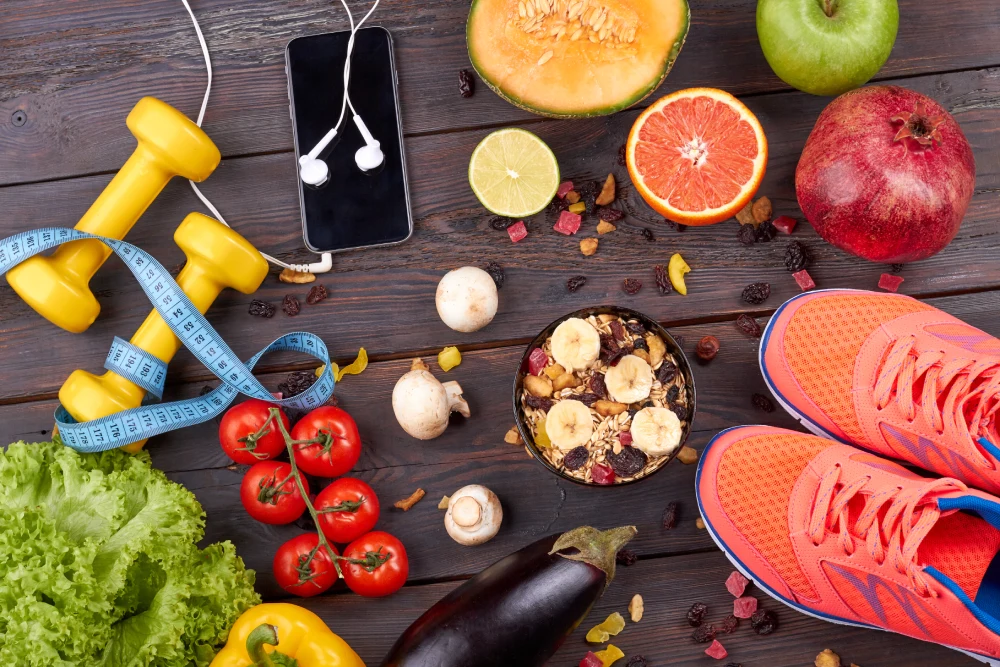
athlete diet plan

Simple Daily Flow (Real Life Version)

A realistic athlete diet plan looks like this:

  • Morning: oats + fruit for steady energy
  • Midday: rice + protein + vegetables for strength
  • Before training: banana or light snack
  • After training: protein + carbs for recovery
  • Night: light meal so body can rest

Simple. Repeatable. No confusion.

Conclusion

At the end of the day, a good athlete diet plan is not about strict rules or complicated diets.

It’s just:

  • Eating simple food
  • Drinking enough water
  • Timing meals properly
  • Recovering after training

In hot weather especially, these small things become very powerful.

Because when the body is properly fueled and hydrated, everything changes… energy stays up, performance improves, and recovery becomes much faster.

That’s really what a strong plan does… it just keeps the body ready, every single day, without burning out.

Frequently Asked Questions

What exactly is an athlete diet plan?

An athlete diet plan is simply a daily way of eating that keeps energy stable, supports training, and helps the body recover faster.

Why does an athlete diet plan change in hot climates?

Because in heat the body loses more water and minerals through sweat, so the athlete diet plan must focus more on hydration.

What should be eaten before training in a plan?

Before training, light foods like bananas, oats, or fruits work best because they give quick energy without making the body feel heavy or slow during exercise.

How important is water in a diet plan?

Water is extremely important because even slight dehydration can reduce strength, focus, and endurance, especially in hot weather training.

Can plant-based foods support an athlete plan?

Yes, plant-based foods like lentils, beans, nuts, and seeds can fully support energy, muscle repair, and recovery when eaten in the right combinations.

What foods should be avoided in an athlete’s diet?

Processed foods, fried items, sugary drinks, and fast food should be avoided because they slow digestion, reduce energy stability, and delay recovery.

How many meals should an athlete eat in a day?

Most athletes perform better with 4 to 6 small meals a day because it keeps energy stable.

Why are carbohydrates important in a diet plan?

Carbohydrates are the main energy source for the body, helping fuel training sessions and preventing early fatigue.

What is the biggest mistake athletes make in their diet?

The biggest mistake is ignoring hydration and skipping recovery meals, which leads to low energy  and slow muscle recovery.

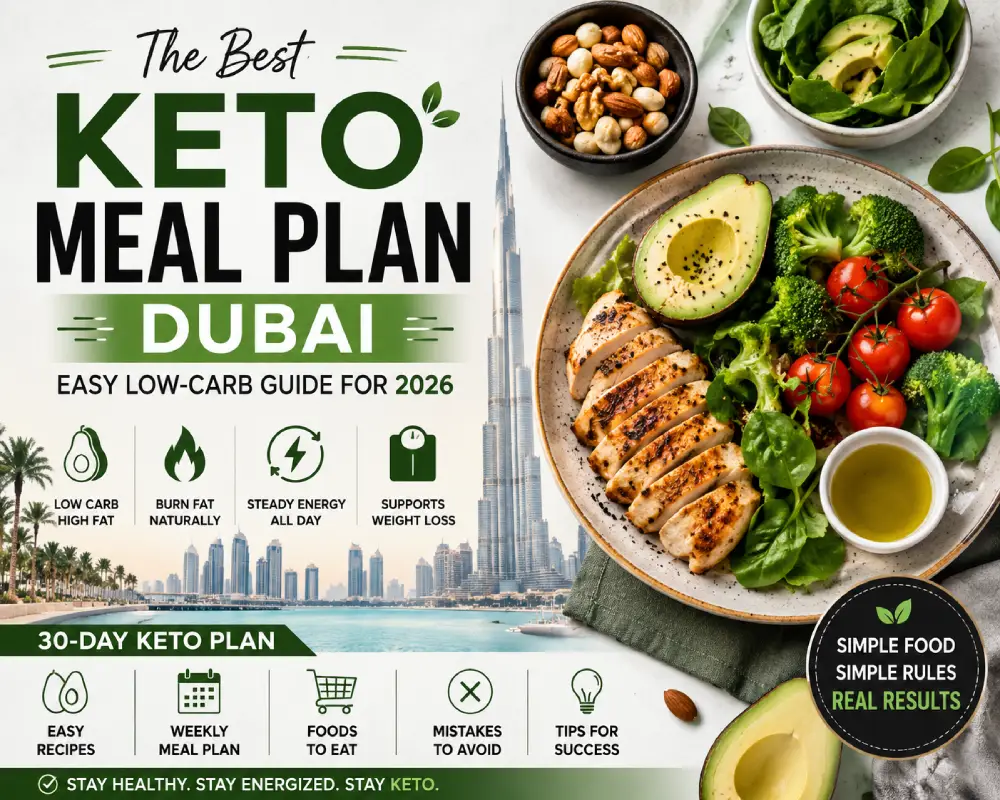
Ketogenic Diet Meal Plan for Fast Weight Loss (Simple 7-Day Plan)

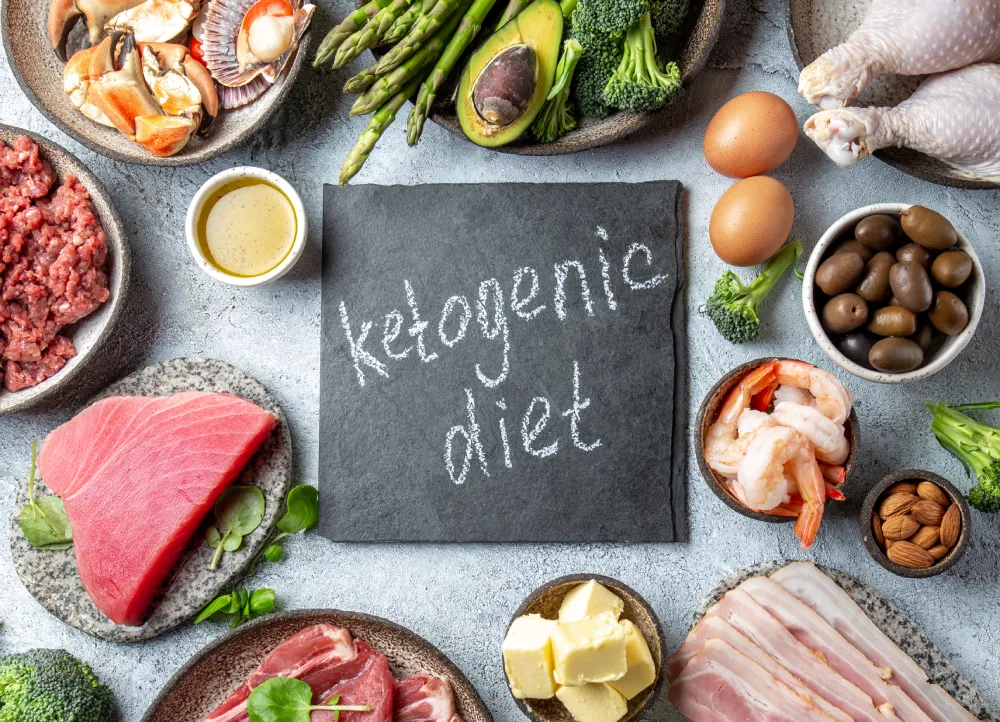
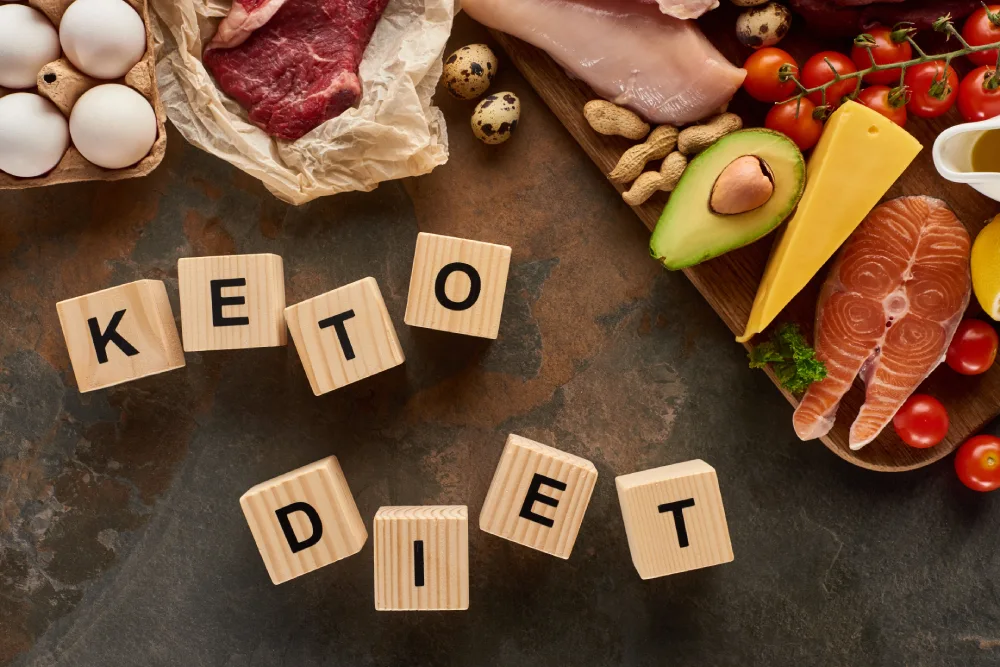
Ketogenic Diet is basically a way of eating where carbs are kept very low, fats are increased, and protein is kept at a normal balanced level. The main idea is very simple, instead of the body running on sugar from rice, bread, and sweets, it slowly starts running on stored fat for energy. That state is called ketosis.

When that shift happens, the body starts changing the way it works. Hunger goes down, energy becomes more stable, and fat burning becomes more consistent. That is why the Ketogenic Diet is widely used for weight loss.

How this really works in the body

To make it simple, the body always needs energy. Normally it gets energy from carbs. But when carbs are reduced:

  • The body first uses up stored sugar
  • Then it starts looking for another fuel source
  • Finally, it starts burning stored fat

That is the whole idea behind Ketogenic Diet. Nothing complicated, just a fuel switch in the body.

Simple 7 day meal idea (no confusion)

No need for fancy recipes. Just simple foods that are easy to repeat every day.

Morning meals

  • Eggs cooked in butter with avocado
  • Omelet with cheese
  • Boiled eggs with a few nuts

Afternoon meals

  • Grilled chicken with salad
  • Tuna with leafy vegetables
  • Beef or chicken with cooked greens

Evening meals

  • Fish like salmon with broccoli or spinach
  • Chicken with vegetables
  • Minced meat with cauliflower rice

Small snacks

  • Almonds or walnuts
  • Cheese cubes
  • Boiled eggs

This simple structure keeps Ketogenic Diet easy to follow without stress.

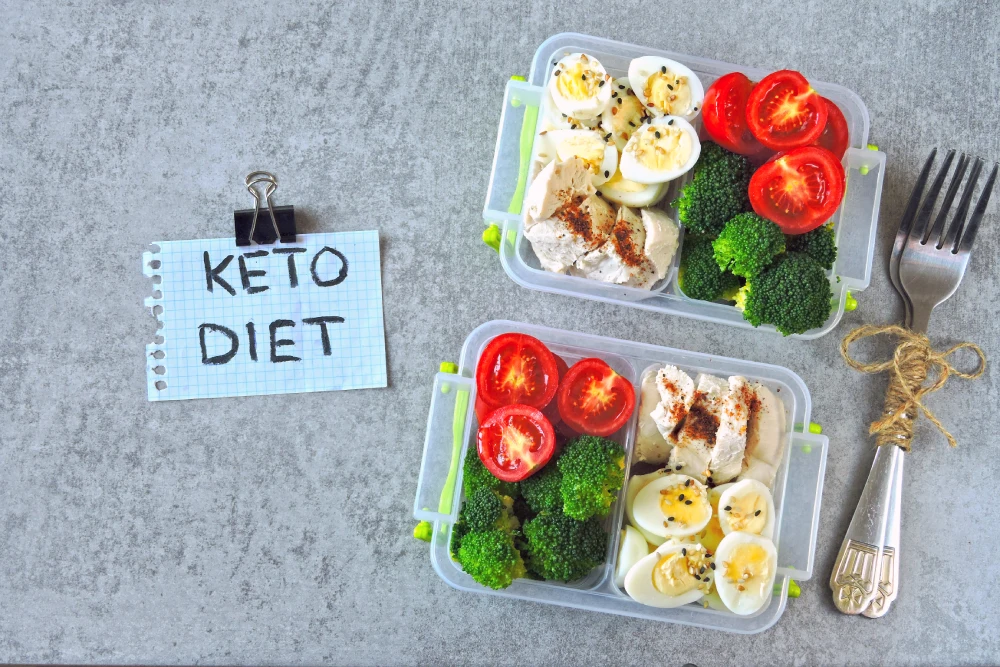
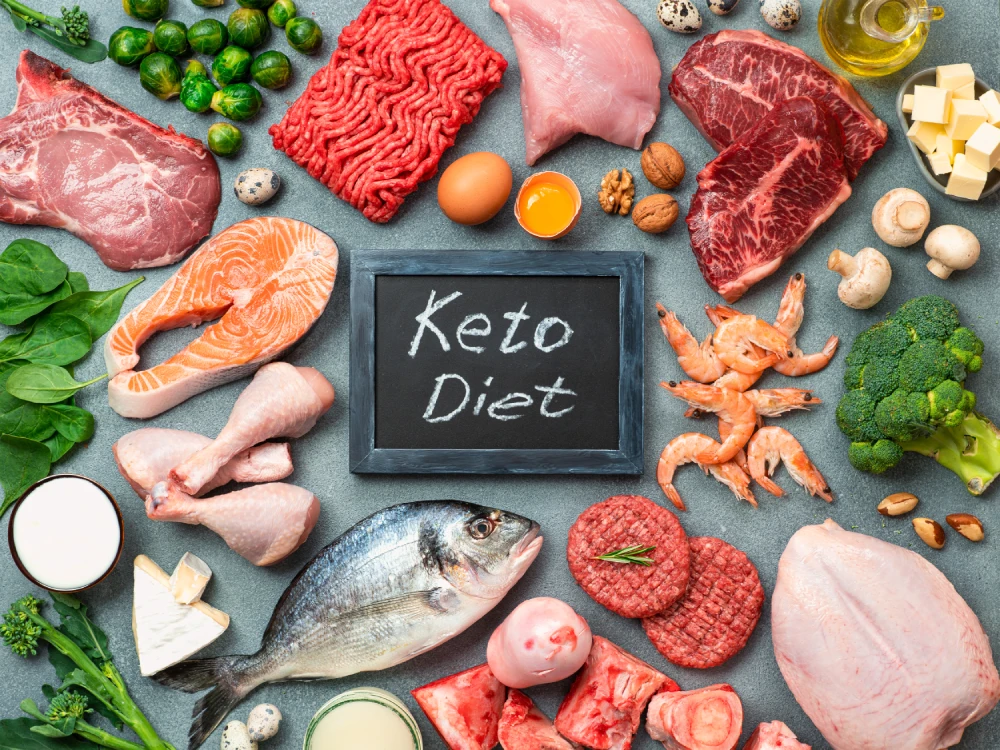
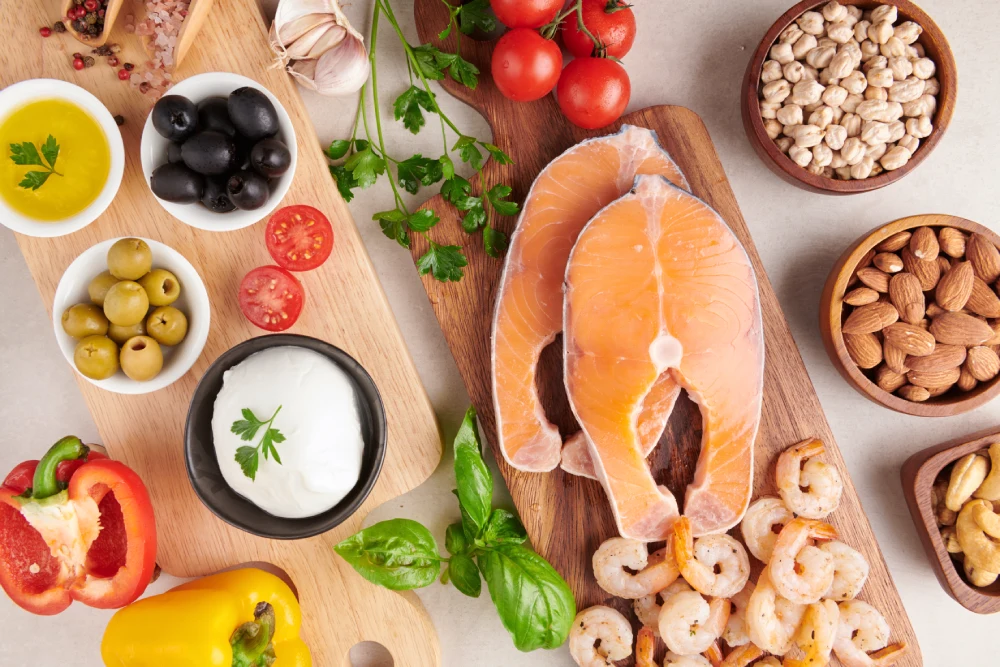
Keto meal plan Dubai

What foods actually matter here

It all comes down to choosing the right food most of the time.

  • Eggs for full nutrition facts and fullness
  • Chicken, fish, and meat for lean protein sources
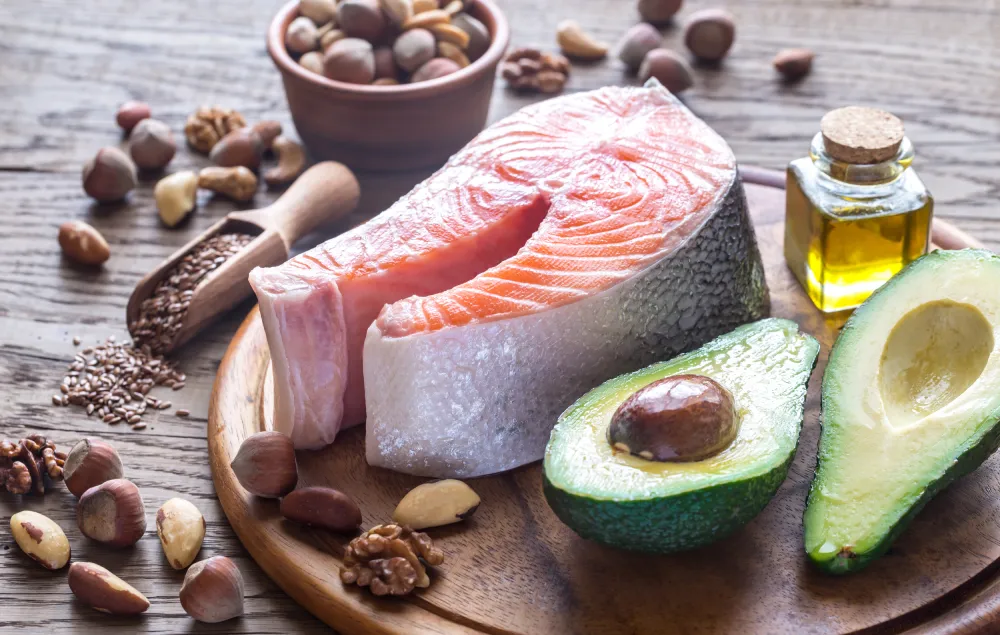
  • Avocados for healthy fats
  • Olive oil and butter for cooking
  • Green vegetables for digestion

These foods are the base of the Ketogenic Diet because they keep the body in fat-burning mode.

Why protein still plays a big role

Even though fats are higher in this plan, protein is still important.

Protein helps:

  • Keep muscles strong
  • Reduce hunger
  • Support body strength
  • Make meals more satisfying

Without enough protein, the body can feel weak even on a Ketogenic Diet.

Vegetarian meal plans also works

Yes, it can be done without meat too.

  • Paneer and tofu for protein
  • Nuts and seeds for fats
  • Coconut oil and olive oil for energy
  • Low carb vegetables like spinach and broccoli

As long as carbs stay low, Ketogenic Diet can still work for vegetarians.

Why weight loss actually happens

There is no magic here, just a simple body change.

  • Body stops depending on sugar
  • Starts using stored fat
  • Hunger naturally reduces
  • Cravings for junk food go down

That is why the Ketogenic Diet works for many people who struggle with regular diets.

Everyday life support makes it easier

Not everyone has time to cook all meals, and that is normal.

  • Keto meal plan Dubai services give ready meals
  • Keto diet delivery helps save time
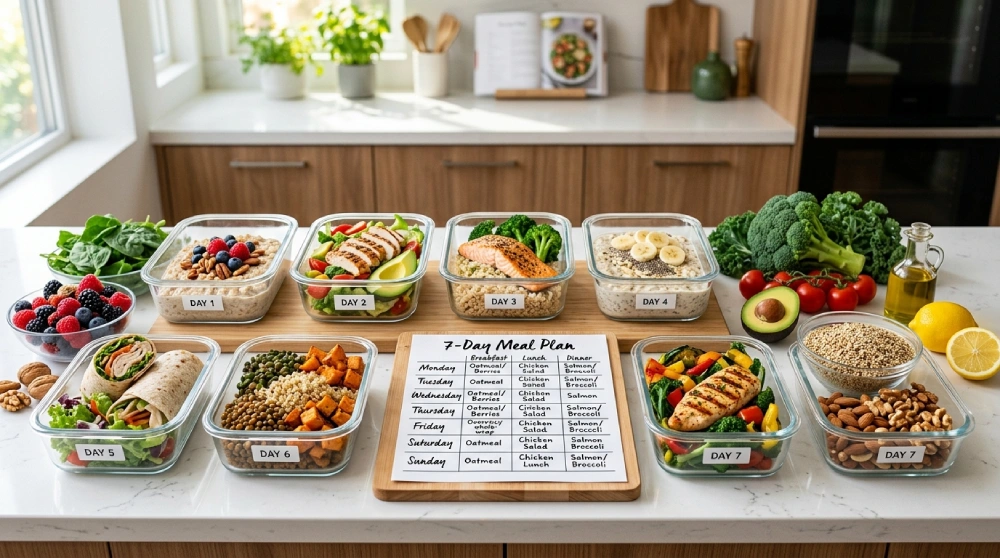
  • Meal prep at home keeps things organized

These options make the Ketogenic Diet easier to maintain in a busy routine.

High fat diet does not mean unhealthy food

High fat here does not mean fast food or junk.

It means good fats like:

  • Avocados
  • Nuts
  • Olive oil
  • Fish
  • Butter in small amounts

These fats give energy and help the body stay in fat-burning mode.

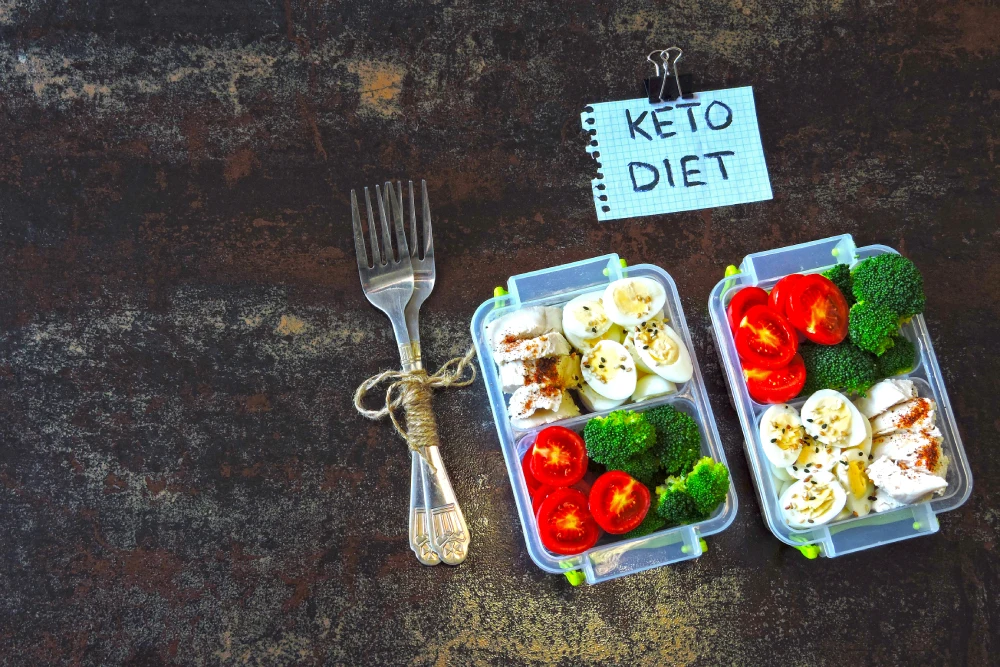
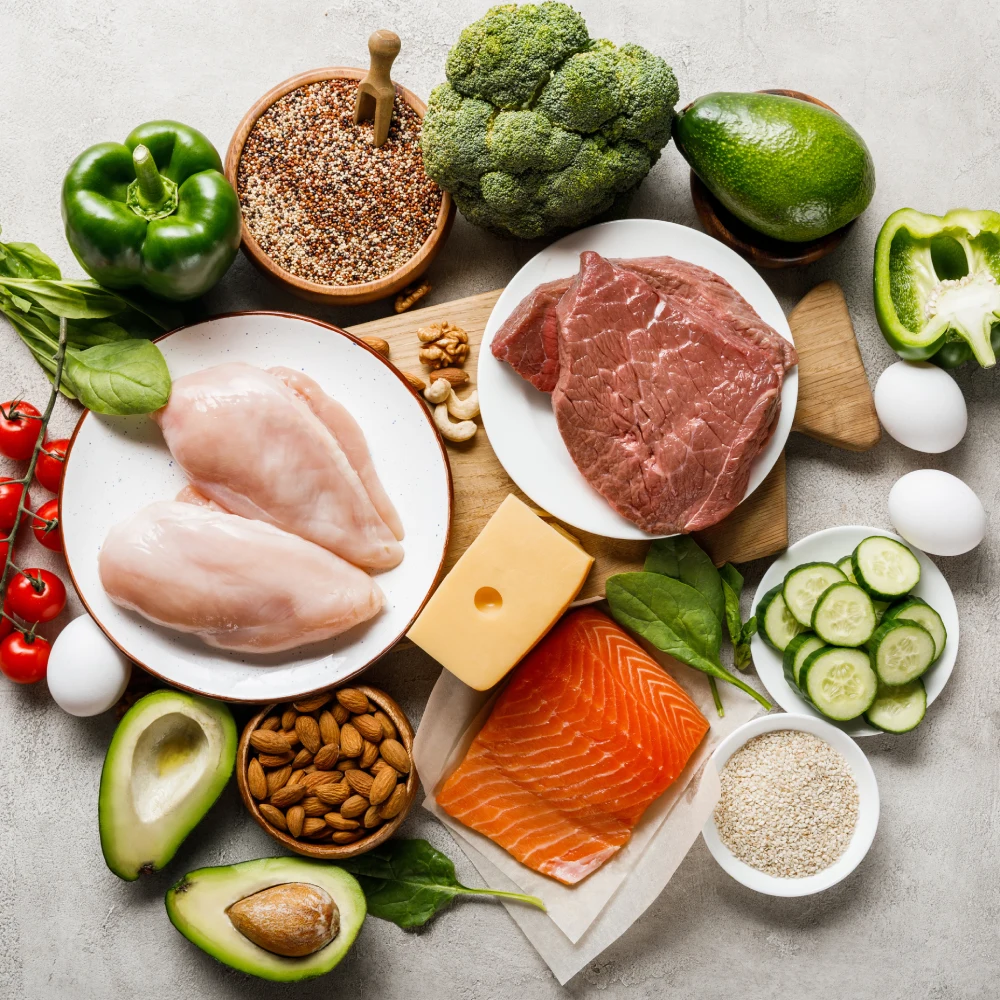
Ketogenic diet

Energy and blood sugar level feeling

One of the biggest changes people notice is how they feel daily.

  • No sudden energy crashes
  • Less hunger between meals
  • Fewer sugar cravings
  • More stable focus

This happens because the Ketogenic Diet keeps blood sugar more steady.

Common mistakes people make

A lot of people struggle because of small mistakes like:

  • Eating hidden carbs in sauces or packaged food
  • Not drinking enough water
  • Overeating even healthy fats
  • Not planning meals ahead

Fixing these makes a big difference in results.

Simple tracking

Nothing complicated, just basic awareness:

  • Check weight once a week
  • Notice energy levels
  • Watch hunger changes
  • Stay consistent with meals

This helps understand how the Ketogenic Diet is working for the body.

Frequently Asked Questions

How does this diet help with weight loss?

So here’s the deal. Your body normally runs on sugar. But this diet? It flips a switch. Now your body starts burning the fat you’ve got stored up. And that’s when the weight starts coming off. That’s it.

Is it easy for beginners to follow?

Yeah, honestly? Once you figure out what to eat, it’s easy. Eggs, chicken, veggies, good fats. That’s pretty much it. You can eat that stuff every single day.

Can vegetarians follow it too?

Yeah, you can. Just eat paneer, tofu, nuts, seeds, and low-carb veggies. Keep those carbs way down. You’ll be fine.

What foods should be avoided?

Stay away from bread. Rice. Sugar. Pasta. Chips. Any of that processed junk. Why? Because it stops the fat burning right in its tracks. You don’t want that.

When do results start showing?

You’ll feel different in a few days — less hungry, more energy. But actually seeing the weight come off? Give it a couple weeks. Just stick with it.

Is water important in this diet?

Yeah, for real. Drink your water. It helps your digestion. Keeps you from feeling tired. And it helps your body while it’s trying to adjust. Don’t forget it.

Is protein still needed?

Oh yeah. You need protein. It keeps your muscles strong while you’re losing fat. Don’t skip it.

Does exercise help?

Look, if you go for a walk or do a little workout? Yeah, that helps. But do you have to? Nah. You’ll still lose weight without it.

What is the most common mistake?

The biggest mistake people make? Eating hidden carbs and not even realizing it. Sauces. Dressings. Processed stuff. They hide carbs everywhere. So read the labels. Seriously.

Can this diet be followed long term?

Yeah, lots of people do it for years. Just keep your meals balanced and stay consistent. That’s all it takes.

Best Vegetarian Protein Sources to Build Muscle Without Meat 

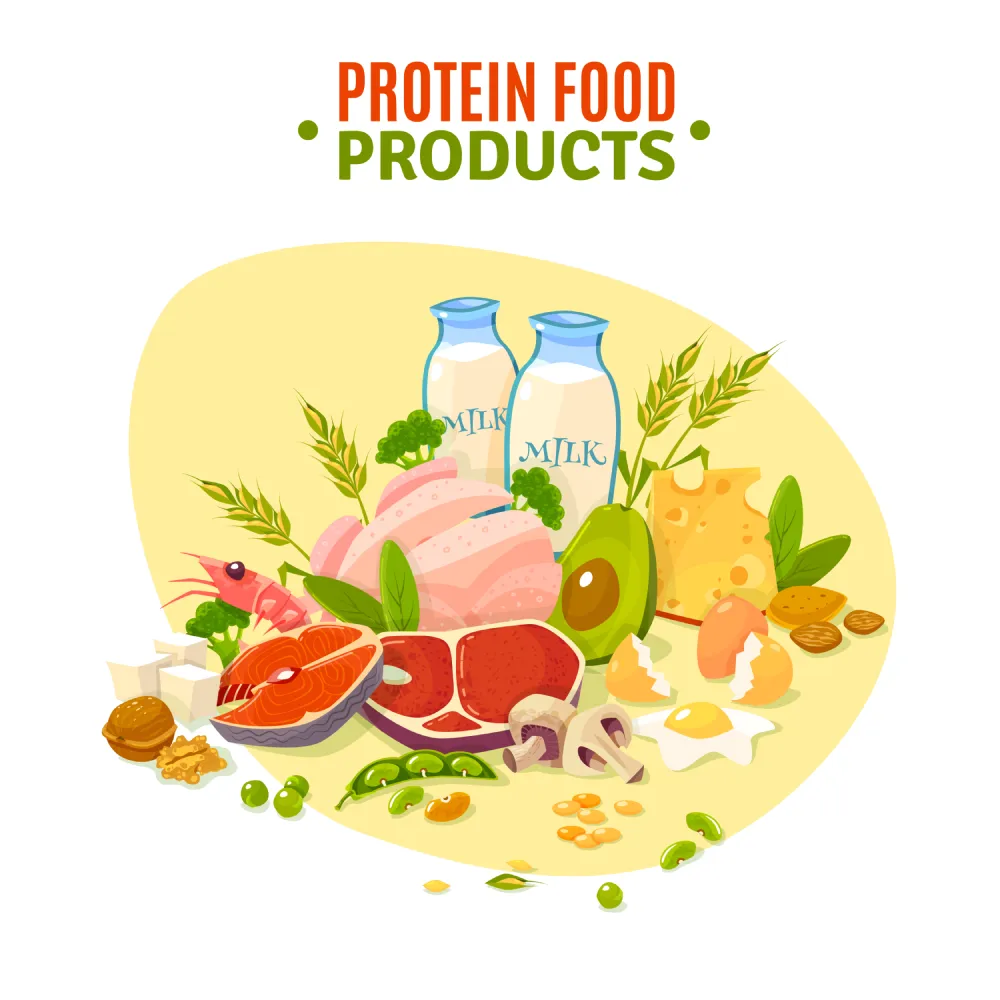
Vegetarian protein sources is actually very simple. You don’t need meat to build muscle at all.

Just eat good plant foods every day and stay consistent with your meals. Things like beans, lentils, chickpeas, nuts, seeds, and dairy (if you take it) can all give you good protein.

Your body only cares about getting enough protein to repair muscles after workouts. It doesn’t matter if it comes from plants or meat. What matters is you’re getting enough every day.

When you do that regularly, your body starts recovering better, you feel stronger in your workouts, your muscles grow over time, and your energy stays more steady throughout the day.

How plant protein really supports muscle growth?

High protein vegetarian foods support the body in a very steady way. After training, muscles break down and need rebuilding. That rebuilding process depends on protein intake spread across meals, not just one big serving.

When vegetarian protein sources are included in every meal, the body stays in a constant repair mode. That’s what leads to visible muscle growth over time.

The important thing to understand is this: consistency matters more than anything else.

Everyday foods that quietly do the job

vegetarian protein sources don’t need fancy ingredients or complicated planning. Most of them are already part of normal meals.

Lentils protein  are one of the strongest options because they give steady energy and help with muscle recovery. chickpeas are similar, they keep the body full and support strength over time. Beans protein works in the same way, slow digestion but strong nutrition support.

Tofu protein is another easy option because it absorbs flavor and can be used in almost any meal. Quinoa protein stands out because it behaves like a complete protein, which makes it very useful in plant-based protein sources.

When these foods are used regularly, vegetarian protein sources become a natural part of daily eating instead of something extra to think about.

vegetarian protein sources

How daily protein intake actually works

vegetarian protein sources only show results when they are eaten in the right amount across the day. The body does not store protein the same way it stores fat, so it needs regular supply.

Active people need more protein because workouts create more muscle breakdown. That’s why spreading meals matters so much. Breakfast, lunch, dinner, and even snacks should all include some form of protein.

When vegetarian protein sources are used this way, the body never runs low on what it needs for repair.

Combining foods makes everything stronger

vegetarian protein sources become more powerful when they are paired correctly.

Rice with beans creates a complete amino acid profile. lentils with whole grains improve protein quality. Chickpeas protein give better recovery support after workouts.

This is how plant-based diet solves the “incomplete protein” concern. It’s not about one food doing everything, it’s about combinations working together.

Once this is understood, the best protein sources for vegans feel complete and reliable for muscle building.

What actually changes in the body

When vegetarian protein sources are used consistently, a few things start to happen over time.

muscles recover faster after workouts. Energy levels stay more stable during the day. Hunger becomes more controlled because protein keeps you full longer. strength slowly improves because recovery is happening properly.

It’s not an overnight change, but it is a steady one. The body responds best to consistency, not quick fixes.

How training fits into everything

vegetarian protein sources alone are not enough, training has to match it. Strength training is what tells the body to build muscle in the first place.

When workouts are combined with proper protein intake, the body adapts. muscles grow because they are being challenged and then repaired with the right nutrition.

without training, even the best vegetarian protein sources will only maintain the body, not transform it.

Simple way to structure meals

vegetarian protein sources work best when meals follow a simple pattern instead of strict dieting.

Each main meal should include a protein source like lentils, beans, tofu, or chickpeas. Grains like rice or quinoa support that protein. Vegetables add fiber and recover nutrients.

This combination keeps everything balanced without overthinking it.

Once this becomes routine, vegetarian protein sources naturally cover daily needs.

Where protein supplements fit in

vegetarian protein sources from real food should always come first. but sometimes lifestyle makes it hard to hit targets through food alone.

In those cases, plant protein powders can help. They are not a replacement for meals, just a support tool. They help fill gaps on busy days or after workouts when quick nutrition is needed.

Still, the foundation should always stay built on real vegetarian protein sources.

protein supplements

Common mistakes that slow progress

vegetarian protein sources sometimes fail to show results because of simple mistakes.

Eating too many carbs without enough protein slows progress. Repeating the same food every day reduces nutrient variety. Skipping protein in breakfast or post workout meals delays recovery.

Another common mistake is expecting fast results without consistency. Muscle building is slow and steady, not instant.

Fixing these habits makes plant-based protein much more effective.

Conclusion:

Good sources of protein for vegetarians are not complicated, they just need consistency. Once the habit is built, the body adapts and starts improving strength and recovery naturally.

There is no need for extreme diets or complicated systems. Simple food, repeated daily, and matched with training is enough.

Frequently Asked Questions

How do vegetarian protein sources actually build muscle without meat?

Vegetarian protein sources build muscle by supplying essential amino acids that repair muscle fibers after workouts, especially when protein intake is consistent across all meals.

Can vegetarian protein sources really replace meat for strength training?

Yes, vegetarian protein sources can fully replace meat when meals are planned properly and include a variety of plant foods that together provide complete amino acid profiles.

How often should vegetarian protein sources be eaten in a day?

plant-based protein should be included in every main meal and even snacks so the body receives a steady supply of protein.

What happens if vegetarian protein sources are not eaten enough?

If vegetarian protein sources are not eaten in sufficient amounts, the progress in strength training becomes much slower over time.

Are vegetarian protein sources enough for intense workouts?

Yes, plant-based protein are enough for intense workouts as long as total daily protein needs are met and meals are structured properly.

Do vegetarian protein sources need to be combined?

Yes, combining vegetarian protein sources like grains and legumes helps create a complete amino acid profile.

How long does it take to see results from vegetarian protein sources?

Results vary, but with consistent training and proper use of vegetarian protein sources, improvements in strength and recovery can usually be noticed within a few weeks.

Can vegetarian protein sources help with fat loss too?

Yes, plant-based protein support fat loss by keeping the body full for longer, and helping maintain lean muscle during calorie control.

What are the easiest vegetarian protein sources to start with?

lentils, chickpeas, beans, tofu, and quinoa are the easiest plant-based protein because they are simple to cook.

Do vegetarian protein sources work without supplements?

Yes, plant-based protein work perfectly without supplements when meals are balanced and protein intake is consistent supplements.

Why Nutrition in Dubai Is Changing Fast in 2026

Nutrition in Dubai is changing fast in 2026, and you can actually feel it in normal everyday life now. It’s not something hidden in fitness circles anymore. It’s in regular conversations, in lunch decisions, in grocery choices, even in how people casually think before eating.

People are not just eating whatever is available anymore. There is a small pause now. A little awareness. A bit of thinking before every meal. And slowly, that is changing everything.

Nutrition in Dubai is becoming less about habits and more about conscious choices.

nutrition in Dubai

nutrition in Dubai has shifted in a very natural way. People don’t just eat and forget anymore.

Now there is a moment before eating where thoughts come in like:

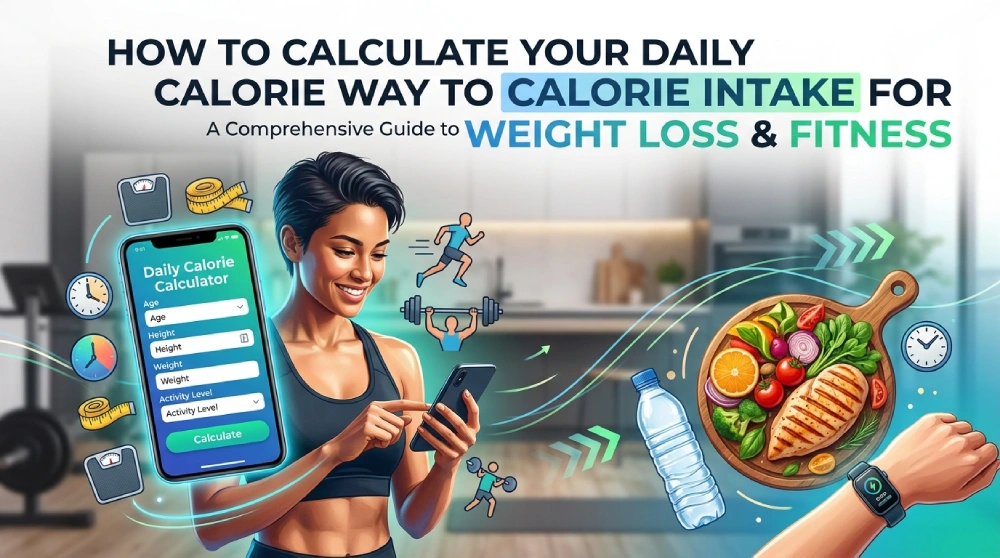
  • does this fit my daily calorie needs
  • am I already over my limit today
  • will this support my calorie intake for weight loss

It’s not strict dieting. It’s just people becoming more aware of their body without making it complicated.

Even when eating out or ordering food, that thought is there in the background.

weight loss calories

Calories are no longer something people ignore

Nutrition in Dubai is changing because calories are finally understood in a simple way.

They are not scary anymore. They are just information.

That’s why questions like how many calories should I burn a day come up so often now. People are not trying to become perfect, they are just trying to understand balance.

The mindset has become very calm:

  • don’t ignore what you eat
  • don’t overthink it either
  • just stay balanced most of the time

That’s it. Nothing extreme.

Weight loss is becoming more relaxed and real

Nutrition in Dubai has also changed how people think about weight loss completely.

It used to be extreme. Now it feels more normal.

A weight loss meal plan today is not about starving or cutting everything out. It is more like:

  • eating sensible portions
  • choosing better, not less
  • staying consistent instead of rushing results

Even weight loss calories are not treated like something stressful anymore. People just see them as a guide in the background.

It feels more realistic, and honestly, more sustainable.

Food choices are becoming naturally better

Nutrition in Dubai is also visible in simple daily food choices.

Without forcing anything, people are slowly moving toward meals like:

  • grilled chicken when they want something filling but clean
  • egg white omelette when they want a light start to the day
  • quinoa bowl when they want balanced energy
  • chia pudding when they want something sweet but light
  • cottage cheese when they just need simple protein

These are not “diet foods” anymore. They are just normal food choices now.

And slowly, this is turning into something like a high protein meal plan, even without people planning it that way.

People are just eating what makes them feel better afterward.

Metabolism is finally understood in a simple way

Nutrition in Dubai is improving because people are finally getting what metabolism actually means in real life.

No complicated science. Just simple understanding:

  • some people burn energy faster
  • some people store fat easier
  • same food does not work the same for everyone

Once this clicks, people stop comparing themselves so much.

Instead of following random diets, they start paying attention to their own body.

And that makes eating feel less confusing and more personal.

Eating is becoming structured, not strict

Nutrition in Dubai is not about strict rules anymore. It’s more about having some structure so life feels easier.

People are not cutting food out. They are just organizing it better.

Now it looks like:

  • planned meals instead of random eating
  • balanced portions instead of overeating
  • steady timing instead of eating anytime

Even daily calorie needs are used as a simple mental guide, not something stressful.

It’s less about control, more about feeling balanced.

Busy lifestyle is shaping everything

Nutrition in Dubai is also changing because life is fast.

People are always busy, always moving, always doing something.

So food has to be simple:

  • quick decisions
  • easy meals
  • no overthinking

Nobody really has time for complicated diet rules anymore.

So naturally, people are choosing food habits that fit real life, not ideal life.

That’s why nutrition in Dubai is changing so quickly.

nutrition in Dubai

Protein is becoming part of normal eating

Nutrition in Dubai is strongly moving toward protein-based food.

But it doesn’t feel like a fitness trend anymore.

People are choosing protein because it simply works better for them:

  • they stay full longer
  • they don’t feel like snacking all the time
  • their energy feels more stable

Conclusion:

Nutrition in Dubai is no longer just about food choices.

It’s about awareness.

People are thinking a little more, choosing a little better, and slowly understanding their own body in a better way.

It’s not about eating less or eating more.

It’s about eating with a bit of understanding behind it.

And that’s the real change happening right now.

Nutrition in Dubai is quietly becoming part of lifestyle, not something separate from it.

Frequently Asked Questions 

What does calorie intake for weight loss mean?

Look, it just means munching a tad fewer calories than your body burns daily. That gets it pulling from your fat stores for fuel—slow and easy, no wild starving yourself.

How many calories should I burn a day?

It all depends on your build and how much you’re moving around. No magic number—it’s about matching what you eat to what you burn each day, keeping things even.

What are daily calorie needs?

Daily calorie needs are how much energy your body requires each day based on age, activity, and metabolism. It helps guide how much you should eat for your goals.

Why is metabolism important?

Metabolism is important because it controls how fast your body uses energy from food. It affects weight, energy levels, and how your body responds to eating habits.

What is a high protein meal plan?

A high protein meal plan is a way of eating that includes foods like grilled chicken, eggs, cottage cheese, and quinoa to help with fullness, energy, and muscle support.

Why are people eating more protein now?

People are eating more protein because it keeps them full longer, reduces cravings, and helps maintain steady energy throughout the day.

Is nutrition in Dubai only about dieting?

No, nutrition in Dubai is not just about dieting. It is more about lifestyle, balance, and feeling better in everyday life.

Can lifestyle changes improve nutrition results?

Yes, small lifestyle changes like better sleep, hydration, movement, and stress control can improve nutrition results and make healthy eating more effective long term.

Why Your Healthy Lifestyle Isn’t Working (And How to Fix It Fast)

A healthy lifestyle sounds simple on paper. Eat better, move more, stay consistent, feel better. But in real life, it often does not work that way. Motivation starts strong, then slowly fades. Meals feel confusing. Energy drops. And suddenly, the plan that looked perfect stops working.

A healthy lifestyle is not failing because effort is missing. It is failing because the approach is not realistic for daily life.

And here is the truth that usually gets ignored. A healthy lifestyle is not built with strict rules. It is built with simple habits repeated long enough to actually stick.

Most people overthink it. It does not need overthinking. It needs structure.

What is really breaking the routine

Let’s be honest about what usually goes wrong:

  • Eating changes too fast, too strict
  • No proper balance in meals
  • Protein is missing from most meals
  • “Healthy” snacks are still highly processed
  • Long gaps between meals, then overeating later
  • No rhythm in daily eating schedule

A healthy lifestyle stops working when it becomes random instead of structured.

healthy lifestyle

Food confusion is the real problem

Most people are not eating badly on purpose. They are just confused.

One day carbs are bad. Next day fats are bad. Then everything is “clean” but still not working.

Keep it simple:

  • Stick mostly to minimally processed foods
  • Prefer whole grains over refined options
  • Do not skip good sources of protein
  • Build meals that feel complete, not restrictive

A healthy lifestyle starts making sense when food stops being complicated.

Why hunger keeps coming back no matter what

Ever notice this cycle? Eat something “healthy” but still feel hungry soon after.

That usually means one thing:
not enough protein or fiber.

Fix it like this:

  • Add protein properly, not just lightly
  • Include fiber in every main meal
  • Do not rely on snacks to fix hunger

A healthy lifestyle becomes stable only when hunger is controlled naturally, not fought.

Gut health quietly controls everything

This is the part most people ignore completely.

When digestion is weak:

  • Energy feels low all day
  • Cravings increase without reason
  • Stomach feels heavy or bloated
  • Weight loss slows down

What helps:

  • gut healthy foods like yogurt, fermented foods
  • Fresh vegetables daily
  • Enough water throughout the day

A healthy lifestyle feels completely different when digestion is working properly.

Meals need structure, not guesswork

Random eating leads to random results.

A simple structure works better than any strict diet:

  • Morning: protein + fiber + whole grain
  • Afternoon: balanced plate with protein and vegetables
  • Evening: lighter meal, still balanced
  • Snacks: planned, not emotional

A healthy lifestyle becomes easier when the day follows a rhythm instead of chaos.

Eating less is not the solution people think it is

This is where many people get stuck.

Cutting food too much:

  • Slows down metabolism
  • Increases cravings later
  • Leads to binge cycles
  • Creates constant fatigue

Instead:

  • Eat balanced portions
  • Keep protein consistent
  • Avoid extreme restriction

A healthy lifestyle works when the body feels supported, not deprived.

Smart snacking makes a huge difference

Snacks are not the enemy. Random snacks are.

Better choices:

  • Nuts and seeds
  • Yogurt or dairy options
  • Fruits with protein pairing
  • Simple homemade snacks

For children:

  • healthy snacks for kids like fruit bowls, nut butters, whole grains

A healthy lifestyle becomes consistent when snacks support the plan instead of breaking it.

Blood sugar balance is often ignored

A lot of energy crashes come from unstable blood sugar.

Better habits:

  • Follow type 2 diabetes diet principles early
  • Avoid sugary processed foods too often
  • Combine carbs with protein and fiber
  • Keep portions balanced

A healthy lifestyle protects long term health when blood sugar stays steady.

Low calorie plans only work when done right

Most people go too extreme.

What usually happens:

  • Too low calories
  • Constant hunger
  • No energy
  • Quick burnout

Better way:

  • Moderate calorie control
  • High protein intake
  • Fiber rich meals
  • Long term consistency

A healthy lifestyle is not a short challenge. It is a long system.

Energy crashes are a warning sign

Low energy is not normal. It is feedback.

Common causes:

  • Skipping meals
  • Too much sugar
  • Poor sleep
  • Low protein intake

Fix:

  • Eat regularly
  • Stay hydrated
  • Sleep properly
  • Keep meals balanced

A healthy lifestyle should feel steady, not exhausting.

Why most plans fail after a few weeks

Not because people stop caring.

Because:

  • Plans are too strict
  • Food rules are unrealistic
  • No flexibility is allowed

A healthy lifestyle needs room for real life. Without that, it breaks easily.

The simplest mindset shift that changes everything

Stop asking:
what should be removed

Start asking:
what should be balanced and added

A healthy lifestyle improves faster when focus shifts from restriction to structure.

good sources of protein

Keep daily life simple on purpose

The more complicated it becomes, the faster it fails.

Better approach:

  • Repeat simple meals
  • Avoid overthinking daily food choices
  • Keep eating times steady
  • Stay consistent more than perfect

A healthy lifestyle only works when it becomes automatic.

Conclusion:

A healthy lifestyle is not about doing everything perfectly. It is about doing simple things repeatedly without breaking the rhythm.

No extreme rules needed. No complicated diet systems. Just structure, balance, and consistency that actually fits real life.

A healthy lifestyle finally starts working when it stops being a plan and starts becoming a normal way of living.

Frequently Asked Questions

Why does a healthy lifestyle stop working even after good progress?


Because the routine is too strict and once motivation drops it cannot continue naturally

What is the most common mistake in healthy eating?


People overcomplicate everything and remove too many foods at once which brings cravings back

Why do I feel hungry even after eating healthy meals?


Because the meal is not balanced and usually lacks enough protein and fiber so it does not keep you full

Can small snacks really affect weight and health?


Yes they can because small unplanned snacks slowly add up over time without being noticed

How important is gut health in daily energy?


Very important because poor digestion lowers energy increases cravings and affects mood

Is eating very less a good way to lose weight fast?


No it may work for a short time but later it slows metabolism and leads to overeating

What foods should be included daily?


Simple whole foods like vegetables fruits whole grains protein and gut friendly foods like yogurt

Why do cravings increase during dieting?


Because the body feels something is missing usually protein fiber or healthy fats

How does sleep connect to healthy habits?


Poor sleep increases hunger reduces energy and leads to poor food choices the next day

What is the easiest way to maintain consistency?


Keep meals simple repeat basic foods avoid extreme diets and reduce unnecessary decision making

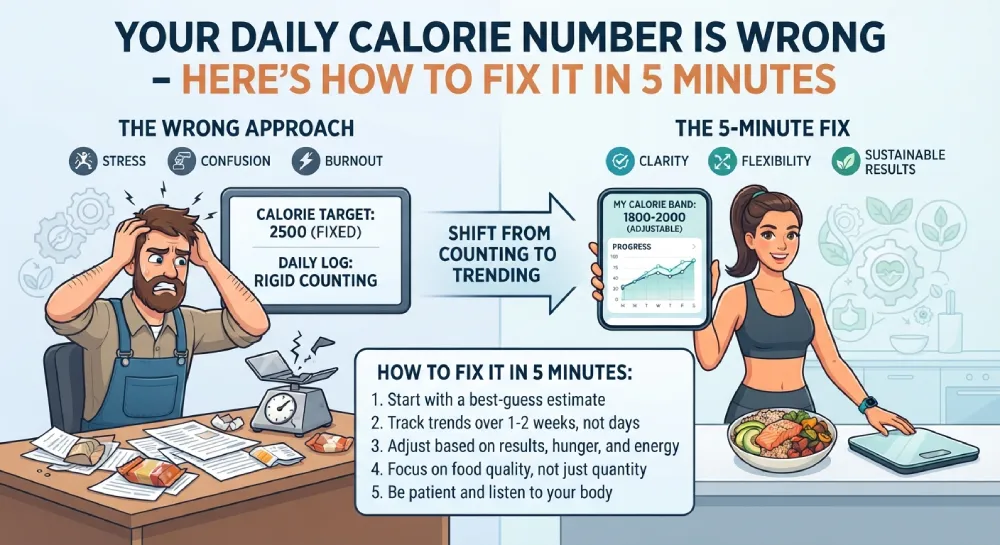
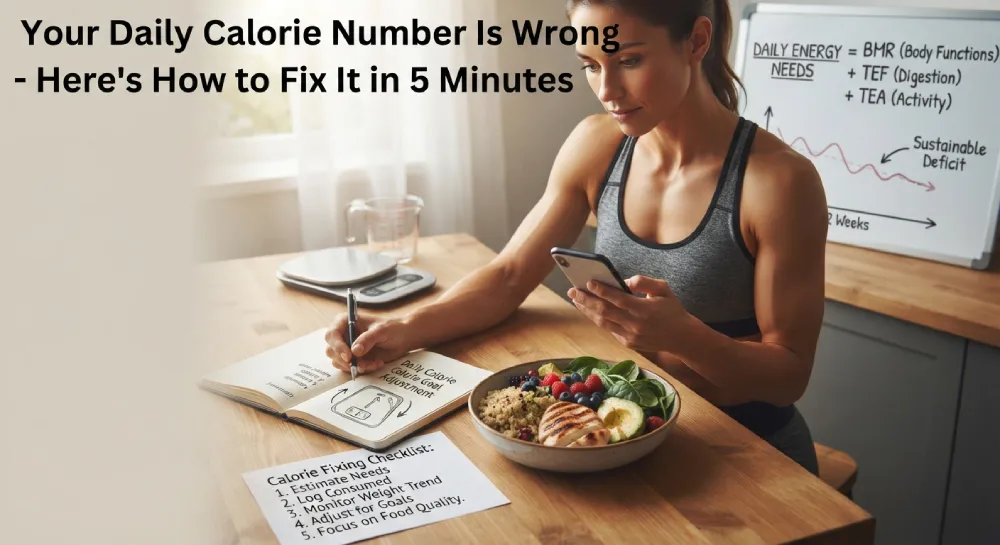
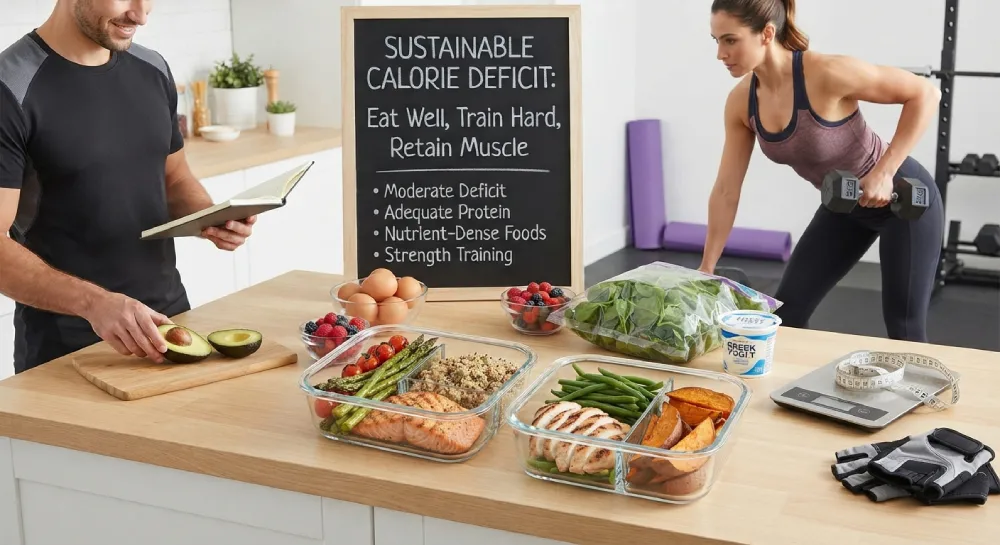
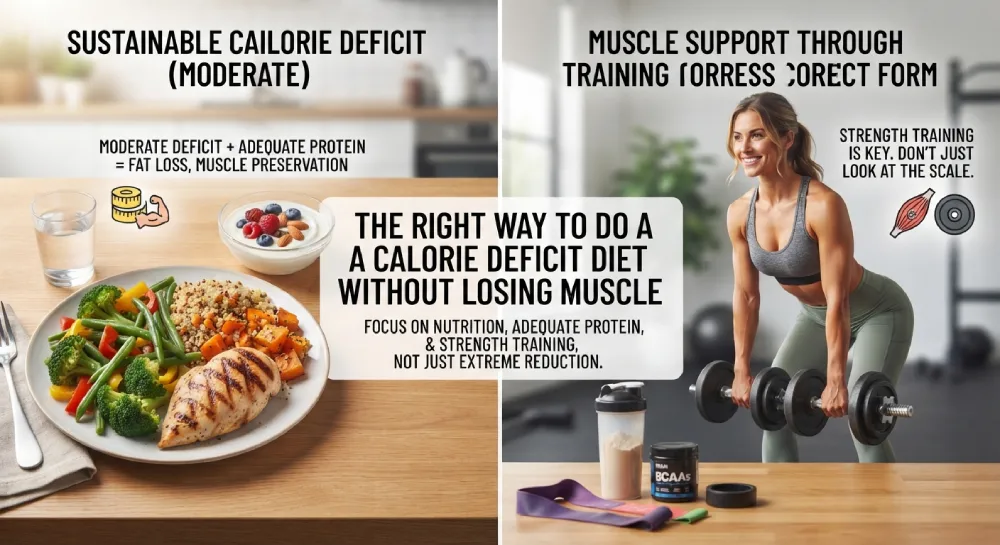
How to Create a Calorie Deficit Without Feeling Hungry All Day

Calorie deficit is where fat loss really begins. Not with cutting out everything you like, not with starving, not with forcing yourself through extreme routines. It starts here, with a simple shift: eating a little less than what the body needs, while still feeling okay through the day.

That’s the part people don’t hear enough. A calorie deficit is not supposed to feel like punishment. If it does, something is off in the way it’s being done.

This is about making it work in real life, not just on paper.

So what is actually happening in a calorie deficit

Think of it in the simplest way possible.

The body needs energy to function. That energy comes from food.

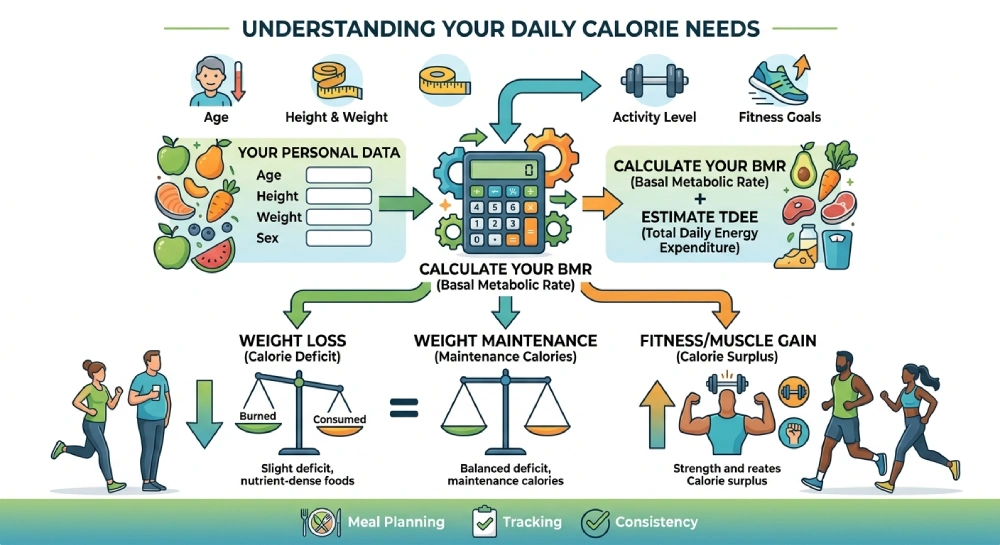
Now when food intake drops slightly below what the body needs, a calorie deficit is created. The body then fills that gap by using stored fat.

That’s it. That’s the whole process.

But here’s where most people go wrong. They don’t create a small calorie deficit, they go too far. They cut too much, too fast. And that’s when hunger takes over, energy drops, and everything starts to feel hard.

A calorie deficit should feel controlled, not extreme.

calorie deficit

Everything starts with maintenance calories

Before anything else, maintenance calories matter.

Maintenance calories are simply:
what the body needs to stay at the same weight.

No gain, no loss.

From there:

  • Eat slightly below → calorie deficit
  • Eat above → weight gain

Without knowing this, people just guess. And guessing usually leads to eating too little or not seeing results at all.

Once maintenance is clear, a calorie deficit becomes simple and structured.

How many calories should be eaten to lose weight

This question comes up again and again: how many calories should I eat to lose weight

The answer is not extreme.

A small drop works best. Around 300 to 500 calories below maintenance.

That level of calorie deficit does a few important things:

  • Keeps hunger manageable
  • Keeps energy stable
  • Allows consistency

And consistency is what actually drives results.

A calorie deficit is not about doing more. It’s about doing it long enough.

Why hunger becomes a problem for most people

If a calorie deficit feels like constant hunger, there is usually a reason behind it.

It’s rarely just bad luck.

Most of the time it looks like this:

  • Meals are too small
  • Not enough protein
  • Too many processed foods
  • Long gaps without eating
  • Drinking calories instead of eating food

A proper calorie deficit should not leave someone thinking about food all day.

The way to stay full actually is not complicated

This is where things start to feel easier.

A calorie deficit works best when food is built around fullness, not just numbers.

Start with protein in every meal

Protein keeps things steady. It reduces hunger and keeps meals satisfying.

Eggs, chicken, yogurt, fish, lentils. Simple foods that make a calorie deficit feel normal.

Fill the plate with volume

Big plates, low calories.

Vegetables, fruits, soups. These help stretch a calorie deficit without leaving the stomach empty.

Keep meals balanced

A mix of carbs, protein, and fats keeps energy from crashing.

That balance makes a calorie deficit easier to stick to without feeling drained halfway through the day.

Meal planning removes half the struggle

A lot of the difficulty is not hunger, it’s decision-making.

What to eat, when to eat, how much to eat.

Meal planning for weight loss solves that.

When meals are already decided:

  • No last-minute choices
  • No overeating from confusion
  • No random snacking

A calorie deficit becomes routine instead of effort.

Tracking calories without making it stressful

Calorie tracking helps, but it does not need to take over everything.

Start simple:

  • Track main meals
  • Get used to portion sizes
  • Stay consistent, not perfect

Over time, a calorie deficit becomes something that can be managed without thinking too much about it.

Burning calories without overdoing it

Movement helps. But it does not need to be intense.

Walking, staying active, basic workouts.

These support a calorie deficit quietly.

No need to push to extremes. In fact, too much intense exercise can increase hunger and make the calorie deficit harder to maintain.

Simple movement works better long term.

Different diets, same foundation

There are many styles out there.

Low calorie diet, low carb diet, keto recipes, high protein meals.

All of them can work.

But they all come back to the same thing: calorie deficit

That’s the base.

The style just makes it easier to follow depending on preference.

Meal preparation makes consistency easier

When food is ready, everything changes.

No thinking, no guessing, no rushing into quick unhealthy options.

Meal preparation supports a calorie deficit without needing constant willpower.

It turns effort into habit.

Mistakes that quietly slow everything down

Sometimes the issue is not effort, it’s small mistakes.

Eating too little early in the day

Leads to overeating later.

Ignoring small extras

Oils, sauces, drinks. They add up quickly.

One day undoing everything

A weekend of overeating can cancel days of calorie deficit.

Small things, but they matter.

A simple daily structure that works

Nothing complicated here.

  • Breakfast: eggs, oats, fruit
  • Lunch: chicken, rice, vegetables
  • Snack: yogurt or nuts
  • Dinner: lean protein with salad

This kind of structure supports a calorie deficit without making it feel restrictive.

low calorie diet

Long term approach always wins

A calorie deficit is not something to rush through.

It works better when:

  • Food is still enjoyable
  • Meals are satisfying
  • There is flexibility
  • There is consistency

That is what keeps it going.

Not perfection. Just steady control.

Conclusion:

A calorie deficit is not about forcing less food and dealing with hunger all day. It’s about understanding how to eat in a way that keeps the body satisfied while still creating that small gap needed for fat loss.

When that balance is right, things start to feel easier. Hunger settles down. Energy stays stable. And results start showing without constant struggle.

Frequently Asked Questions

How to stay full in a calorie deficit?


Eat more protein, add veggies and fruits, drink water, and don’t skip meals. That’s what keeps you full.

Do you need to track calories?


Not really. It helps, but you can manage with good portions and consistency.

Why does weight loss stop?


Usually small things—extra calories, bigger portions, or your body just adjusting.

What foods keep you full?


Protein, fiber, whole foods. Simple.

Can you lose weight without exercise?


Yes. But moving a bit, even walking, helps a lot.

How big should the deficit be?


Keep it moderate. Around 300–500 calories is enough.

Can you eat rice and bread?


Yes, just watch the portion.

Why more hunger at night?


Because you didn’t eat enough earlier in the day.

When do results show?


Usually in 2–4 weeks if you stay consistent.

Can you eat out?


Yes. Just don’t overdo it.

Vitamin D Deficiency: Best Foods and Habits to Boost Your Levels

vitamin D deficiency is something that usually doesn’t feel serious in the beginning. It starts quietly. A bit of tiredness here, a low mood there, maybe some body aches that are easy to ignore.

Most people don’t even think about it. Life feels busy, sleep feels “okay,” and everything gets blamed on stress. But slowly, vitamin D deficiency starts building in the background and the body begins to show it in very simple ways.

Not dramatic. Just… noticeable in everyday life.

It usually starts with small things

The tricky part about vitamin D deficiency is that it doesn’t come with one big clear sign. It shows up in small patterns.

Like:

  • Waking up and still feeling tired
  • Losing energy halfway through the day
  • Feeling lazy even without doing much
  • Getting irritated or low for no clear reason

And because life is already fast, these things get ignored. But this is usually where vitamin D deficiency begins.

The body starts feeling “off”

At some point, it stops feeling normal.

Not sick exactly. Just not right.

People often describe vitamin D deficiency like this:

  • “I feel tired all the time”
  • “My focus is not there anymore”
  • “I don’t feel like myself lately”

That mental fog is very common. It’s like the brain is working slower than usual. Simple tasks take more effort. Even decision-making feels heavy.

And the funny part is, most people don’t connect it with vitamin D deficiency at first.

low vitamin D levels

Why it’s happening more today

Modern life plays a big role here.

Most days look like:

  • Wake up → stay indoors
  • Work on screens
  • Move from room to room
  • Go back home → more screens

Very little sunlight. Very little outdoor time.

That alone slowly pushes the body toward vitamin D deficiency.

Even people who try to eat well sometimes still end up low because sunlight is such a key factor.

What the body is actually missing

To put it simply, vitamin D is not just a “vitamin for bones.”

When vitamin D deficiency happens, it affects:

  • Energy levels
  • Muscle strength
  • Mood balance
  • Immune system
  • Overall recovery of the body

So when it drops, everything feels a bit weaker at the same time.

That’s why vitamin D deficiency doesn’t feel like one clear problem. It feels like many small problems together.

The signs that quietly build up

These are the things people usually notice but don’t take seriously at first:

  • Feeling tired even after sleeping well
  • Low motivation during the day
  • Mild sadness or emotional heaviness
  • Muscle stiffness or random aches
  • Trouble focusing for long periods

This is where vitamin D deficiency is already active in the body.

Nothing extreme yet, but it’s there.

Food helps more than most people think

Now here’s the good part.

Food can actually support the body a lot when dealing with vitamin D deficiency.

Not overnight. But slowly, steadily.

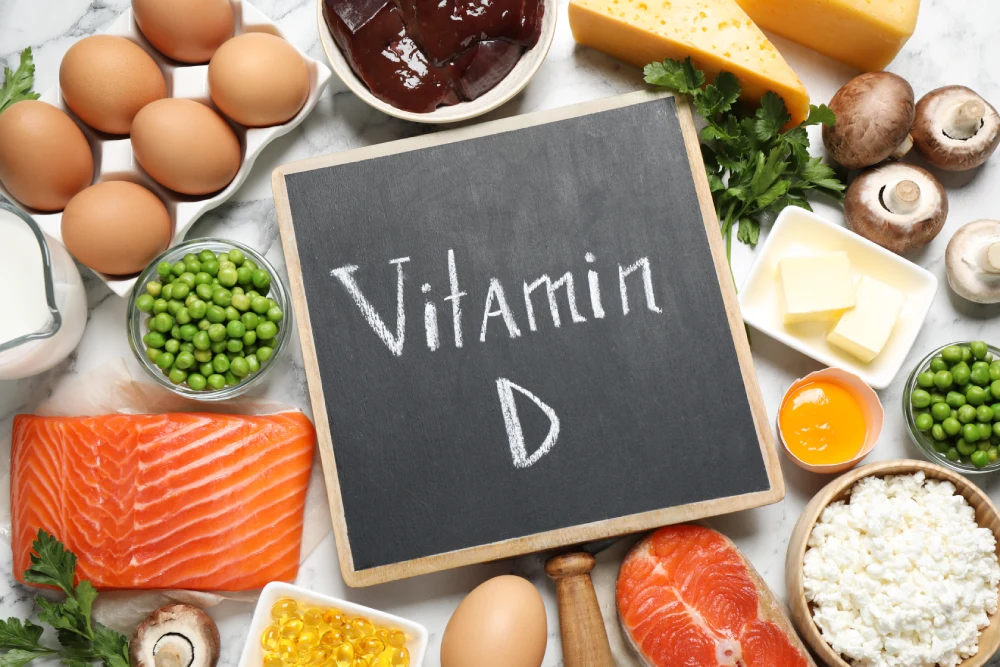
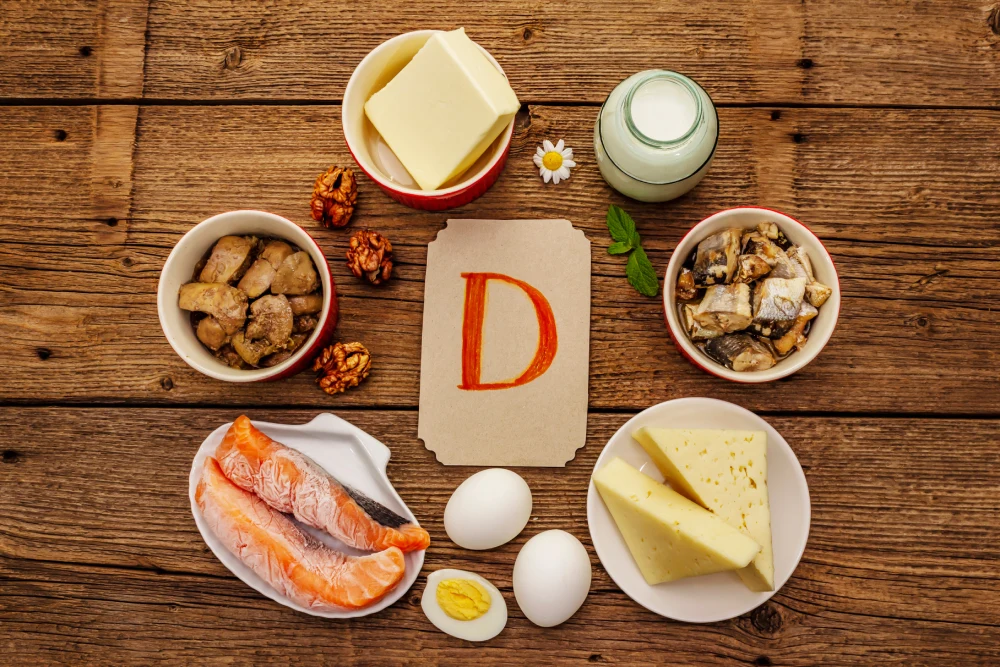
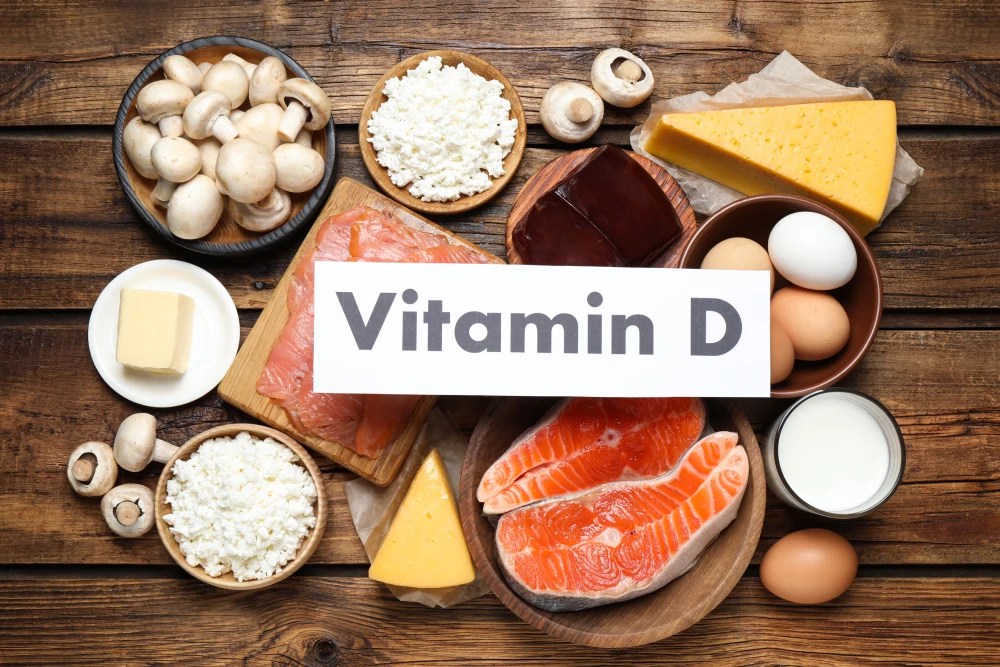
Simple foods that make a difference

  • Eggs (especially yolk)
  • Salmon, tuna, sardines
  • Fortified milk or plant milk
  • Mushrooms exposed to sunlight
  • Cheese in moderation

These are basic dietary sources of vitamin D, but consistency is what matters.

When low vitamin d levels is mild, food and sunlight together can really shift things.

Sunlight is still the main thing

No supplement or food completely replaces sunlight.

Even 15–20 minutes a day can help.

Morning light is especially helpful because the body responds better to it.

This is the simplest natural way to support low vitamin d levels without overthinking anything.

Just step outside. Walk a bit. Sit in light. That’s it.

Why energy feels so low

This is where things start making sense.

When vitamin D deficiency continues:

  • Cells produce energy less efficiently
  • The body recovers slower
  • Even small effort feels big

So a normal day starts feeling heavy.

It’s not laziness. It’s not lack of discipline. It’s just the body running on low support.

That’s why vitamin D deficiency often feels like burnout.

Mood and emotions get affected too

This part surprises many people.

But yes, low vitamin d levels can affect mood.

Not in a sudden extreme way, but slowly:

  • Less interest in things
  • Feeling low without reason
  • Increased stress sensitivity
  • Emotional tiredness

It’s like the emotional battery drains faster than usual.

What recovery actually feels like

Fixing low vitamin d levels is not instant.

But when habits change, the body responds step by step.

First, energy improves slightly.
Then mood becomes more stable.
Then focus starts coming back.

It’s gradual. But noticeable.

Simple daily routine that helps

Nothing complicated. Just basic consistency.

Morning

  • Step outside for sunlight
  • Eat something with protein like eggs

Afternoon

  • Balanced meal with vegetables and protein
  • Short walk if possible

Evening

  • Light dinner
  • Less screen time before sleep

This kind of rhythm slowly helps reduce vitamin D deficiency naturally.

vitamin D deficiency

Why ignoring it makes things worse

If low vitamin d levels is ignored for a long time, it doesn’t stay mild.

It can slowly lead to:

  • Weak bones
  • Low immunity
  • Constant fatigue
  • Poor concentration
  • Mood instability

The body just keeps slowing down little by little.

That’s why early attention matters.

Key things to actually remember

  • low vitamin d levels builds slowly
  • Tiredness is often the first sign
  • Sunlight is essential, not optional
  • Food supports recovery
  • Mood and energy are deeply connected

And most importantly, low vitamin d levels is reversible with simple consistent habits.

Frequently Asked Questions

Can sunlight alone fix vitamin D deficiency?

Sunlight helps a lot, but vitamin D deficiency improves best when sunlight is combined with good food and a balanced daily routine.

What foods help in vitamin D deficiency?

Eggs, fish like salmon and tuna, fortified milk, and sunlight-exposed mushrooms help support recovery from vitamin D deficiency over time.

Does vitamin D deficiency affect mood?

Yes, vitamin D deficiency can make mood feel low, increase stress sensitivity, and reduce emotional stability in a gradual way.

How long does vitamin D deficiency take to improve?

It depends on habits, but low vitamin d levels usually starts improving within weeks to a few months with consistent lifestyle changes.

Is vitamin D deficiency common today?

Yes, vitamin D deficiency is very common because people spend most of their time indoors and get less sunlight exposure.

Can vitamin D deficiency cause body pain?

Yes, vitamin D deficiency can lead to muscle weakness, stiffness, and general body discomfort over time.

Who gets vitamin D deficiency most often?

People who stay indoors most of the day, work on screens, or avoid sunlight are more likely to develop low vitamin d levels.

What is the easiest way to improve vitamin D deficiency?

The easiest way is simple daily sunlight exposure, eating vitamin D rich foods, and staying active outdoors regularly.

How to Build a Healthy Gut and Boost Your Overall Health Fast

A healthy gut is where real health begins. Not in complicated diets. Not in expensive routines. It starts in the gut.

When the gut feels right, everything else starts to feel right too. Energy stays steady. Digestion feels light. Skin looks clearer. Mood feels more balanced.

But when the gut is off, the body speaks. Bloating after meals. Random fatigue. Cravings that do not make sense. That is the body asking for a reset.

Building a healthy gut is not about doing everything at once. It is about doing the right things daily.

What is really going on inside the gut

The gut is not just a food system. It is a living environment. Inside it lives the gut microbiome. Trillions of bacteria working quietly.

Some help the body. Some harm it. Balance is everything.

When balanced:

  • The digestive system runs smoothly
  • The body can reduce inflammation
  • The immune system stays strong

When imbalance happens, poor gut health begins.

immune system

How poor gut health starts showing up

It does not always hit hard at first. It builds slowly.

Watch for these signs

  • Feeling bloated even after light meals
  • Digestion that feels slow or uncomfortable
  • Low energy without clear reason
  • Skin acting up
  • Getting sick more often

These signs mean it is time to improve gut health before things get worse.

What is quietly damaging your gut every day

Some habits look normal but slowly damage the gut.

Common everyday causes

  • Too much processed food
  • High sugar intake
  • Stress that never settles
  • Poor sleep
  • Not enough fiber

These habits weaken the digestive health and disturb the gut microbiome.

The simplest way to start building a healthy gut

Do not overcomplicate it. Start with food.

Start adding this

  • Yogurt with live cultures
  • Fermented foods
  • Fresh fruits and vegetables
  • Whole grains

These are natural foods for gut health that help rebuild balance.

Foods that actually repair the gut faster

Some foods do more than just support. They help repair.

Add these regularly

  • Garlic
  • Ginger
  • Bananas
  • Oats
  • Sauerkraut

These are powerful foods to improve gut health because they feed good bacteria and strengthen digestion.

Do probiotics really make a difference

They can help, but they are not everything.

Common choices

  • align probiotic
  • culturelle probiotics

These probiotics for gut health are useful when the gut needs extra support. Especially after antibiotics.

But real food still does the heavy lifting.

How to improve gut health naturally in daily life

No strict plans. No extreme steps. Just consistency.

Keep it simple

  • Drink water regularly
  • Eat fiber in every meal
  • Cut back on sugar slowly
  • Sleep properly
  • Slow down and manage stress

This is the real way to how to improve gut health naturally.

Why the gut controls your immunity

A strong healthy gut means a stronger body.

Most of the immune system lives in the gut. When the gut is balanced:

  • The body fights infections better
  • Recovery becomes quicker
  • Energy stays more stable

This is why gut care works as an immune system booster.

Nutrients that support gut strength

Food comes first. But nutrients support the process.

Important ones

  • Vitamin C
  • Vitamin D
  • Zinc

These vitamins for immune system help strengthen both immunity and the gut lining.

A simple daily routine that keeps the gut balanced

No complicated structure needed.

Follow this flow

  • Morning: warm water to start digestion
  • Breakfast: fiber-based meal
  • Daytime: keep hydrating
  • Evening: light and simple meals
  • Night: proper rest

This kind of routine builds a long-lasting healthy gut.

healthy gut

What kind of results to expect

The body responds when treated right.

Typical progress

  • First few days: less bloating
  • After a couple of weeks: better digestion
  • After a month: stronger energy

Consistency builds a stable healthy gut.

Mistakes that keep gut health stuck

Sometimes effort is there, but results are not.

Common mistakes

  • Depending only on supplements
  • Ignoring fiber
  • Eating too fast
  • Living in constant stress

These habits keep the digestive system under pressure.

Conclusion:

A healthy gut is not built through pressure. It is built through small, steady habits. Better food choices. Better sleep. Less stress. Take care of the gut, and the body starts taking care of everything else.

Frequently Asked Questions

What is the fastest way to improve gut health?

The fastest way to improve gut health is by adding fiber-rich foods, fermented items, and proper hydration while reducing sugar and processed foods daily.

How do I know if my gut health is bad?

Signs of poor gut health include bloating, fatigue, irregular digestion, and weak immunity, showing imbalance in gut bacteria.

Are probiotics necessary for gut health?

Probiotics for gut health can help restore balance, especially after illness, but they work best when combined with a healthy diet.

Can gut health improve the immune system?

Yes, a strong immune system depends on a balanced gut, helping the body fight infections and recover faster.

What foods are best for gut health?

The best foods for gut health include yogurt, fermented foods, fruits, vegetables, and whole grains that support digestion.

How long does it take to fix gut health?

Gut health can improve within weeks, but noticeable changes like reduced bloating can start in just a few days.

Do vitamins help gut health?

Yes, vitamins for immune system like vitamin D and zinc support digestion and strengthen gut health.

Can stress damage gut health?

Yes, stress affects the digestive system and can cause inflammation and imbalance in gut bacteria over time.

Is yogurt enough for a healthy gut?

Yogurt helps but is not enough alone, a mix of foods to improve gut health is needed for full benefits.

What is the best natural way to improve gut health?

The best way to how to improve gut health naturally is through consistent diet, hydration, sleep, and stress management daily.

High-Carb Foods That Are Actually Good for Your Body and Energy Levels

Carb food often gets a bad name, but the right kinds fuel your day without crashes. Think of them as steady power sources from nature, packed with goodness for your insides and outsides.

Why Pick Smart Carb food

Carb foods? They come in types that nail digestion and crank energy levels. Break it down: dietary fibre splits into soluble, which snags cholesterol, and insoluble, bulking your gut to speed everything through. Result? Killer gut health, less inflammation, shields from type 2 diabetes and colorectal cancer.

  • Whole sources load you with nutrition.
  • Cravings? Steadied—hunger ghosts you.
  • Heart health skyrockets, cholesterol in check.

Oats and Oat Milk Power

Oats top the list of carb food for steady mornings. One cup cooked packs 54 grams of carbs plus 8 grams of soluble fibre called beta-glucan that drops bad cholesterol. Oat milk swaps in smoothies or coffee, keeping things creamy without dairy downsides.

Stir oats into overnight bowls with fruits. They feed good gut bugs for smooth digestion. Energy flows even, no mid-day slumps.

carbohydrates food

Seeds That Pack Punch

Chia seeds and flax seeds turn any carb food meal super. Just one ounce of chia seeds gives 10 grams dietary fibre, soaking up water to fill you up. Flax seeds add 8 grams, plus omega-3s for less inflammation and better heart health.

Sprinkle on yoghurt or blend into vegetables salad. These tiny adds fight cravings and support gut health big time.

Fruits Full of Good Stuff

Apples shine as daily carb food heroes with skin-on crunch. They deliver insoluble fibre for easy bowel moves and pectin as soluble fibre to steady blood sugar. Citrus fruits like oranges join in, loaded with vitamins that aid digestion and cut type 2 diabetes risk.

Grab one post-workout. Energy levels stay up, and nutrition flows from natural sugars tied to fibre.

FruitCarbs per ServingFibre Type Benefit 
Apples (1 medium)25gSoluble fibre for cholesterol control
Citrus fruits (1 orange)15gDietary fibre for gut regularity

Legumes Lead the Way

Listen, legumes like lentils, chickpeas, beans—they own carb foods with insane protein power. Cup of cooked lentils? 15 grams fibre, slashes colorectal cancer risk, builds your gut like a boss. Chickpeas into hummus? That dip smashes cravings, energy stays rock-steady.

Throw lentils in soups, roast chickpeas for epic snacks. They tank cholesterol, shield your heart forever.

digestive system

Whole Grains Worth It

Whole grains such as brown rice and quinoa redefine carb food. Quinoa brings complete protein with 70% carbs, aiding weight control and blood sugar balance. Brown rice adds 3.5 grams fibre per cup for smooth digestive system flow.

Swap white for these in bowls. Energy levels hold strong, fighting inflammation naturally.

  • Quinoa salads with veggies.
  • Brown rice stir-fries keep it simple.

Root Vegetables and More

Root vegetables ground your carb food intake right. Sweet potatoes and carrots pack insoluble fibre to prevent constipation and boost gut health. Mix into vegetables salad for crunch that aids digestion.

Yoghurt pairs as a carb food side with live cultures for extra microbiome love. Top with chia seeds for double fibre power.

Quick Wins Table

Here’s how top carb food stacks up for daily wins.

Carb foodCarbs (per cup cooked)Key Perk
Oats54gLowers cholesterol 
QuinoaHigh 70%Full protein, gut boost
LentilsVaries15g fibre, heart guard
Brown rice45gSteady energy
Chickpeas45gCravings killer

Build Your Plate Right

Start days with oats or oat milk smoothies blended with apples and chia seeds. Lunch hits with quinoa bowls, legumes like chickpeas, and root vegetables. Dinners swap to brown rice with hummus dips and citrus fruits sides.

These carb food choices keep energy levels humming and nutrition on point. Whole grains and seeds weave in easy, turning meals into health powerhouses without fuss.

Conclusion:

Watch digestion improve as soluble fibre and insoluble fibre team up. Gut health thrives, inflammation drops, and risks for type 2 diabetes, heart health issues fade. That’s the real talk on why smart carb food wins every time.

Frequently Asked Questions

What makes carb foods so great for keeping your energy levels up?


Take oats and quinoa—their fibre lets glucose trickle out slow, no spikes or crashes dragging you down. Beats sugars hands-down; powers muscles, brain for hours on hectic days. Throw in meals, boom—all-day energy.

Are oats really the top carb food for gut health?


Oats’ beta-glucan straight-up feeds good bacteria, eases digestion, regularizes bowels, kills inflammation. Gut’s thrilled. Overnight oats daily? Game-changer.

How do chia seeds help you control those cravings as a carb food?


Chia soaks water, swells huge with insoluble fibre—stomach full quick, cravings gone. Evens blood sugar, stops snack urges, nutrition bonus. Yoghurt sprinkle? Done.

Can legumes like lentils actually lower your cholesterol levels?


For sure—lentils, chickpeas snag cholesterol via fibre, rinse it out, heart loves it. LDL drops no meds, type 2 in check. Soups, salads—perfect.

Why should you pick whole grains over white rice for your carb foods?


Brown rice keeps bran fibre for gut boost, steady energy, colon cancer shield—white? Stripped junk. Slow digest, full longer. Ditch white now, feel it.

Do apples count as a healthy carb food for better digestion?


Apples? Pectin softens stool, zips digestion; skin bulks it. Bye constipation, hello nutrition—low cals. Whole apple daily, easy.

Is hummus made from chickpeas good for heart health?


Chickpea hummus hammers cholesterol, inflammation with fibre—heart risks plummet. Veggies keep energy up. Dip freely, zero guilt.

How much carb food is best for fighting type 2 diabetes?


Quinoa, legumes daily—fibre slows sugar rush, glucose steady, no type 2 spikes. Half your plate: shielded.

What carb foods boost energy levels without leading to weight gain?


Roots, oats—complex carbs, fibre for slow burn, crush cravings, no overeat. Smart full. Portion it, no gain.

Can flax seeds improve gut health when you’re eating carb food diets?


Flax fibres nurture bacteria, smooth digestion, smash inflammation—gut thrives. Grind fresh, stir in.

10 High Protein Diet Mistakes That Are Slowing Your Results

Picture this: you clean up these high protein diet, and bam—everything changes. No more dragging through the day ’cause your energy’s rock solid. Those muscles you’ve been chasing? They finally pop ’cause the protein’s actually doing its job. Scale starts dropping for real, week after week. And get this—you feel awesome, not deprived. It’s that “aha” moment where weight loss feels easy and sticks for good.

1. More Protein Isn’t Always Better

Okay, real talk: tons of you go, “100 grams protein? Nice, let’s smash 200 and get huge!” Hold up, that’s backwards. Protein shines when you hit it with carbs to fuel you, good fats to keep hormones happy, veggies to fill the gaps. No balance? That chicken’s just sitting heavy, your body shrugs it off, no gains.

Simple fix:: Load every meal, greens like spinach, sweet potato for carbs, avocado or nuts for fat. Energy doesn’t crash, muscles build for real, and it all sticks. Simple as that.

2. Forgetting About Calories

Even if your plate is loaded with protein, ignoring calorie intake can ruin your progress. Too little, and your body starves. Too much, and the fat sneaks in.

Think of it like fuel for a car: protein is the engine, but calories are the gas. Without the right amount, you’re not going anywhere.

Pro tip: Track your intake. Use a meal plan subscription to make it effortless.

healthy diet

3. Overdoing It

Protein is great, but more isn’t always better. Eating huge portions can stress your body and just add unnecessary calories.

Fix: Measure portions or use a monthly meal plan subscription. Let someone else handle the math while you enjoy your food.
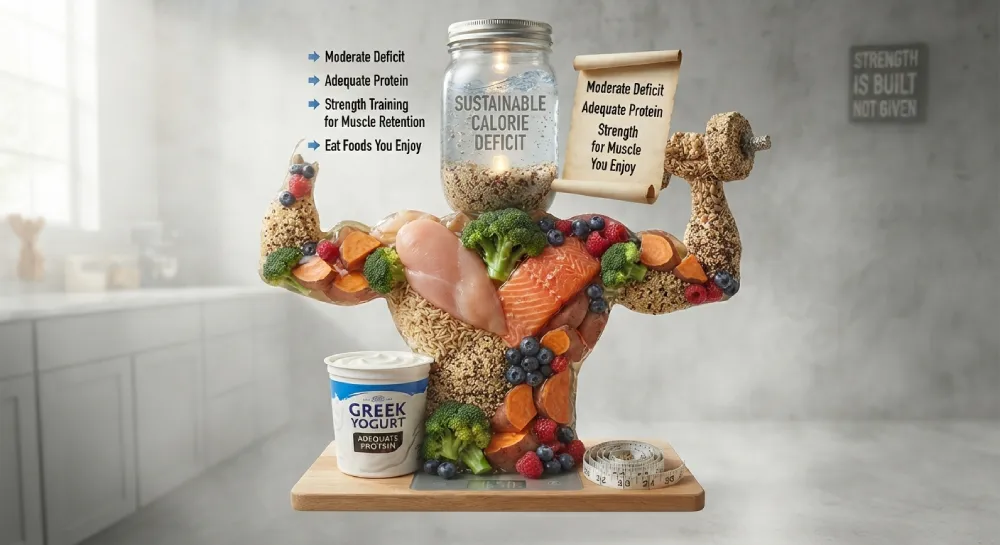
4. Only Relying on Ready-to-Eat Meals

Yes, ready-to-eat meals are convenient. But if that’s all you eat, you’re missing out on fiber and micronutrients. Protein alone won’t cover everything your body needs.

Tip: Mix it up with fresh foods. If you’re in Dubai, a meal kit Dubai service can make this simple and still nutritious meals.

5. Eating the Same Protein Every Day

Chicken, eggs, chicken, eggs… it gets boring fast. And you’re missing nutrients. A good high protein diet rotates proteins: fish, lean meats, legumes, dairy, even plant-based options.

Try this: Add a vegetarian diet meal delivery once in a while. Keeps meals interesting and supports sustainable healthy eating.

6. Forgetting Carbs and Fats

Some people think a high protein diet means no carbs or fat. Big mistake. Carbs fuel your workouts. Fats keep hormones working right. Skip them, and you’ll feel drained and recover slower.

Tip: Even if you’re on a low carb diet, don’t go zero. Moderate carbs and healthy fats make protein actually work for you.

7. Not Adjusting for Activity

Protein needs aren’t static. Sit on the couch all day? You need less. Lift heavy weights or train intensely? You need more.

Tip: Match your high protein diet to your activity. Meal plan subscriptions can do this automatically, making sure your dietary needs are covered.

8. Leaning Too Hard on Supplements

Shakes and protein bars are convenient. But they’re not magic. Real food gives fiber, vitamins, and minerals that powders can’t.

Tip: Supplements are helpers, not main meals. Your focus should always be on nutritious meals first.

9. Ignoring Timing

Protein timing is more important than most realize. Eating it all at once doesn’t help much. Spread it over 3-5 meals so your body can absorb it and build muscle efficiently.

Tip: Many monthly meal plan subscription services handle timing for you, so you don’t have to overthink it.

10. Not Tracking Anything

You could be eating “perfectly” and still not see results. Why? Because you’re not tracking. Without tracking protein, calories, and meals, you’re guessing.

Tip: Write it down or log it in an app. Watch trends. Adjust. Tracking makes your high protein diet actually work for your weight goals and healthy living.

Quick Friendly Tips

  • Mix animal and plant proteins
  • Add vegetables and fruits to every meal
  • Track calorie intake
  • Avoid processed foods and sugar spikes
  • Stay consistent and hydrated
high protein diet

Your 5-Step Kickstart Plan

Alright, let’s cut the crap and get you moving. Here’s your no-BS 5-step plan to smash these mistakes—starting right now:

  • Step 1: Look back at what you ate yesterday. See that one dumb move, like no greens? Don’t repeat it today.
  • Step 2: Log your calories and protein for just 3 days. Phone app, 2 minutes max—do it.
  • Step 3: Shake things up tomorrow—ditch the same old chicken for tofu or fish. Boring kills diets.
  • Step 4: Split protein into 3-5 hits a day. Stop slamming it all at dinner.
  • Step 5: Chug water all day and get off your butt a little. Boom, results incoming.

Follow this, and you’ll feel it quick. Trust me, it’s that straightforward.

Conclusion:

Okay, real talk: forget trying to fix it all overnight, that’s a recipe for quitting. Right now, pull out your phone or a scrap of paper. Peek at what you ate yesterday and pick the one mistake jumping out. Swap in some veggies or jot down your calories—just that one thing today. Hit the water hard, show up every day, and you’ll see it build fast. You’ve already got the grit—this is just the simple push. Come on, let’s make it happen!

Frequently Asked Questions

How much protein do I need each day?


Go for 1.2 to 2.2 grams per kilo of your weight. More if you’re hitting the gym hard or chasing gains.

Can vegetarians go high-protein?


Yeah. Beans, lentils, tofu, tempeh, nuts—boom, or get veggie meals delivered.

Are ready-to-eat meals fine?


Sure, but don’t live on ’em. Add fresh eats for real nutrition.

Does cutting carbs help protein absorb better?


No dice. Carbs fuel you up and make protein work better, low-carb or not.

Why do calories matter so much?


They’re everything. Overdo it, gain fat. Skimp, no progress. Track to win.

Can protein shakes replace full meals?


Forget it. Shakes back you up—food gives fiber and vitamins they lack.

How often should I eat protein?


Hit 3 to 5 meals a day. Monthly meal sub makes it effortless.

Will too much protein hurt my kidneys?


No, safe if healthy. Kidney probs? See your doctor.

Are meal plan subscriptions worth it?


Damn right—portions, balance, no hassle.

How do I keep high-protein fun long-term?


Switch proteins, throw in plants, veggies, grains. Variety keeps you hooked.

Burn Fat & Boost Your Immune System: The Perfect Diet Plan

The immune system keeps you strong against sickness, and pairing it with fat-burning foods creates the ultimate health plan. This simple guide shows exactly how to eat right, stay fit, and feel great every day.

Why Immune System Matters

The immune system fights germs daily, like a built-in army. Feed it well with everyday foods, and it works better while you drop extra weight. Skip junk, and notice fewer colds plus a leaner look fast.

Think vitamins from fruits and vegetables—they charge up immune system cells without piling on calories. Add healthy fats like nuts to keep everything running smooth.

Top Foods to Burn Fat

The best foods for weight loss fill you up on fewer calories. Grab low calorie food such as apples or cucumber—they crunch and satisfy while boosting the immune system. No hunger crashes here.

Turn to high protein low fat foods like fish or eggs. They build strength, cut fat, and support immune system repair. Your body stays energized for the long haul.

Food TypeExamplesCaloriesProtein Boost
Low Calorie FoodApples, GreensUnder 100Fills you quick
High Protein Low Fat FoodsFish, Eggs150/servingKeeps muscle
Protein Foods for Weight LossYogurt, Beans120/servingDrops fat easy

Build Strong Immune System

Load plates with fruits and vegetables—oranges for vitamin C, spinach for power. These keep the immune system sharp and help melt belly fat naturally.

Healthy fats from avocado calm swelling that hurts the immune system. Eat them with meals to stay full and protect health at the same time.

Zinc in seeds and beans fixes the immune system daily. Yogurt adds good bacteria where most of the immune system lives—in your gut.

immune system

Fitness for Lean Body

Fitness nutrition mixes food with movement for a lean body. After gym time, eat protein foods for weight loss to recover fast. Check gyms in Dubai like spots with weights and pools—they pair perfectly with this plan. Train smart to grow muscle without extra fluff.

Grow Muscle Right

How to increase muscle growth? Eat clean protein after lifts. Try the best protein powder for muscle gain mixed in shakes—pure fuel.

Use lean mass gainers like oats with eggs for steady power. Lift heavier each week at gyms in Dubai for real changes.

Rest well too—the immune system needs it to handle tough workouts.

Easy 7-Day Plan

Follow this to fire up the immune system and burn fat. Keep portions fist-sized.

  • Day 1: Yogurt-berry breakfast, chicken-veggie lunch, fish-quinoa dinner.
  • Day 2: Egg-spinach start, turkey salad midday, bean stir-fry night.
  • Day 3: Smoothie with nuts, fish wrap, veggie-egg bake.
  • Day 4: Oat-egg bowl, lentil soup, salmon greens.
  • Day 5: Fruit-yogurt, chicken rice, tofu veggies.
  • Day 6: Chia pudding, bean salad, turkey stir-fry.
  • Day 7: Green smoothie, egg wrap, fish-quinoa.

Snack on nuts or carrots. Hits 1600 calories, tons of immune system fuel.

Gyms in Dubai offer classes and gear for all levels. Go 4 days a week, mix cardio and weights for lean body wins.

fat loss

Hydration for Peak Health

Water jumpstarts immunity system cells, washing out waste that blocks fat loss. Shoot for half your weight in ounces each day—toss in lemon slices for extra vitamin C that ramps up immunity system power. Ditch sugary drinks; they weaken defenses and add empty calories.

Cucumber water doubles as low calorie food, keeping you hydrated while killing snack cravings. Ginger tea calms the gut, home to most of your immunity system—perfect between meals for smooth energy.

Use a marked bottle to hit goals—better water flow means quicker workout recovery and a sharper lean body outline fast.

Sleep’s Role in Immunity

Deep sleep rebuilds the immunity system while you rest, torching fat in those quiet hours. Get 7-9 hours nightly; skimping spikes hunger signals that sabotage progress. Blackout curtains, no late screens—rise energized and attack-ready.

Before-bed high protein low fat foods like a scoop of cottage cheese steady sugars, fueling overnight immunity system fixes. Pair with calm routines for deeper rest.

Stick to set bedtimes—lower stress equals tougher immunity system and easier fat melt toward that lean body.

Stress Management for Immunity

Listen, stress slams your immunity system hard, slowing fat burn and stacking belly weight. Ever notice tense days trigger junk binges? Break it with quick breaths—in four, hold four, out four. Hit that daily to quiet hormones wrecking immunity system power.

Take walks post-meal—they spark mood boosters, rev immunity system cells, and melt calories. Grab fruits and vegetables like apple slices along—no sweat, huge lift for lean body shape.

Laugh it up too—funny clips before bed work wonders. Less stress sharpens the immune system, steadies energy, drops fat smoothly. Keep it dead simple, stick with it.

Frequently Asked Questions

What top foods boost immune system?

Oranges, spinach, garlic, and yogurt pack vitamins and bacteria to power immunity system cells. Eat them fresh daily for strong defense against bugs—simple habit for big health wins.

How does diet burn fat and help immune system?

Low calorie food plus protein creates calorie gaps while vitamins keep immunity system humming. No fancy tricks—just steady meals for energy and slim shape. 

Best protein powder for muscle gain?

Whey types with 25g protein per scoop build fast without bloat. Mix post-gym for repair and immune system support—clean gains every time. 

High protein low fat foods for loss?

Chicken, fish, and beans give 25g+ protein low on fat to stay full and drop pounds. Boosts immune system too with built-in zinc. (138 chars)

How to increase muscle growth simply?

Lift weights 3-4x week, eat lean mass gainer foods like eggs-oats. Rest and fruits and vegetables lock in size for a lean body.

Best foods for weight loss immunity?

Berries, broccoli, eggs—low cal, high protein foods for weight loss, gut-friendly for immune system power. Tasty and filling daily. 

Healthy fats’ role in the immune system?

Avocado and nuts cut swelling, feed immune system cells right. Helps burn fat by balancing hunger hormones naturally. 

Top gyms in Dubai for fitness?

Warehouse Gym spots have weights, pools, trainers—ideal for fitness nutrition and how to increase muscle growth. 

Fruits and vegetables for the immune system?

Kiwi, carrots, greens deliver C and iron to shield the immune system. Five handfuls daily keeps you strong and slim. 

Protein foods aid loss and immunity?

Yes, yogurt and lentils curb eats, build muscle, and zinc-up the immune system. Perfect for easy lean body shifts. 

15 Best Gym Foods for Muscle Gain and Fat Loss (Proven Results)

Listen, gym food is straight-up the secret to real gains. You can smash the gym, hoist those heavy weights, pour sweat everywhere—but if your food game’s weak, forget progress. It’s what you shove in before and after that flips the switch from spinning wheels to building muscle and torching fat. Want the goods? Here’s my simple rundown on 15 best gym foods that actually get shit done.

Why Gym Food Makes a Difference

Think about it like this: your body is a machine. If you put in bad fuel, it won’t run well. The right gym food gives energy for workouts, helps muscles recover faster, and makes fat loss easier. Timing is important too. What to eat before gym and what to eat after exercise can make or break your results.

1. Eggs – Quick Protein Boost

Eggs are easy, cheap, and packed with protein. They’re a perfect pre workout snack.

  • Give steady energy
  • Help repair muscles
  • Easy to cook any way

How to eat: Boiled, scrambled, or omelets with veggies. Done.

workout diet plan

2. Chicken Breast – Lean Muscle Builder

Chicken breast is simple but powerful. Low fat, high protein. Great for your after workout meal.

  • Builds lean muscle
  • Helps fat loss
  • Easy to prep

Tip: Pair with brown rice or quinoa for a full workout food plan.

3. Greek Yogurt – Easy Recovery

Greek yogurt isn’t just breakfast. It’s a perfect post workout meal.

  • Protein feeds muscles
  • Good for bones
  • Mix with berries for carbs

4. Oats – Energy That Lasts

Oats are the go-to pre workout snack. They release energy slowly, so you won’t crash mid-session.

  • Steady energy
  • Supports endurance
  • Mix with protein powder if you want

Quick hack: Make overnight oats with almond milk and berries.

5. Salmon – Smart Fat

Salmon is full of omega-3s. These fats help muscles recover faster. Include it in lunch or dinner as part of your gym diet plan.

  • Anti-inflammatory
  • Builds lean muscle
  • Good for heart and joints

6. Quinoa – Carbs + Protein

Quinoa is special. It’s carbs and complete protein in one. Good for pre workout snack or after your session.

  • Full amino acids
  • Slow energy release
  • Easy to digest

Tip: Mix with chicken or veggies for a meal that hits all the right notes.

7. Bananas – Fast Energy

Bananas are like instant fuel. Perfect what to eat before a workout.

  • Quick carbs
  • Prevents cramps
  • Pair with peanut butter for protein

8. Almonds – Small Snack, Big Impact

Almonds are great as a pre workout snack. Healthy fats, protein, and keeps you full.

  • Steady energy
  • Muscle support
  • Easy to carry

9. Cottage Cheese – Nighttime Muscle Fuel

Cottage cheese digests slowly, feeding muscles overnight. Perfect post workout meal or evening snack.

  • Slow protein for recovery
  • Low fat
  • Mix with fruit for taste

10. Sweet Potatoes – Long Energy

Sweet potatoes are slow-digesting carbs. Perfect what to eat before gym.

  • Keeps energy steady
  • High fiber and vitamins
  • Supports fat loss

11. Whey Protein – Fast Muscle Fix

Whey protein shakes are quick and convenient. Perfect post workout meals.

  • Fast protein delivery
  • Easy and simple
  • Helps muscles grow

12. Spinach – Tiny but Powerful

Spinach is small but mighty. Add it to meals to boost your gym food plan.

  • Supports oxygen transport
  • Anti-inflammatory
  • Low calorie

13. Brown Rice – Steady Carbs

Brown rice is simple, slow carbs. Great for workout food plan to fuel long sessions.

  • Steady energy
  • Supports endurance
  • Easy with lean protein

14. Berries – Sweet Recovery

Berries are antioxidants. Add them to your post workout meal to recover faster.

  • Fight oxidative stress
  • Low calorie
  • Delicious in yogurt or shakes

15. Tuna – Lean and Simple

Tuna is easy, portable, and high protein. Perfect gym food for building lean muscle.

  • Builds lean muscle
  • Omega-3 fats for recovery
  • Easy to prep

Quick Gym Food Table

FoodWhen to EatWhy It WorksPortion
EggsPre/Post WorkoutProtein, energy, vitamins2-3 eggs
ChickenAfter WorkoutLean protein, muscle growth150-200g
OatsPre WorkoutSlow carbs, steady energy1 cup
SalmonLunch/DinnerOmega-3s, anti-inflammatory150-200g
Greek YogurtPost WorkoutProtein, gut health1 cup
QuinoaPre/Post WorkoutProtein + carbs1 cup
BananaPre WorkoutFast energy, potassium1 medium
AlmondsPre WorkoutHealthy fats & protein10-15 nuts
Cottage CheeseNight/Post WorkoutSlow protein1 cup
Sweet PotatoesPre WorkoutComplex carbs1 medium

What a Simple Daily Gym Food Routine Looks Like

Let’s keep this real. No complicated plans. Just a simple flow that works. A good gym food routine is not about eating fancy meals—it’s about timing and balance.

Morning Start

  • Start light but smart
  • Eggs with oats or a banana works well
  • Gives energy without feeling heavy
gym food

Before Workout

  • Keep it simple
  • A pre workout snack like a banana or handful of almonds
  • You just need quick energy, not a full meal

After Workout

  • This is important
  • Go for a solid post workout meal
  • Chicken with rice or Greek yogurt with fruit works great
  • Helps muscles recover and grow

Evening / Night

  • Keep it balanced
  • Add protein like cottage cheese or tuna
  • This supports recovery overnight

This kind of workout diet plan is easy to follow and doesn’t feel stressful. Just stick to basics and stay consistent.

Common Gym Food Mistakes to Avoid

A lot of effort gets wasted because of small mistakes. Fix these, and results come faster.

Skipping Meals

  • Not eating enough slows progress
  • Muscles need fuel to grow
  • A proper gym diet plan needs regular meals

Eating Too Much Junk

  • Training hard but eating junk cancels results
  • Keep your gym food clean and simple

Ignoring Post Workout Meal

  • This is where recovery happens
  • Skipping your after workout meal delays muscle growth

Overeating Healthy Food

  • Even healthy food in excess adds calories
  • Balance matters

Not Planning Meals

  • No plan leads to random eating
  • A simple workout food plan keeps you on track

Fix these habits, and suddenly your workouts start showing results. It’s not magic—it’s just doing the basics right every single day.

Frequently Asked Questions

Best eats for stacking muscle?


Straight up, chicken, eggs, tuna, Greek yogurt. They pack on lean muscle, skip the fat bullshit.

Pre-gym fuel to crush it?


Oats, sweet potato, banana. Powers you solid—no fading mid-set.

Eat how fast after lifting?


30-60 minutes, bro. Muscles soak it up, recover like beasts.

Nuts before? Smart?


Fuck yeah. Almonds drop protein, good fats—energy locked in.

Carbs on fat-cut? Do it?


Hell yes. Quinoa, brown rice, sweet taters fuel you, melt fat.

Meals per day with gym food?


4-6, loaded protein-carbs-fats. Muscles stay jacked, recovery screams.

Whey for muscle?


Nah, but post-pump? Absorbs lightning-fast, total game-changer.

Post-workout winner?


Chicken-quinoa or yogurt-berries. Protein + carbs, done.

Fruit pre-sweat?


Bananas, berries—quick hit, antioxidants. Go hard.

Fat-loss food plan around gym?


Lean meats, complex carbs, fats, greens—sync to workouts. Shred city.

Abu Dhabi’s #1 Diet Food Delivery Service for Healthy Living

Ever go, “I wanna eat healthy, but seriously, no time”? Diet food delivery Abu Dhabi? Game-changer. Think about it—Monday rolls in, you’re slammed with work, errands, kids, meetings. No staring at the fridge like a zombie or hitting fast food. Nah, your healthy meals box is waiting, heat and go. Magic, right?

Not just for dropping weight either. Balanced nutrition? Diabetic blood sugar control? It handles it. Zero guessing on calories or nutrients—pros got you covered.

People hit me with, “Does it really work for weight loss or better eating?” Yup, stick to the plan. That healthy diet for weight loss? Real talk—fuels you up proper, keeps you full, no overboard vibes.

Why You Should Try Diet Food Delivery Abu Dhabi

Let’s be honest. Life is busy. Skipping meals, grabbing quick snacks, or overeating because you didn’t plan your meals happens to everyone. That’s why diet food delivery abu dhabi works so well:

  • You get low calorie meal plans that actually help you lose weight without starving.
  • You can stick to clean eating meal plans—fresh ingredients, no junk.
  • Healthy meal plan for the week saves you from making last-minute decisions.
  • If you have diabetes, a diabetic diet plan keeps your blood sugar in check.
  • Your energy stays steady, and cravings are easier to manage.

Think of it as having a nutrition coach in a box. You open it, eat, and move on with your day—knowing you did something good for your body.

diet food delivery abu dhabi

What Meal Plans Are Available?

Not every plan is for every person. That’s why most services have multiple options. Here’s what you usually see:

Meal Plan TypeWho It’s ForWhy It Works
Low Calorie Meal PlanAnyone trying to lose weightReduces calories without leaving you hungry
Diabetic Diet PlanPeople managing blood sugarHelps keep sugar levels steady
Balanced Nutrition DietGeneral wellness seekersProvides proteins, vitamins, and minerals
Clean Eating Meal PlanHealth-conscious individualsNo preservatives, only fresh ingredients
Weight Loss Diet Plan for MenMen aiming for fat lossProtein-rich meals with controlled calories

With diet food delivery abu dhabi, following a healthy diet plan for weight loss or sticking to a balanced diet is actually doable. You just open your meals, eat, and feel good about it. No guesswork, no stress.

How It Works in Real Life

Here’s how it usually goes down:

  1. Pick a Plan – Weight loss, clean eating, diabetic-friendly—it’s your choice.
  2. Select Meals – Most services let you swap meals if you don’t like something or have allergies.
  3. Set Delivery – Daily, weekly, or even monthly. You decide.
  4. Eat and Track – Many services provide full nutrition info so you can see exactly what’s going in your body.
  5. Adjust As Needed – Want more protein this week? Fewer carbs next week? Easy.

This is what makes meal plans Abu Dhabi so practical. It removes the stress, keeps your meals consistent, and makes it way easier to stick to a healthy diet plan for weight loss.

Why Low-Calorie and Clean Eating Plans Work

Here’s the real reason people love using diet food delivery abu dhabi:

  • Weight loss without suffering – You don’t need to count every calorie.
  • Energy that lasts all day – Clean meals stabilize your blood sugar.
  • Cravings under control – Balanced meals prevent those 3 PM snack attacks.
  • Medical support built-in – If you need the best food for diabetes control, it’s there.

Even small steps, like following a weight loss diet plan for men or picking a healthy diet plan for weight loss, can make a huge difference in a few weeks.

Tips to Make It Work for You

  • Plan your week ahead so you always have meals ready.
  • Drink plenty of water—hydration helps everything work better.
  • Move your body a little each day. Even short walks help.
  • Rotate meals so you don’t get bored.
  • Check nutrition info to make sure the plan matches your goals.

Little things like this make diet food delivery abu dhabi even more effective and enjoyable.

Sample Week of Healthy Meals

Here’s an example to see how easy and tasty it can be:

DayBreakfastLunchDinnerSnack
MondayOatmeal with berriesGrilled chicken saladSteamed fish with veggiesNuts & seeds
TuesdayGreek yogurt & honeyQuinoa veggie bowlGrilled tofu & broccoliApple slices
WednesdaySpinach omeletteLentil soup & saladBaked salmon & quinoaCarrot sticks
ThursdayProtein smoothieTurkey wrap & greensChicken stir-fryGreek yogurt
FridayWhole wheat toast & avocadoChickpea saladZucchini noodles & shrimpAlmonds
SaturdayCottage cheese & fruitsGrilled fish & brown riceVeggie curry & lentilsDark chocolate small piece
SundayProtein pancakesChicken quinoa bowlBaked tofu & veggiesFruit & seeds

Choosing the Best Service in Abu Dhabi

Here’s what to look for when picking a diet food delivery abu dhabi service:

  • Variety – Can you change meals or customize them?
  • Nutrition info – Make sure calories, protein, and macros are clear.
  • Flexible delivery – Meals come when you want them.
  • Expert guidance – Some services provide advice for weight loss diet plan for men or diabetic-friendly options.
healthy diet plan

Benefits of Balanced Meals Delivered

  • Keeps metabolism steady
  • Prevents overeating and snacking on junk
  • Offers home alternatives to low calorie restaurants
  • Ensures consistent meal plans abu dhabi
  • Helps manage diabetes and other conditions

Even if your schedule is packed, diet food delivery abu dhabi ensures every meal is healthy, balanced, and ready to eat.

Conclusion: 

A solid service? Makes healthy eating dead simple, keeps it steady, no stress. Stick to a weekly healthy meal plan like this—your energy stays up, cravings chill out, metabolism’s loving it. All courtesy of diet food delivery in Abu Dhabi.

Frequently Asked Questions

How often do the meals show up?


They deliver daily, weekly, or monthly—whatever fits your plan.

Can I tweak my meals?


Oh yeah, most let you swap stuff out or skip meals for your tastes or allergies.

Will this help me drop some weight?


For sure. A good weight-loss plan makes watching calories and eating right super straightforward.

Got options for diabetics?


Yep, they’ve got the top foods to help control your blood sugar.

What about clean eating?


Totally included—fresh, natural ingredients in those clean plans are the norm.

Different plans for guys and gals?


You got it. Meals are customized for what men and women need nutritionally.

Can I keep tabs on calories?


Most spots give you all the nutritional deets to track easily.

How many meals a day?


Depends on your setup—some send ’em all at once, others drop fresh ones daily.

Good for busy people?


Ideal if you’re slammed. Diet food delivery in Abu Dhabi keeps you eating healthy without the hassle.

Why bother with a weekly plan?


It locks in your diet, saves time, kills snack cravings, and makes healthy eating a no-brainer.

Protein Foods That Actually Work: Boost Muscle & Burn Fat Faster

Protein foods are the simplest hack out there for packing on muscle, staying full, and shedding fat nice and slow. Ditch the sugary snacks and fizzy drinks—they just mess with you. Grab good-quality protein foods instead; they settle easily in your gut, guard your muscle, and back up those everyday healthy eating habits without any drama.

We are walking you through protein foods that actually work in real life—how they slot into your meals, pair with other nutrition foods, and make healthy eating feel effortless. No strict diet vibes; just a chill plan to eat and drink, be healthy and lock in good health day by day.

protein foods

What These Protein Foods Do in Your Body

Okay, protein foods aren’t about flexing for pics, they’re quietly crushing it for long-term health and weight stuff. Each bite slows your digestion, kills hunger pangs, and nixes those random cravings. They fix up and build muscle, especially if you’re tossing in some walks or push-ups. Go lean, and calories drop without you feeling deprived.

No wonder nutrition pros rave about lifestyle nutrition over crash diets. Load your plate with protein foods, fiber-packed plants, and smart fats, and boom—routine that sticks to real life.

Best Protein Foods for Muscle and Fat Loss

These are your go-to diet food protein foods—everyday stuff from any store, perfect for home cooking.

Lean Animal Ones

Skinless chicken breast: Protein bomb, low fat, killer for lunches or dinners.
Greek yogurt, cottage cheese: Handles late-night munchies if you don’t overdo it.
Eggs, egg whites: Cheap, fast, boil, scramble, salad-topper.

White fish like cod or tilapia, salmon for the fatty win: Protein plus omega-3s for heart and brain love.

Plant-Based Heroes

Lentils, chickpeas, beans: Protein with fiber that keeps you full and digests smooth.
Tofu, tempeh: Stir-fry champs or smoothie thickeners.
Nuts, seeds, nut butters: Sprinkle or snack small to steady energy.
Throw chicken and lentils in a stew? That’s muscle-building, fat-burning gold—balanced, not bloated.

Fitting Protein Foods into Your Day

Don’t save ’em for special occasions, make protein foods your daily default. Here’s a real-day rundown, zero stress. Keep it dead simple, pick 2-3 favorites like eggs or chicken and add them to every meal. These diet food protein foods build muscle fast without fancy prep, fitting right into healthy eating habits for real results.​

Track nothing at first; just notice how full you feel and how energy sticks around. Over time, this lifestyle nutrition swap turns into how can we stay healthy without stress, pair with veggies for nutrition foods balance

Breakfast Chat

Oats with a dollop of nut butter and seeds.
Egg scramble or omelet with veggies, Greek yogurt sidekick.
Smoothie: milk or plant milk, nut butter or tofu, frozen fruit—no syrup nonsense.

Sets killer healthy eating habits, so you’re not raiding snacks later.

Lunch and Dinner Vibes

Bowl it up with chicken, fish, tofu, or lentils as the star, veggies everywhere, olive oil or avocado splash. Mediterranean diet recipes style, grill fish or chicken with oil, tomatoes, cukes, whole-grain bread. Low cholesterol diet? Lean poultry, fish, legumes, low-fat dairy swap out the greasy stuff. They mesh perfectly.

be healthy

The Truth on Protein Foods and Fat Burning

Fat burning foods? No fairy dust, but protein foods nail it by dipping calories steady while saving muscle. They fill you up, skip the junk urges, rev muscle’s rest-burn, and with fiber plus water, blood sugar chills—no crashes. Ditch crap snacks for these nutrition foods and grains; you’ll see and feel the shift, no restrictions.

How Can We Stay Healthy? Simple Health Tips

Easy habits with protein foods. Aim for one in every big meal—breakfast, lunch, dinner. Team with veggies, fruits, whole grains for full plates.Fiber supplement on top of real eats like veggies and legumes—don’t skip the good stuff. Pure lifestyle nutrition—tiny shifts that last years.

Your Quick Protein Foods Cheat Sheet

CategoryExample Protein FoodsWhy It Rocks for You
Animal-BasedChicken breast, eggs, Greek yogurtTop protein, dead simple to cook
SeafoodSalmon, cod, tunaLean + fats your heart thanks you for
Plant-BasedLentils, tofu, chickpeasProtein + fiber keeps things moving
Dairy/AltCottage cheese, low-fat yogurtProtein + bone-boosting calcium
SnacksNuts, seeds, string cheeseBite-sized protein power

Grocery list gold—grab a couple per row, and healthy eating habits are locked.

Common Mistakes

Hey, biggest trap? Ditching real food for shakes—they’re fine as backup, but miss out on creatine, omegas, and extras from lean beef or salmon that supercharge muscle and fat burning foods magic. Newbies chase “miracle” fat burning foods, but it’s steady calories plus protein that really shifts the needle over time.​

Another one: skipping variety and overloading snacks—swap junk for small handfuls of almonds or lentils instead. Don’t go extreme with low cholesterol diet or Mediterranean diet recipes right away; ease in with grilled fish and olive oil.

Conclusion:

These protein foods that actually work boost muscle & burn fat faster—hit ’em in your diet food routine for healthy eating habits, lifestyle nutrition, and real health tips on how can we stay healthy.

Frequently Asked Questions

What are good protein foods for muscle?


Chicken, eggs, fish, and yogurt—high protein, easy to eat daily.​

How much protein do I need each day?


About 1.6g per kg of your weight if training—spread it out.​

Can plant foods build muscle too?


Yes, like lentils and tofu—mix with rice for best results.​

When is the best time for protein?


Right after workouts, within 30 minutes for quick recovery.​

Do eggs help me lose fat?


Yes, they keep you full and protect muscle while cutting calories.​

What’s a fast protein snack?


Greek yogurt, almonds, or seeds—grab and go.​

Should I take a fiber supplement?


Only if needed; get fiber from beans and veggies first.​

Do they fit a Mediterranean diet?


Perfect—grill fish or chicken with olive oil and veggies.​

Are these easy for beginners?


Super simple: start with eggs and chicken for healthy habits.​

Why pick real foods over shakes?


They add extras like creatine and omegas for better overall health.

Top Tips for Maintaining a Balanced Diet Without Stress

A balanced diet keeps you feeling awesome, but man, stress always sneaks up when you’re trying to eat right. Little swaps turn sticking to a balanced diet into no big deal every single day—no crazy rules, just easy ways to dig into tasty food.

Picture a balanced diet mixing fruits, veggies, proteins, grains, and good fats spot on. Your body loves that variety of kicks, skipping the stiff plans. Forget stress, just let meals fuel you up the natural way.

Plate Trick for Quick Wins

Picture your plate: half full of bright veggies and fruits. One quarter gets lean proteins like fish or beans. Last quarter holds whole grains such as quinoa or brown rice. Boom—a balanced diet happens without math. Smart and simple every meal.

healthy meal delivery abu dhabi

Breakfast Ideas That Stick

Start days right with healthy breakfast ideas for steady energy. Overnight oats topped with berries and nuts work wonders. Greek yogurt with fresh fruit powers up too. Healthy protein breakfast ideas like veggie eggs keep hunger away longer.

  • Smash avocado on whole grain toast for smooth fiber.
  • Blend a smoothie bowl with spinach, banana, and protein.
  • Set chia pudding overnight with almond milk—grab and go.

These fit rushed mornings while nailing a balanced diet.​

Lunch Picks That Last

Healthy lunch ideas stop those mid-day crashes. Toss a salad with greens, grilled chicken, and light dressing. Wrap tuna and veggies in whole wheat. Nuts add crunch to stay full. Keeps the balanced diet rolling smooth.

Lunch PickMain BitsWhy It Rocks
Quinoa BowlQuinoa, cukes, feta, lemonFiber and protein punch
Veggie WrapPeppers, tofu, hummusFast, light, full of color
Lentil SoupLentils, carrots, greensCheap, fills you up ​

Dinner Wins for Evenings

Wind down with healthy dinner ideas that satisfy. Bake salmon next to asparagus and sweet potatoes. Stir-fry beef with broccoli on cauliflower rice. Tasty balanced diet meals cook fast, no fuss. Sheet-pan magic: Chicken, potatoes, onions, herbs—all roast together. Side salad rounds it out perfect.

Smoothie Blends for Rush Hours

Smoothie recipes pack power quick. Berries, spinach, yogurt, almond milk—antioxidants in a glass. Protein boost keeps it strong. Green smoothies slide into any balanced diet easy.​

  • Berry mix: Frozen berries, banana, spinach, kefir.
  • Tropical: Pineapple, mango, coconut water, chia.
balanced diet

Snacks Without the Carbs

Beat munchies with low carb snacks. Bake kale chips crisp with oil—like chips but better. Celery sticks with peanut butter or cheese crisps do the trick. Holds the balanced diet steady.​

Prep Meals Ahead

Meal prep ideas cut weekly hassle. Sunday: Cook grains, chop veggies, divide proteins. Build bowls later. Locks a balance diet without daily think-time.​

  • Roast veggie batches.
  • Boil eggs for snags.
  • Mix dressings early.

Healthy meal planning uses themes: Fish Mondays, veggie Tuesdays. List shops to skip junk. Steady balanced diet flows from there.​

Delivery and Prep Help

Meal prep services ease it all. Meal delivery Dubai from spots like Meals on Me drops fresh portions. Healthy meal delivery Abu Dhabi counts calories right. Fits busy UAE life with balanced diet vibes.

80/20 Rule Rocks

Eat good 80 percent, enjoy rest 20. Makes balanced diet last forever. Fun beats guilt every time.​

Quick Tips to Nail It

  • Stock oats, eggs, and frozen berries for healthy breakfast.
  • Drink water first—helps portions in a balanced diet.
  • Herbs beat salt for real taste.
  • Cook soup batches, freeze for healthy meals.
  • Eat slowly, feel full right.

Habits build fast—a balanced diet turns normal.

Conclusion:

Swing into the produce aisle first like snag apples, spinach, broccoli, whatever’s in season. That stuff loads up nutrition cheaply. Stick to the store edges for fresh wins, skip the middle junk traps. List out eggs, chicken, grains, nuts, hit those sales hard to keep it easy on the wallet.

Chuck extras straight in the freezer, meals last forever. Grab oats for breakfast, quinoa for lunch, frozen berries for smoothies. Boom, zero waste, total wins, balanced diet crushes it daily.

Frequently Asked Questions

What counts as a balanced diet?

A balanced diet pulls from all groups: fruits, veggies, grains, proteins, dairy in good sizes. Carbs energize, proteins fix, fats help hormones, vitamins shine. Colorful whole foods daily—no crazy limits.

How to ease into a balanced diet stress-free?

Start tiny: Plate method, plan three meals a week. Swap snack for fruit. Cheer wins over counts. Meal delivery Dubai jumps in for newbies. Grows easy long-term. 

Quick healthy breakfast ideas for starters?

Healthy breakfast ideas hit with yogurt, nuts, berries or eggs on toast. Healthy protein breakfast ideas like veggie frittatas fill long. Overnight oats prepped Sunday—simple game-changer. 

Busy life and balanced diet mix?

Totally—healthy meal planning plus meal prep ideas win. Weekend batches, meal prep services, or healthy meal delivery Abu Dhabi. Staples like quinoa, chicken assemble fast.

Healthy lunch ideas that travel?

Healthy lunch ideas: Veggie-chickpea pasta salad, turkey-green wraps. Hummus dips great. Fresh, energizing, balanced diet perfect. 

Family healthy dinner ideas?

Healthy dinner ideas shine with sheet-pan chicken, potatoes, broccoli. Fish tacos bring fun. Balance sides, get kids helping—less stress. 

Do smoothies fit a balanced diet?

Yes, smoothie recipes cram fruits, greens, and proteins quickly. Spinach-banana-yogurt blend rules. Skip sugar overload. On-go balance diet boost. 

Low carb snacks for balance?

Low carb snacks like kale chips, cheese, nuts tame hunger. Veggies add fiber. Stop binges, keep a balance diet and chill. 

When to grab meal prep services?

Twice a week I mix it up in a balance diet. Meal delivery Dubai or meal prep services cover tired days. UAE pros customize easily.

Why daily healthy recipes?

Healthy recipes balance nutrients, kill boredom. Swap in healthy meals like stir-fries, salads. Energy, mood, and weight stay on track smoothly.

Vegetarian Diet: Benefits, Meal Plans, and Beginner’s Guide

Imagine a vegetarian diet totally flips your health game crazy how simple it is to jump in. People always ask, “What’s the real scoop on a vegetarian diet?” or “Does a vegetarian diet actually help drop pounds?” Real talk from folks shows it pumps up energy, shrinks waistlines, and keeps you feeling on point.

Why Go for a Vegetarian Diet

A vegetarian diet totally shines for weight management ’cause all that fiber kills hunger pangs while trimming extra calories—no effort required. Plus, it brings down blood pressure naturally with potassium-loaded goodies like bananas and spinach, skipping those fancy meds altogether.

You’ll see your skin clear up quick and energy hang around all day. Antioxidant foods like berries knock out daily wear and tear, making a vegetarian diet perfect for jammed-up schedules. It’s just like the DASH diet docs can’t stop raving about to keep your heart humming happy.

vegetarian diet

Big Health Perks from Plant Food

Jump into a vegetarian diet, and you get powerhouses like resveratrol from grapes and peanuts guarding your cells and easing achy joints. Resveratrol benefits mean sharper focus and stronger arteries over time. Team it with glutathione from avocados and asparagus—those glutathione benefits help your body detox and give you that healthy glow.

Your heart wins big time. A vegetarian diet drops bad cholesterol since the plant based diet skips animal fats. Blood pressure chills out in just weeks, and weight management rolls along without obsessing over every bite.

Keeping Vegetarian Meals Super Easy

Kick off your vegetarian diet with the easiest, no-brainer eats—oats first thing in the morning, those big loaded salads at lunch, quick stir-fries when dinner hits. Vegetarian meals really come alive with fun picks like hearty lentil soup or quinoa bowls jammed full of tasty goodies. Hey, toss in a vegan protein powder shake if dairy’s not doing it for you—keeps your muscles grinning ear to ear.

On those totally hectic days, just grill eggplant with killer spices or stuff chickpeas right into tacos. Done—fast, yummy wins that hit the spot every single time.

Your Go-To 7-Day Meal Plan

Here’s a straightforward table for a vegetarian diet that hits around 2000 calories—perfect for weight management. Tweak it to match your vibe.

DayBreakfastLunchDinnerSnack
MondayOatmeal topped with berriesChickpea saladVeggie stir-fry with tofuApple slices and nuts
TuesdaySmoothie with vegan protein powderWarm lentil soupStuffed bell peppersYogurt with fruit layers
WednesdayAvocado on whole-grain toastQuinoa power bowlSpicy bean curryCrunchy carrot sticks
ThursdayChia seed puddingFalafel in a wrapPasta with spring veggiesAlmonds by the handful
FridayFresh fruit saladVeggie burger on greensSweet potato veggie hashHummus dip with veggies
WeekendFruit pancakesPlant based diet saladCreamy mushroom risottoNo-bake energy balls

Load Up on Antioxidant Foods

Fill your vegetarian diet plates with antioxidant foods—kale, blueberries, tomatoes—they zap those aging free radicals. Resveratrol from grapes (skip the wine if you want) works with glutathione to protect your liver and lungs.

Make it a habit: aim for five different colors every meal, like red peppers, green spinach, yellow squash. A vegetarian diet turns this into something exciting and dead simple.

Resveratrol and Glutathione Goodies

Resveratrol benefits aren’t just hype—they lift brain fog and keep arteries flexible, all from plant food like berries and cocoa. Glutathione benefits supercharge your immunity; grab it from broccoli and other crunchy veggies.

Blend them up: spinach-berry smoothie with vegan protein powder. Watch your vegetarian diet level up.

How DASH Diet Vibes with Vegetarian Diet

The DASH diet high-fives a vegetarian diet—cut salt, load up plant based diet stars. Blood pressure drops fast, sometimes in a month. Ditch processed snacks for beans and grains instead. Grab a home monitor and track it. Tons of people go from high readings to normal, no pills required.

Quick Vegan Recipes to Try

Vegan recipes slip right into your vegetarian diet—think creamy cashew pasta or black bean burgers that totally hit the spot. Vegan protein powder makes ’em super filling too. Overnight oats with fruit? Zero cooking, pure win. Whip up big batches on Sunday, freeze the extras. Spices like cumin and turmeric? They make flavors pop like crazy.

Weight Management Tricks

Smart Weight Management Tricks

A meatless diet nails weight management that fiber fills you quick, nixing junk snacking. Lose 1-2 pounds a week by eyeing portions loosely. Oats and pals steady your blood sugar too. Add walks after eating to burn more. Build habits slow, and the wins last.

  • Taming Blood Pressure Naturally

Got high blood pressure? Let a meatless diet fix it with potassium-rich plant food like beets and greens, they relax your blood vessels. Antioxidant foods ease artery stress. Ease off caffeine if it bugs you. Sip herbal teas to stay hydrated.

  • Sorting Protein on Vegetarian Diet

Think protein’s tricky on a meatless diet? No, vegan protein powder from peas or rice covers it, plus eggs, yogurt, tofu. Shoot for 1 gram per pound of your weight. Mix it: rice plus beans = perfect combo. Energy never dips.

Conclusion:

Starting a meatless diet? Cravings might sneak up—beat ’em with filling vegetarian meals. Stock frozen veggies for speed. The plant based diet side keeps you buzzing long-term. Tune into how you feel and adjust.

Frequently Asked Questions

What Counts as a Vegetarian Diet?

Look, a meatless diet just skips meat, fish, and poultry—nothing with a face. You keep dairy, eggs, and tons of plant food like veggies, fruits, grains, nuts, legumes. Digestion gets smooth and easy.

Best Benefits of a Vegetarian Diet?

With a meatless diet you get weight management that clicks, blood pressure easing down, heart shields up, steady energy from antioxidant foods. Fiber slashes illness risks—body loves it.

How Does Vegetarian Diet Help Weight?

Plant food in meatless diet packs fiber, stays low-cal. Fills you fast, so you eat less without thinking. Pounds slide off steady no starving nonsense.

Does Vegetarian Diet Lower Blood Pressure?

You bet a meatless diet mirrors DASH diet with potassium from bananas, spinach. Relaxes vessels quick, blood pressure drops like magic.

Easy Vegetarian Meals for Beginners?

Jump into vegetarian meals—veggie stir-fries, lentil soup, quinoa salad. Super simple, tastes great, nutrients everywhere.

Protein on Vegetarian Diet?

Grab vegan protein powder, beans, lentils, eggs, yogurt, nuts for meatless diet. Mix ’em for complete proteins, energy all day.

Resveratrol Benefits in Vegetarian Diet?

Resveratrol benefits guard cells, boost heart from grapes, berries in plant based diet. Knocks out inflammation, keeps you sharp.

How does glutathione work in plant food? 

Glutathione benefits from avocados, asparagus detox your body and amp immunity. Antioxidant foods in a meatless diet deliver glow and strength.

Is plant based diet the same as vegetarian diet? 

Plant based diet goes heavy on plants like a meatless diet, but might ditch dairy/eggs. Both rock health with vegan recipes flexibility.

Got a simple 7-day vegetarian diet meal plan?

Check the table up top for your meatless diet starter—breakfast to snacks. Tweak calories, mix in vegan recipes for weekly fun.

Junk Food vs Healthy Food: What You Need to Know

Ever notice how junk food just hooks you? Like, that 2 a.m. burger run when you’re starving and rushed. Feels good in the moment, right? But zoom out a bit, and the difference hits: empty quick fixes versus food that actually fuels you up proper.

That’s what we’re unpacking here healthy food vs junk food, the real deal on weight management, killer healthy snacks that don’t suck, and dead-simple ways to grab healthy meals. This guide will explain easy switches from junk food to low calorie meals you’ll actually crave.

healthy food vs junk food

Why Junk Food Feels So Good

Junk food mixes sugar, salt, and fat. It makes your brain happy fast. Like fries or ice cream, good for a second. Companies make it addictive. It’s 70% of what Americans eat daily. One burger? Over 1,000 calories. That’s why weight goes up.

Eat too much junk food. Blood sugar jumps, then falls. You feel tired. Later, heart problems, diabetes, and more fat. Kids eat it at school. Habit starts. Switch to good food. Health is easy.

How Healthy Food Helps More

Healthy food gives steady energy. Veggies, lean meat, and whole grains feed your body well. Grilled chicken salad beats fried any day for good stuff inside. Healthy food cuts swelling and helps your stomach work right.

In healthy food vs junk food, nutrition wins big. Healthy food has vitamins from bright veggies, not empty calories like junk food. Make meals this way for better focus and mood. Top athletes use high protein snacks like nuts or yogurt to keep going.

Healthy Food vs Junk Food: Quick Compare

See the differences side by side.

What to CheckJunk FoodHealthy Food
CaloriesLots (500 in a chip bag)Less (low calorie meals, about 300)
Good Stuff InsideLittle (sugar hit, no fiber)Lots (vitamins, fiber fills you up)
EnergyFast up, big downSteady all day
Health Over TimeGain weight, get sickHelps weight management, stays healthy
Money Long RunCheap now, doctor bills laterSaves with meal prep services

The table shows healthy food vs junk food clearly. Junk food is quick but hurts; healthy food pays off later.

Easy Weight Management Tips

Weight management is about balance, not giving up everything. Stop junk food overloads by tracking what you eat—apps help. Go 80% healthy meals, 20% treats to not feel deprived.

Control sizes to change habits. Eat half a candy bar instead of all. Add walks; burn 300 calories a day to lose weight slowly. Research shows good weight management cuts heart problems by 30%.

Best Healthy Snacks and High Protein Snacks

Hungry between meals? Pick healthy snacks over junk food. Apple with peanut butter kills hunger quick. High protein snacks like yogurt or turkey keep you full and strong.

  • Carrots with hummus for crunch without oil.
  • Small handful of almonds beats cookies.
  • Low calorie snacks like plain popcorn under 100 calories.

These changes make healthy food vs junk food obvious. Keep good stuff ready, and you choose better.

Simple Low Calorie Meals Ideas

Make low calorie meals at home or get them sent. Veggie stir-fry with tofu is 400 calories or less. Add strong flavors to feel like junk food without the bad.

No time? Healthy meal delivery services fix that. Fresh parts come ready to cook in 20 minutes. Tastes better than takeout, helps weight management.

Healthy Food Delivery

Great Healthy Food Delivery Options

These services make life easy. Healthy food delivery brings fresh meals to your door like salmon ready to grill. Just heat it up.

Weight loss meal delivery fits your needs. Choose high protein for muscle while losing fat. Meal plans delivery matches the best diet to lose weight, tracks everything.

Try these:

  • HelloFresh for veggie boxes (diet food delivery).
  • Factor with low calorie meals under 500 calories.
  • Territory Foods for local fresh meals.

People lose 10 pounds a month using them. No more junk food excuses.

Using Meal Prep Services and Meal Plans Delivery

Meal prep services cook big on Sunday for the week. Put chicken, rice, and broccoli in boxes. Freezes well, skips junk food trips.

Services like Prep Kitchen send basics ready. Pick spicy or mild. Saves $50 a week on food out.

Best of all, healthy meal delivery services do everything. Fresh meals show up weekly, right sizes. Works with fitness apps for weight management.

Your Best Diet to Lose Weight Plan

Keep it basic: half plate veggies, quarter protein, quarter grains. Drink lots of water—it stops junk food wants. Get good sleep; lack of it makes you hungrier.

Check weight once a week. Fix low calorie snacks if stuck. Online groups share healthy food vs junk food stories to keep you going.

Fast Ways to Cut Junk Food

  • Check labels for hidden sugar in “healthy” bars.
  • Shop store edges for fresh meals.
  • Prep high protein snacks to grab.
  • Test diet food delivery—first box often free.

Junk food is everywhere, but you can beat it. Pick healthy food for real energy.

Frequently Asked Questions

What is junk food?


Junk food is processed stuff high in sugar, salt, fat—like chips, soda, burgers. Little real food value, lots of calories. Switch to real food to feel better fast. 

Why care about healthy food vs junk food for weight management?


Healthy food vs junk food changes your weight a lot. Junk food adds empty calories and fat; healthy food fills you with good fiber and protein. Track it, lose weight easy. 

What healthy snacks beat junk food?


Healthy snacks like nuts, yogurt with fruit, carrot sticks. High protein snacks such as cheese keep you full longer than chips. Small amounts work best. 

How do low calorie meals help lose weight?


Low calorie meals stay at 400-500 calories with lean meat and veggies. Fits the best diet to lose weight without going hungry. You keep energy, see results soon. 

Are healthy meal delivery services good?


Yes, healthy meal delivery services save time with ready fresh meals. Great for busy people dropping junk food. Plans help weight management perfectly. 

What’s the best diet to lose weight without junk food?


Best diet to lose weight is like Mediterranean—veggies, fish, nuts. Skip junk food, add high protein snacks. Lose 1-2 pounds a week safely. 

How does weight loss meal delivery work?


Weight loss meal delivery sends cooked low calorie meals and meal plans delivery for your goals. Heat and eat, track easily. Ends junk food habits quickly.

Can meal prep services stop junk food?


Meal prep services make healthy meals ahead for the week. Yes, replace junk food with options like salads and stir-fries. Do it once, eat well all week. 

What low calorie snacks fight junk food urges?


Low calorie snacks like cucumber with dip, berries, popcorn. Under 100 calories but fill you up. Keep them handy, win every time. 

Why pick diet food delivery for healthy food?


Diet food delivery gives fresh meals low in calories, high in good stuff. No cooking stress, wins healthy food vs junk food. Good for staying healthy long-term

Diet Plan for Weight Loss: A Complete Beginner’s Guide (2026)

Diet plan for weight loss starts right here, like chatting over coffee about dropping those extra pounds without the hassle. People always ask, “How do you even begin?” Picture this: simple swaps that add up fast, no crazy rules or starving. 

Why Bother with Diet Plan for Weight Loss

Ever wonder what sets a solid diet plan for weight loss apart from fads? It boils down to eating less but feeling full, thanks to smart picks that trim body fat steady. Crash diets? They backfire every time, think yo-yo weight that sticks around longer. Go for habits that reshape your body fat percentage over weeks, pairing food with easy moves for true body recomposition.

diet plan for weight loss

Real Rules for Diet Plan for Weight Loss

So, how does a diet plan for weight loss actually play out day-to-day? Cut 500 calories smartly, burns about a pound a week without misery. Load half your plate with veggies, quarter lean protein, rest smart carbs like oats. Water? Chug 8-10 glasses; it kills fake hunger dead.

  • Protein hits 1.2 grams per kilo of your weight to keep muscles happy and tummy quiet.
  • Sleep like it’s your job 7-9 hours, or cravings crash the party.
  • Fat burning foods sneak in easy: think eggs, greens, berries—no forcing it.

Ditch soda; it sneaks calories like a thief.​

Breakfast That Won’t Weigh You Down

What’s a go-to low calorie breakfast in your diet plan for weight loss? Whip up oats with berries—300 calories, sticks with you till lunch. Or Greek yogurt, chia seeds, apple slices under 250. Cinnamon amps flavor, no sugar needed. Blood sugar stays even, so no mid-morning slump while chasing lose weight fast vibes safely.​

Quick PickCaloriesWhy It Rocks
Oats + Berries300Fiber locks in fullness
Yogurt + Apple250Protein fires up burn
2-Egg Veggie Scramble200Low calorie meals starter
low calorie diet meal plan

Lunch Hacks for Steady Wins

Hunting low calorie meals for lunch? Grilled chicken over greens, cukes, lemon squeeze—350 calories tops. Quinoa adds staying power. Fat loss diet pros swear by Volumetrics: pile soups and veggies first, portions shrink on their own. Fits any diet plan for weight loss like a glove.​

Dinner Without the Guilt

Low calorie dinner time end strong. Baked salmon, broccoli, small sweet potato: 400 calories, omega-3s melt body fat. Turkey with peppers, zucchini stir? Under 350, herbs only. Lean and green keeps the weight loss diet humming.​

Snacks That Save the Day

Low calorie snacks? Grab apple slices, dab almond butter like 150 calories. Carrots, hummus for crunch. Air-popped popcorn, three cups, or rice cake with cukes. Time ’em right, every few hours, no derail in your diet plan for weight loss.​

Cracking Belly Fat Code

Best way to lose belly fat? Weave it into a diet plan for weight loss with oats, beans for soluble fiber, zaps visceral stuff. Green tea as fat burner, planks, 30-minute walks. No late snacks; hormones thank you.​

Your 7-Day Diet Plan for Weight Loss Roadmap

Ready for a full week? Here for you ladies 1500-1800 cals, guys 1800-2200. This low calorie diet meal plan leans on fat burning foods.

DayBreakfastLunchDinnerSnackTotal Cals
MonLow calorie breakfast yogurt stackChicken saladLow calorie dinner fish + vegApple1600
TueOat bowlLentil soupTurkey stirCarrots1550
WedEgg whites, spinachQuinoa wrapVeggie curryPopcorn1650
ThuBerry-spinach smoothieTuna saladTofu grillHummus1600
FriChia pudVeggie stirSalmon bakeRice cake1700
SatHalf avo toastBean saladChicken skewersBerries1650
SunProtein pancakesEgg saladZucchini pastaCelery1600

Mix it up, repeat, easy wins.​

Inside Weight Loss Programs

Weight loss programs click when habit-focused, like Mayo style, no tricks. Track body fat percentage monthly. Best way to lose weight? This diet plan for weight loss plus lifts twice weekly. Apps handle the math.​

Conclusion:

Why flops a diet plan for weight loss? Skipped meals tank metabolism. Dressings hide bombs. Bore sets in swap low calorie snacks. Stress? Walk first. Real talk: lose weight fast, skips muscle if rushed.​

Amp your diet plan for weight loss? 150 minutes cardio, weights. Post-meal strolls, HIIT twice weekly—body recomposition magic.​

Frequently Asked Questions

How to kick off a diet plan for weight loss as a newbie?


Track a 500-cal drop with an app, half-plate veggies, protein everywhere. Daily walks seal it—1-2 pounds gone weekly, easy does it. 

Top low calorie breakfast for all-day zip?


Oats, berries, nuts dash: 300 cals, fiber holds hunger at bay. Perfect kick for diet plan for weight loss, no crashes. 

Fat loss diet slash body fat percentage quick?


High protein, lifts target body fat, save muscle. 1.2g per kilo body weight—4-6 weeks, measure up. 

Body recomposition fit in diet plan for weight loss?


Fat melt, muscle build via protein feasts, weights. Photos or calipers show shifts in 8 weeks flat. 

Low calorie dinner under 400 that satisfies?


Fish bake, broccoli steam, quinoa packed, tasty with herbs. No empty cals here.

Low calorie snacks that kill real hunger?


Apple, almond butter dab or veg-hummus combo—fiber wins over chips in weight loss diet. ​

Best way to lose belly fat on diet?


Oats, beans fiber plus fat burning foods like tea, core walks. Overall drop first, no myths.

Free weight loss programs that deliver?


MyFitnessPal tracks, supports like pros in weight loss programs. Team with this for zero-cost wins. 

Low calorie diet meal plan dodge hunger pangs?


Volume first: soups, salads bulk up. Protein-fiber duo lasts till the next bite. 

Best way to lose weight, no gym?


Walks home, squats, this diet plan for weight loss—steady beats hard for starters.

Top 10 Ramadan Diet Plan Ideas for Steady Energy & Weight Control

Starting a ramadan diet plan the right way changes everything for energy levels, focus, and health through the whole month. Fasting means more than skipping food and drink from dawn till dusk. Smart picks at meal times keep the body running smooth and weight in check without feeling deprived. Folks in busy spots like Karachi find this approach a game-changer during long summer days.

Think back to past Ramadans when tiredness crept in by Zuhr time. A thoughtful ramadan diet plan flips that script. It leans on slow-burning foods, plenty of water in non-fasting hours, and simple tweaks to family favorites. No need for fancy ingredients—just everyday stuff handled right.

Healthy Ramadan meals

1. Prioritize Balanced Suhoor

Dawn meals set the pace for 14-hour fasts. Load up on complex carbs and proteins that digest slow. Oatmeal swirled with nuts or eggs sliced over whole-grain roti sticks around till Maghrib.

Families swear by this in their ramadan diet plan. Sugary cereals or parathas loaded with ghee fade fast, leaving crashes. Water chugs down first thing too, two full glasses prime the tank.

Suhoor Table Example:

FoodPortionWhy It Works
Oatmeal with nuts1 cupEnergy drips steady all day
Boiled eggs2Fills belly, builds strength
Dates2-3Quick boost without jitters
Water2 glassesFights thirst before it hits

Suhoor done right powers through work or errands. Bodies hum along instead of dragging.

2. Hydration is Key

Non-fasting windows demand serious water focus, aim for 2-3 liters spread out. Gulp too much at once and bathroom runs interrupt sleep. Nibble water-packed cucumber or melon slices between sips.

Caffeine sneaks into late Iftars. A healthy Ramadan diet builds hydration habits early. Track glasses on a fridge chart if memory slips during late nights.

Soups count double since they slip fluids in with flavor. Thirst sneaks up slow but hits hard by Asr. Steady intake keeps lips from cracking and heads clear.

3. Break Fast with Nutrient-Dense Foods

Dates and water open every Iftar for good reason—tradition meets science there. Natural sugars snap energy back online gentle. Follow with warm lentil soup that coats the stomach soft.

Fried chaat or samosas tempt hard but sit like bricks. Healthy iftar ideas swap in grilled chicken skewers or fish with lemon. Salads piled high stretch the meal cheap.

Example Iftar Menu:

  • 2 dates + glass water
  • Veggie lentil soup
  • 100g grilled fish
  • Tomato-cucumber salad, drizzle olive oil

This lineup fuels Taraweeh prayers without nodding off. Ramadan diet plan for weight loss thrives on these starters.

4. Include Lean Proteins in Every Meal

Chicken breast grilled plain, flaky fish, or chickpeas mashed into salad rebuild what fasting wears down. Proteins signal full to the brain slow, curbing extra bites. Tofu cubes soak up spices nice for meat-free days.

Healthy Ramadan meals weave these in seamless. Eggs at Suhoor pair with roti for dawn power. Legumes stretch budgets while delivering punch.

Muscles hold firm when proteins show up steady. Skip them and weakness sets in by week two. Variety keeps taste buds happy too.

5. Smart Carbohydrate Choices

Brown rice fluffs up soft next to curries, unlike sticky white that vanishes quick. Quinoa bowls with herbs feel fancy but cook fast. Oats soak overnight for no-fuss Suhoor.

Refined carbs promise full but deliver slumps. Ramadan meal plans stick to whole grains that trickle fuel even during Qiyam. Sweet potatoes roast up caramel-like without added sugar.

Afternoon fog lifts when carbs play smart. Cravings fade as blood sugar chills steady. These swaps feel natural after a few days.

6. Portion Control is Essential

Iftar excitement leads to piled plates every time. Half veggies, quarter protein, quarter carbs—simple rule fits any dish. Smaller bowls trick eyes into thinking plenty sits there.

Healthy iftar recipes shine under this lens. Overstuffing bloats through night prayers. Gradual eating lets flavors linger longer anyway.

Hunger fades faster with structure. Weight dips naturally when portions guide. Old habits bend easy with visual cues.

7. Include Fiber-Rich Foods

Spinach wilts into dals smooth, carrots crunch raw in salads. Lentils bind everything heartily. Fruits like guava or pear close at night.

Healthy ramadan recipes pile fiber high to smooth digestion woes. Bloating hits are common when fiber dips low. Fullness lingers without heaviness.

Greens bulk meals are almost free. Constipation eases quickly. Energy evens out as the gut settles calm.

Healthy Snack Ideas for Night

8. Healthy Snack Ideas for Night

Handful almonds crack loud, yogurt spoons cool and tangy. Apple wedges dip in peanut butter for a treat feel. These bridge Iftar to Suhoor without guilt.

Fried pakoras call loudly but crash harder. A meal plan for ramadan slots these smart. Probiotics in yogurt soothe stomachs worked overtime.

Night Snack Table Example:

SnackPortionWhy Pick It
Almonds10-12Fats fuel slow and steady
Greek yogurt1 small cupGut help plus full feel
Apple slices1 mediumCrunch curbs sweet tooth

Midnight munchies lose power. Sleep comes easier on light loads.

9. Limit Sugary and Fried Foods

Jalebi glistens pretty but sends sugar soaring wild. Bake pakoras crisp in the air fryer instead same bite, less oil. Fruit chaat with chaat masala scratches the sweet itch clean.

Ramadan diet plan for weight loss demands these curbs. Spikes lead straight to slumps and extra pounds. Grilled sweets like baked halwa surprise with flavor.

Traditions tweak easily. Guests notice less grease, more fresh. Bodies thank the mercy.

10. Plan Meals Ahead

Sunday batch soups, chop veg crates midweek. Ramadan preparation stocks pantries smart—grains, cans, frozen cuts. Calendars map Suhoor-Iftar swaps to dodge boredom.

Last-minute scrambles birth bad picks. Weekly Ramadan meal plans lock nutrition tight. Freezer trays portion snacks perfectly.

Time opens for family, ibadah. Stress drops when plans roll smoothly. Energy holds as chaos fades.

Bonus: Sample 1-Day Ramadan Diet Plan

Meal Table:

MealFoodsQuick Note
SuhoorOats+nuts, 2 eggs, dates, 2 glasses waterPowers 14 hours strong
IftarDates+water, lentil soup, chicken grill, saladEases in gentle, fills right
Night snackAlmonds, yogurt, appleSteady to next dawn

Rotate this base weekly. Scale for kids or elders is easy.

Frequently Asked Questions

What is the best way to start a Ramadan diet plan? 

Dawn hits, grab oats mixed nuts and eggs first—add two dates for gentle wake-up sugar. This lineup carries through heat, work, everything without fade.

Can a ramadan diet plan help with weight loss?

Fasting cuts hours natural, smart plates trim more. Proteins fiber team up full, walks post-Iftar burn extra. Drops show week two, steady without crazy hunger pangs.

How often should meals be eaten during Ramadan? 

Pre-dawn Suhoor fuels long haul, sunset Iftar reloads, light night bite if tummy rumbles. Water spreads even. Rhythm matches body clock perfect for worship flow.

What are some healthy iftar recipes to try? 

Lentil soup warms deep, fish skewers lemon-zesty, chickpea smash cumin-spiced. Dates lead gentle. Veggies pile color flavor both—energy pops for night prayers no drag.

How much water should be consumed between Iftar and Suhoor? 

Two-three liters total, sip slow not chug. Cucumber lemon twists flavors it up. Bathroom balance stays right, daytime dry mouth ghosts away completely.

Are sugary dates good for fasting? 

Two-three kick Iftar perfect, sugars recharge fast, fibers slow next wave. Potassium chills cramps

Can vegetarians follow a Ramadan diet plan effectively? 

Lentils dal thickens hearty, tofu soaks curry deep, paneer grills smoky. Eggs yogurt fill gaps. Veggies grains round strong, energy matches meat days no dip.

How to avoid energy crashes in the afternoon? 

Suhoor stacks cheese nuts oats slow burn style. Fiber proteins tag-team steady. Slump skips, focus sharpens through Asr heat haze.

Are fried foods allowed in a Ramadan diet plan? 

Air fry bake grills mimic crunch oil-free. Pakora batter bakes crisp gold. Oil bombs spike drop weight pile. Lighter tastes grow fast.

How to plan meals efficiently for Ramadan? 

Sunday soups batch big, veg chop bins fill, snack bags portion ready. Calendar ticks variety. Chaos cuts clean, family eats happily, ibadah time frees up full.

Vegan vs Keto Diet: Ultimate Nutrition Showdown

The keto diet turns heads fast by shoving carbs aside so your body starts chewing through fat like it’s the main course. Folks everywhere rave about the keto diet that rush of shedding pounds quick and riding steady energy waves without the afternoon crash, but stack it up next to the vegan diet.

Keto Diet Real Talk

Here’s how the keto diet rolls: pile on fats till they hit 70-80% of your plate, cap carbs at 50 grams max a day, let protein hover moderate. Your system flips to ketosis, fat stores light up as fuel, not that sugar spike-and-dip nonsense. Early days? Keto flu sneaks in, all foggy brain and achy vibes, like your engine’s warming up rough.

Keto recipes turn heads with stuff like coconut butter pancakes stacked high or jalapeño poppers oozing cheese that don’t touch carb limits. Map a keto meal plan simple: wake to eggs fried in lard with bacon crumbles, midday Cobb salad drowning in ranch minus the croutons, evening pork ribs glazed sticky alongside creamed spinach. Dial in those ratios with a phone app first off, and the keto diet hands you control like nothing else.

Vegan Diet: A Complete Shift to Clean Living

Slide over to vegan diet and dumps every animal bit for a plant explosion of crunchy greens, ripe fruits, hearty beans, and nuts. Heart skips a beat happy with cholesterol tanking, diabetes odds shrinking, skin popping from all those hidden gems inside. Crank it whole food plant based diet pure, and real eats like chickpea stews, kale chips roasted crisp, mango salsas rule—no fake bars or shakes fooling anyone.

Protein panic? Forget it, vegan diet protein powder from split peas or pumpkin seeds slams 24 grams smooth, shakes up vanilla dream without gut drama. Bread junkies, listen up: vegan diet bread magic happens with chia gel loaves or nut-based buns baking soft, toasting golden at 1 gram carb net, perfect piled with smashed avo. Fiber floods keep you stuffed smart, gut buzzing content day in, day out.

Macros Clash, Side by Side

Peek at this setup, the keto diet and vegan diet macros squared off clean:

BreakdownKeto DietVegan Diet
Carbs Cut5-10%, locked down tight50-60%, plants run wild
Fats Feast70-80%, oils everywhere20-35%, seeds steal show
Protein Punch15-20%, animal-backed10-20%, earth-grown strong
Power PlayKetosis fat fireCarb cruise steady

Low carb diet diehards chase keto diet rules, but veg low carb diet sneaks tofu scrambles slicked in coconut oil or pecan patties, best of messy worlds. Both yell fat loss diet loud, carving paths their own wild way.

Weight Drop Dirt

Hunting fastest way to lose weight raw? Keto diet storms gate like 10 pounds ghost week one, water whooshes out then fat follows, forkfuls of fat kill munchies dead. It’s that switch where stomach shrinks happy. Vegan diet grinds steady, veggies ballooning volume so bites shrink natural, trimming 12 pounds couple months solid, no bounce-back blues.

Keto diet for beginners blasts for beach season or fresh starts; plant based diet digs roots deep, inflammation fading quiet. Bonus whisper: vegan trails keto carbon trail by four times—earth high-fives your fork choice.

Health Hits and Hiccups

Health Hits and Hiccups

Keto diet gifts brain fog lift, sugar swings tamed for type twos, seizures soothed some kids. Flip side? Kidneys grumble overtime, bowels balk sans fiber so leafy greens and pickle juice save days. Vegan diet hammers disease doors down, years stack via plant potions, but snag B12 pills quick or energy drags.

Can I eat fish on a vegan diet? No, fish swims animal side, ethics shatter; chase walnut oils or sea veggie twists for brain fats free and clear. Keto diet ignites sprint bursts gym rats crave; vegan fuels distance dancers gliding long.

Meals Mapped Mess-Free

Keto Diet Recipes Raw

Keto diet recipes spark fire:

  • Dawn: Ghee-scrambled eggs, sausage patties crisp.
  • Noon: Buffalo chicken celery sticks, blue dip.
  • Dusk: Lamb chops charred, zucchini fries double-dipped.
    Keto meal delivery hauls heat-and-eat like stuffed peppers or pudding pots. Jot keto diet meal plan loose weekly, twist flavors wild.

Vegan Diet Quick Wins

Veg low carb diet bites back:

  • Rise: Hemp pudding whipped thick.
  • Mid: Portobello burgers oozing tahini.
  • Close: Cauliflower steak spiced fierce.
    Vegan diet bread psyllium puffs airy, hummus hero open-faced.

Conclusion:

Hybrids hum sweet, low carb diet vegan layers kelp noodles curry-hot or olive tapenade crostini plant-pure, keto diet kissing greens. Keto diet for beginners is chug broth salty, fade carbs slow three days. Keto recipes climb: cheese crisps tower snack kings.

Plant based diet spins endless like lentils tag edamame, beets boss salads. Apps log laughs, gut growls guide. Keto diet jolts lightning; vegan weaves quiet steel.

Frequently Asked Questions

Spill it, what drives keto diet and grabs folks hooked?

Keto diet guzzles fats heavy like butters, avos, creams while carbs starve low, ketosis torches belly fat fierce—energy endless, belly quiet fast. 

Vegan diet hang tough ‘gainst keto diet fat loss diet marathon?

Vegan diet volume-fills endless via greens, holds 15 pounds gone yearly smooth; keto diet sprints hot but cools sans strategy tweaks. 

Keto recipes clutch for chaos nights home?

Keto recipes flash-fast: cloud eggs poofed, bacon fat greens wilted, mug brownies gooey—keto meal plan locks without sweat. 

Prime vegan diet protein powder grit-free glory?

Sunwarrior pea-rice mix blasts 25g silky, greens-boosted no bloat—vegan diet gains stack clean sans whey wishes. 

Can I eat fish on a vegan diet sneak it past rules?

Zero chance—vegan diet axes fish full animal; pumpkin seeds, flax grind omegas plant-pure ethical lock. 

Hack vegan diet bread low-carb chewy heaven?

Almond-psyllium dough steams fluffy vegan diet bread, 0.8g carbs slice, nut toast dreams real slathered right. 

Keto diet meal plan newbie road raw?

Keto diet for beginners pins 25g carbs: lard eggs dawn, salami rolls noon, fatty fish dusk, brine up, guzzle water. 

Veg low carb diet day dodge dull plate?

Veg low carb diet crushes: avocado mousse, seed crackers crisp, berry chia jam, fat floods plant-powered curb crave. 

Whole food plant based diet trump keto diet forever health?

Whole food plant based diet phytonutrients slash risks 35%, keto diet fiber-famine hits gut hard eventual. 

Keto meal delivery savior slack keto diet runs?

Keto meal delivery slams chaffle stacks, keto pies portioned, keto diet macros met, kitchen free rein. 

Customized Meal Plans: Eat Smarter, Feel Better, Get Real Results

If you’re tired of diets that don’t stick, you need Customized Meal Plans. Seriously, they are a game-changer. Forget cookie-cutter plans that someone else made for someone else. A custom diet plan is all about you. Your body. Your goals. Your lifestyle.

And yes, you can still enjoy your food. No boring salads every day. No tasteless chicken. You can stick to a low calorie meal plan, follow a heart healthy diet, or go for a clean diet. And it actually works.

Why Customized Meal Plans Work

What works for your friend probably won’t work for you. That’s why a personalized meal plan for weight loss works so much better.

Here’s why:

  • Made for your body – calories, portions, and nutrients match your needs.
  • Less stress – dinner? Already sorted, especially if you use diet meals delivered.
  • Real results – lose weight, feel more energetic, finally see progress.
  • Budget-friendly – yes, even eating healthy on a budget is possible.
  • Long-term success – unlike fad diets, this is something you can stick with.

Bottom line: it’s smarter, easier, and actually works.

Why You’ll Love a Customized Meal Plan

Look, this is what makes people stick with it:

  • Weight loss made simple – no guessing, no starving yourself.
  • Heart health – a heart healthy diet supports your heart and keeps cholesterol in check.
  • Saves time – prep ahead or get diet meals delivered, and you save hours each week.
  • Clean eating – focus on real foods, ditch processed junk.
  • Fitness fuel – meal planning for fitness ensures your body has energy for workouts and recovers faster.

What’s in a Customized Meal Plan

Think of it like a roadmap for your meals. It’s all mapped out, step by step.

Part of the PlanWhy It Matters
CaloriesEat the right amount for your goal—lose, gain, maintain
MacronutrientsBalance protein, carbs, fats for energy and recovery
Meal TimingKeeps energy steady and cravings low
Food PreferencesFits your taste, allergies, lifestyle
Portion ControlEat enough, not too much
Hydration GuidelinesKeeps metabolism and energy up

See? That’s why customized meal plans actually work—they’re practical and flexible.

How to Build Your Own Customized Meal Plan

Okay, this part is easier than it sounds. Follow this:

  1. Pick your goal – weight loss, fitness, heart health, or just feel better.
  2. Figure out calories & macros – don’t overthink it, online calculators work fine.
  3. Choose foods you actually like – don’t force yourself to eat things you hate. Make it enjoyable.
  4. Plan every meal – breakfast, lunch, dinner, and snacks. Balanced and simple.
  5. Decide delivery or home cooking – meal plans delivery saves time. Cooking at home gives full control.
  6. Track & adjust – check progress and tweak as needed. Flexibility is key.

And honestly? The less you stress about it, the more you’ll stick to it.

Types of Customized Meal Plans

Here’s what people usually go for:

  • Meal plan for weight loss – fewer calories, nutrient-rich, keeps you full.
  • Low calorie meal plan – lose fat without losing energy.
  • Heart healthy diet – veggies, lean proteins, good fats.
  • Fitness meal plans – protein and carb timing designed around workouts.
  • Budget-friendly plans – eat healthy without spending a fortune.
Customized Meal Plans

Tips to Stick With Your Plan

Now listen plans only work if you follow them. Here’s how to make it easier:

  • Prep meals ahead – a couple of hours prep = stress-free week.
  • Drink water – seriously, it makes a huge difference for energy and metabolism.
  • Rotate foods – don’t get bored. Mix proteins, carbs, veggies.
  • Track progress – use a journal or an app. Seeing results keeps you motivated.
  • Be flexible – tweak portions or foods if something isn’t working.

Little changes every day make a big difference.

Meal Plans Delivery vs Homemade

Here’s the simple truth:

OptionProsCons
Meal Plans DeliveryConvenient, balanced, saves timeCan be pricey, less control over ingredients
Homemade Customized PlanFull control, cheaper, flexibleRequires planning, cooking, prep

Both work. Pick what fits your life, your budget, and your schedule.

Common Mistakes People Make

Even the best customized meal plan can fail if you:

  • Skip meals
  • Ignore portions
  • Forget water
  • Follow the plan too rigidly
  • Don’t update it as your body changes

Remember—consistency beats perfection. Adjust, adapt, and keep going.

Clean Diet Tips

  • Stick to whole foods – fruits, vegetables, lean proteins, whole grains.
  • Rotate proteins – chicken, fish, beans, lentils.
  • Complex carbs – brown rice, oats, quinoa.
  • Healthy fats – avocado, nuts, seeds, olive oil.
  • Snacks – fruit, yogurt, protein bars.

Conclusion:

Whether you want to lose weight, get fitter, or just eat smarter without stressing, this is the way to do it. And the best part? You don’t have to think about what’s for dinner anymore. With meal planning for fitness, or even meal plans delivery, it’s all taken care of.

Frequently Asked Questions

What are the benefits of personalized meal plans?


They help with weight loss, fitness, energy, and overall health by tailoring meals to you.

How do I start a personalized diet plan for weight loss?


Pick your goal, calculate calories, pick foods you like, track progress, tweak as needed.

Can customized meal plans save time?


Yes! Custom meal plans or diet meals delivered remove hours of planning each week.

Are meal plans delivery healthy?


Yes. Balanced, portion-controlled meals designed for weight loss, fitness, or general health.

What is a low calorie meal plan?


Reduces calories safely, keeps you full, and energy steady.

How do I eat healthy on a budget?


Plan meals, buy seasonal produce, prep in bulk, focus on whole foods.

Can customized meal plans improve heart health?


Yes. A heart healthy diet lowers cholesterol, blood pressure, and supports cardiovascular wellness.

How often should a meal plan be updated?


Every few weeks or months, depending on your goals, weight, and activity.

Are clean diet meal plans effective?


Yes. Avoid processed foods, stay energized, and manage weight better.

How does meal planning for fitness work?


It balances protein, carbs, and fats around workouts for energy, recovery, and performance.

Healthy Meal Plans Dubai: Top Delivery Services 2026

Let’s be honest, eating healthy in Dubai can be a challenge. Busy schedules, work, gym, social life… who has time to cook perfectly balanced meals every day? That’s where healthy meal plans dubai come in. These meal delivery services take all the stress out of eating right, so you can focus on living your life, hitting the gym, or just enjoying your week.

Whether the goal is dropping a few kilos, gaining muscle, or simply eating cleaner, there’s a plan for you. Let’s break down what’s available in 2026, how to pick the right service, and how to make the most of it.

Why Healthy Meal Plans Dubai Are So Popular

Here’s the deal: most of us don’t have the time or sometimes the energy to plan, shop, cook, and portion meals every day. Skipping meals, grabbing fast food, or ordering takeout becomes the easy option. But that’s exactly why healthy meal plans dubai are so useful.
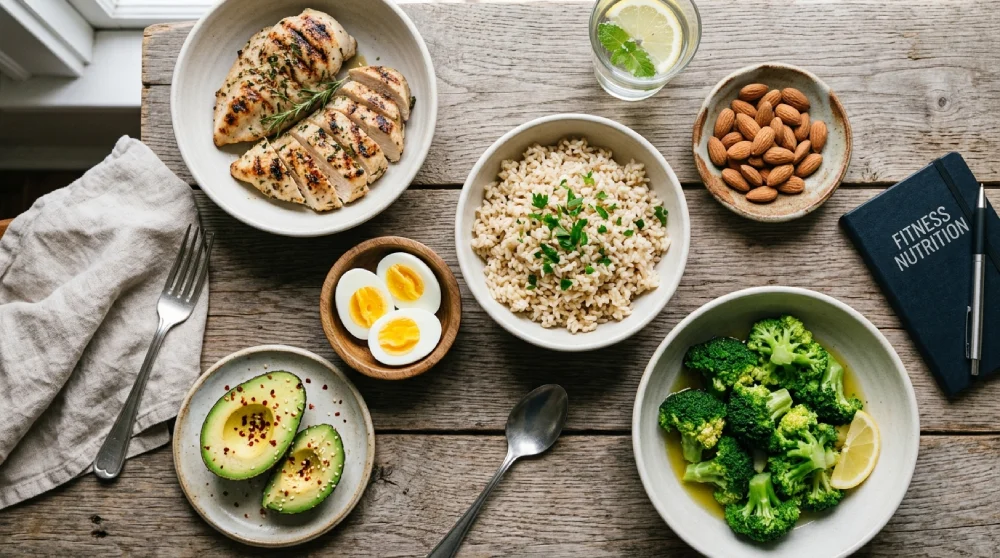
When you go this route, you get:

  • Ready-to-eat diet meal plan dubai meals made by experts
  • Convenient meal prep dubai options that save hours every week
  • Budget-friendly choices like cheap healthy meal plans dubai without skimping on quality

In short, someone else does the work, and you get to eat nutritious meals without thinking twice.

Top Healthy Meal Delivery Services in Dubai

Dubai has no shortage of options. Here’s a quick guide to the services people are loving in 2026:

ServiceSpecialtyPopular PlanPrice Range
NutriBoxFitness-focused mealsMeal plan muscle gainAED 650/week
HealthyChefBalanced diet7 day meal plan for muscle gainAED 450/week
FitFoodLow-carb & ketoLow carb meal plan dubaiAED 550/week
FreshPrepBudget-friendlyCheap healthy meal plans dubaiAED 350/week
MuscleFuelHigh-protein mealsHigh protein meal prep for muscle gainAED 700/week

The best part? They all focus on fresh ingredients, tasty meals, and on-time delivery. So whether you’re training for muscle gain or just want to eat clean, you’re sorted.

Meal Plans for Muscle Gain

If your goal is building muscle, this is where things get exciting. Meal prep for muscle gain makes sure your body gets exactly what it needs without you having to track everything manually.

Here’s what works:

  • Pick a diet plan for muscle gain with around 30–40% protein per meal
  • Include high protein meal prep for muscle gain like chicken, fish, eggs, or tofu
  • Stick to a 7 day meal plan for muscle gain so your nutrition stays consistent
  • Pair it with workouts for the best results

Even pre- and post-workout nutrition is covered with gym food dubai, designed to give energy and aid recovery.

Meal Plans for Muscle Gain

Eating Healthy Without Breaking the Bank

You don’t have to spend a fortune to eat well. Plenty of cheap healthy meal plans dubai deliver quality meals at a reasonable price. Here’s how to get the most value:

  • Go for weekly subscriptions instead of daily orders
  • Stick to standard portion sizes
  • Compare meal plans dubai for seasonal deals

Even on a budget, you can still enjoy a low carb meal plan dubai or protein-rich options for muscle gain.

How to Choose the Right Service

Picking the right service really comes down to your goals. Think about this:

  • Weight loss: Low-calorie or low-carb meals work best
  • Muscle gain: Focus on high-protein meals with structured meal prep for muscle gain
  • Busy lifestyle: Flexible meal prep dubai delivery schedules are lifesavers
  • Budget-conscious: Look for cheap healthy meal plans dubai or combo deals

Always check reviews and ask about ingredients—there’s nothing worse than a “healthy meal” that isn’t actually healthy.

Sample 7-Day Muscle Gain Meal Plan

Let’s make this real. Here’s a 7 day meal plan for muscle gain you could get from most services:

DayBreakfastLunchSnackDinner
MonOatmeal + protein shakeGrilled chicken + quinoaGreek yogurtSalmon + roasted veggies
TueEggs + avocado toastTurkey wrapProtein barBeef stir-fry + brown rice
WedSmoothie bowlTuna saladAlmondsChicken curry + cauliflower rice
ThuCottage cheese + berriesChicken quinoa bowlBoiled eggsGrilled fish + steamed veggies
FriProtein pancakesLentil saladHummus + veggiesBeef steak + sweet potato
SatScrambled eggsChickpea saladProtein shakeBaked salmon + broccoli
SunOvernight oatsGrilled chicken wrapMixed nutsTurkey meatballs + zucchini noodles

See? Meal prep for muscle gain doesn’t have to be boring or repetitive.

Why Healthy Meal Delivery Works

Here’s why it makes sense:

  • Saves time: No cooking, no grocery trips
  • Balanced nutrition: Meals designed by professionals
  • Customizable: Weight loss, muscle gain, or any diet need
  • Consistent quality: Fresh, portion-controlled, reliable
  • Supports workouts: Gym food dubai fuels performance and recovery
meal plans dubai

Tips to Make Your Plan Work

  • Track macros to ensure you hit protein, carbs, and calories
  • Switch meals regularly to avoid boredom
  • Drink plenty of water for digestion and recovery
  • Pair your diet meal plan dubai with workouts for best results

A little indulgence here and there is fine—but if most meals come from healthy meal plans dubai, you’re on the right track.

Conclusion:

Healthy meal plans dubai make eating right simple, practical, and even enjoyable. From high-protein muscle-building meals to budget-friendly options, there’s something for everyone. Stick to a plan, stay consistent, and hitting your fitness or health goals becomes way easier than you think.

Frequently Asked Questions

What’s the cost of healthy meal plans dubai?

Typically AED 350–700 per week depending on portion size and customization.
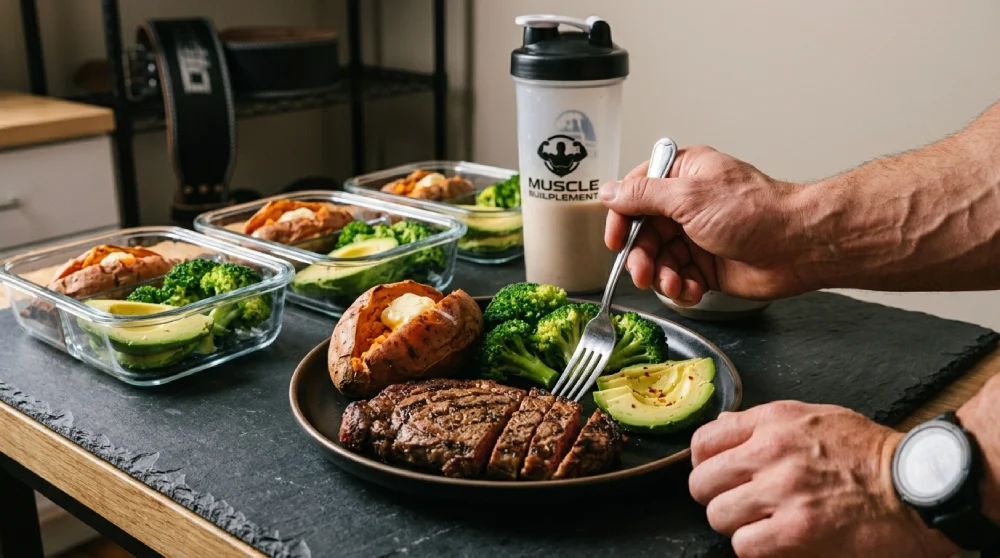
Can I get a low carb meal plan dubai daily?

Yes, many services offer daily or weekly delivery, including keto, low-carb, or high-protein options.

Are there meal plans for muscle gain?

Absolutely. Meal prep for muscle gain with high-protein, structured meals is widely available.

Can I customize my diet meal plan dubai?

Yes. Adjust calories, macros, and ingredients based on your needs.

Which services offer cheap healthy meal plans dubai?

FreshPrep and similar services focus on affordable, quality meals.

How do I know meals are fresh?

Top services prep meals daily, source locally, and use packaging to keep meals fresh.

Can I get gym food dubai delivered?

Yes, pre- and post-workout meals are available for energy and recovery.

Are vegetarian or vegan healthy meal plans dubai available?

Yes, many services offer fully plant-based or hybrid options.

How do I track nutrition with meal plans?

Use apps to log diet plan for muscle gain or daily macros for best results.

How fast can I get a 7 day meal plan for muscle gain?

Most services deliver within 24–48 hours, so you can start immediately.

Affordable Diet Food Delivery Options for Fitness Goals

Diet food delivery is a total game-changer. No kidding. You don’t have to spend hours in the kitchen, stressing over what’s healthy, what hits your protein, what keeps calories low. Imagine opening your fridge and bam, meals are already ready to go. You heat, you eat, you crush your day.

And here’s the best part: whether you’re trying to build muscle, lose fat, or keep your blood sugar steady on a diabetic diet, meal delivery has got you. Think high protein foods, low calorie meals, and meals that actually taste good. No more sad chicken and broccoli bowls.

Why Diet Food Delivery Works So Well?

Prepping meals every day is exhausting. Life is busy. Work, gym, family, errands, it all adds up. That’s why diet food delivery makes sense:

  • Consistency without thinking: You don’t have to calculate macros, count calories, or guess portion sizes. It’s all done for you.
  • Time back in your life: No chopping, no cooking, no cleaning. That’s hours saved every week.
  • Tailored to your goals: Want a protein diet meal plan for gains? Done. A vegan diet meal plan? Easy. Fat loss or low calorie meals? Sorted.
  • Keeps you on track: Skipping meals or grabbing takeout because you’re busy? That’s history.

Seriously, once you try it, you’ll feel like you have a personal chef—but cheaper and way more practical.

How to Pick the Right Meal Plan

Not all meal deliveries are the same. Some are for muscle food, some for weight loss, some just make life easier. Here’s what to look for:

Types of Meal Delivery Plans

  • Protein-packed meals: Perfect if you’re looking to grow muscle. Full of high protein low calorie foods that keep gains coming without extra fat.
  • Vegan options: Lentils, chickpeas, tofu—the works. Ideal for a vegan diet meal plan.
  • Diabetic-friendly: Balanced carbs, fiber, and lean proteins make sticking to a diabetic diet easy.
  • Weight loss-focused: Meals that are filling but still low calorie meals so you feel satisfied but stay on track.
Meal Delivery in Abu Dhabi

Healthy Meal Delivery in Abu Dhabi

If you’re in Abu Dhabi, you’re in luck. Many services offer healthy meal delivery Abu Dhabi, with fresh ingredients and meal options that actually make sense. Not in Abu Dhabi? Don’t worry—healthy food delivery has you covered online.

How to Choose the Best Service

Here’s the easy way:

  1. Look at the menu: Do they offer plenty of high protein foods?
  2. Check portion sizes: Are they enough for foods to gain muscle, or smaller if you’re cutting calories?
  3. Flexibility: Can you swap meals, pause, skip weeks? Life happens.
  4. Read reviews: Freshness, taste, reliability—these matter more than fancy ads.

Sample Diet Food Delivery Options

Meal TypeGoalCaloriesProtein (g)Delivery Frequency
Grilled Chicken & VeggiesMuscle building45040Daily/Weekly
Quinoa & Chickpea BowlVegan diet meal plan35015Daily/Weekly
Baked Salmon & BroccoliHigh protein foods50042Daily/Weekly
Zucchini Pasta w/TurkeyLow calorie meals30020Daily/Weekly
Mixed Bean SaladDiabetic diet25012Daily/Weekly

Pro Tips to Maximize Your Diet Food Delivery

  • Pair with workouts: If you’re going for muscle food, your meals actually work harder for you.
  • Track calories and protein: Helps your healthy diet meal plan hit its mark.
  • Mix with home meals: For variety and cost savings.
  • Snack smart: Greek yogurt, boiled eggs, or nuts are awesome high protein low calorie foods.
  • Adjust portions: Bigger for muscle gains, smaller for fat loss.

Sample Weekly Plan

  • Monday: Grilled chicken, quinoa, roasted veggies (450 cal, 40g protein)
  • Tuesday: Vegan lentil salad with avocado (350 cal, 15g protein)
  • Wednesday: Baked salmon, broccoli, sweet potato (500 cal, 42g protein)
  • Thursday: Zucchini pasta with turkey meatballs (300 cal, 20g protein)
  • Friday: Mixed bean salad (250 cal, 12g protein)
  • Saturday: Protein smoothie bowl (400 cal, 30g protein)
  • Sunday: Snack day—high protein foods like boiled eggs or cottage cheese

Why Protein Is Your Best Friend

Protein is basically your secret weapon:

  • Helps you build muscle (muscle food) with high protein low calorie foods.
  • Keeps you full—no more random snacking.
  • Perfect for foods to gain muscle without adding fat.

Cost Considerations

  • Prices depend on portion, frequency, and type of meal.
  • Trial packs are great for testing healthy meal delivery Abu Dhabi without spending too much.
  • Mix delivery with home meals to save even more.
Diet Food Delivery

Quick Ways to Save

  • Weekly subscriptions = cheaper than daily orders.
  • Skip express delivery—it’s more expensive.
  • Always check for first-time customer deals.

Conclusion:

Most services allow you to change the number of meals or servings in your plan even after you’ve started. Our meal delivery experts have logged more than five years and have cooked more than 75 meal kits, and tested more than 100 prepared meals, from popular services to help land on our list of the best and cheapest meal delivery services in Abu Dhabi.  

Frequently Asked Questions

What is diet food delivery?

Ready-to-eat, pre-portioned meals that hit your goals—muscle, fat loss, or general health.

Can I customize my meals?

Yes! Choose by calories, protein, or diet type like vegan diet meal plan or diabetic diet options.

How many calories are in these meals?

Most low calorie meals are 250–500 calories depending on portion and protein.

Is diet food delivery expensive?

Depends. Weekly or monthly plans save money. Mixing in home meals helps too.

Can I gain muscle with diet food delivery?

Absolutely! Meals with high protein foods are perfect for muscle food.

Are vegan meal options available?

Yes, a vegan diet meal plan gives all your protein from plants.

Are diabetic-friendly meals available?

Yes, meals focus on fiber, controlled carbs, and lean proteins.

How often are meals delivered?

You can usually pick daily, weekly, or bi-weekly.

Will diet food delivery help with weight loss?

Yes. Low calorie meals with proper portions make fat loss easier.

What are the best foods to gain muscle?

Chicken, salmon, eggs, tofu, legumes basically high protein low calorie foods for foods to gain muscle.

Quick Easy Healthy Meals for Busy Ramadan Days

You know the feeling. It’s an hour to Iftar, you’ve been fasting all day, and you just need to eat something good. Something that doesn’t take forever to make. That’s what we’re talking about here. Quick easy healthy meals are the only goal. Not fancy. Just real food, fast.

Here’s the simple truth: your kitchen can be your best helper this month. Not your biggest chore. With a tiny bit of thinking ahead, you can have healthy meals for dinner that don’t drain you. Let’s get into how.

Your No-Stress Kitchen Strategy

First, let’s talk prep. Don’t think of it as a big cooking day. Think of it as giving your future self a gift. Pick one calm hour. Maybe after Suhoor on a Friday. In that hour, do just a few things. Chop an onion and a pepper. Cook a pot of rice. Put some chicken in a container with yogurt and spices. That’s it. 

Healthy Meal Prep

The Real Magic of Healthy Meal Prep

Now, for the next few days, making dinner is just grabbing and cooking those pieces. This is the real magic of healthy meal prep recipes. It makes everything feel easier. And please, use your shortcuts. That slow cooker on your shelf? Use it. Throw in some meat, broth, and veggies in the morning. 

When you break your fast, a warm soup or stew is waiting. That’s what healthy crockpot meals are for, peace of mind. And frozen vegetables? They’re a lifesaver for quick easy healthy meals. A bag of frozen spinach or peas cooks in minutes.

Here’s a cheat sheet for when you’re in a pinch:

Grab This…For IftarFor Suhoor
ProteinA can of chickpeas, some pre-cooked chicken, or eggs.Greek yogurt, a boiled egg, or a handful of nuts.
VeggiesA bag of pre-washed salad or steam-in-bag frozen broccoli.A cucumber, some cherry tomatoes, a carrot.
Carbs for EnergyA whole wheat pita or a pouch of pre-cooked quinoa.Oatmeal or a slice of whole grain bread.

For Suhoor, think of foods that stick with you. Oatmeal with a spoonful of peanut butter. Yogurt with fruit. Eggs. These easy healthy meals help you feel full longer. And if you’re in Abu Dhabi and your schedule is crazy, remember that a healthy meal delivery Abu Dhabi service is a perfectly smart choice. It takes thinking and cooking right off your plate.

Eating Well Without Spending Too Much

Good food doesn’t need to be expensive. Cheap healthy meals start with a bag of lentils, a dozen eggs, or a can of beans. A big pot of lentil soup costs very little and fills you up. Buy what’s in season, those vegetables are always cheaper.

When Even Cooking Feels Like Too Much

Some days, you’re just done. No energy, no patience, no desire to cook. On those days, the goal isn’t a “proper” meal. The goal is eating. A bowl of yogurt, some fruit, a handful of nuts, and a piece of bread counts. Hummus and crackers count. Leftovers count. Feeding yourself is enough.

Keep a Few Emergency Foods Around

This is important. Always have backup food. Stuff that doesn’t need thinking or cooking. Canned beans. Eggs. Frozen veggies. Bread. Peanut butter. When you’re tired and hungry, these save you from ordering junk or skipping meals.

easy healthy meals

Don’t Overdo Suhoor

Suhoor doesn’t need to be heavy. It just needs to be smart. Foods with protein and fiber will carry you through the day better than greasy or super sweet things. Yogurt, oats, eggs, fruit. Simple combinations that actually help.

  • Hydration Is Part of the Meal

Sometimes it’s not hunger. It’s dehydration. Drink water slowly after Iftar. Add soups, fruits, and yogurt. These help more than sugary drinks. When you hydrate properly, everything feels easier.
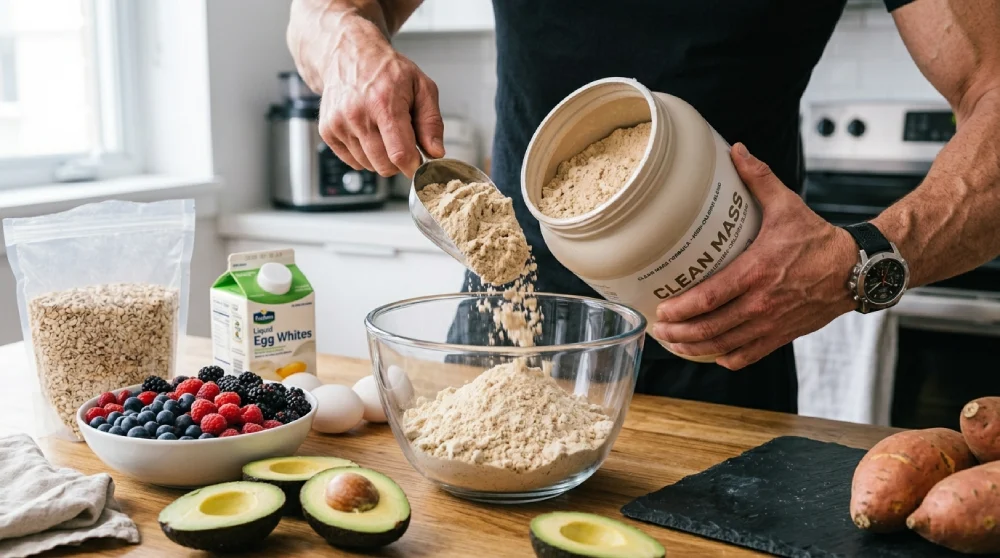
  • Let Go of “Perfect” Eating

Not every day will be balanced. Some meals will be light. Some will be repetitive. That’s normal. Ramadan isn’t about perfect plates. It’s about taking care of yourself while you fast. If the meal was quick, nourishing, and didn’t exhaust you, you did great.

Conclusion:

At the end of the day, be kind to yourself. Some nights, a quick easy healthy meal is just a bowl of soup and some bread. That’s perfectly fine. This way of eating saves so much mental energy, especially right before Iftar. Feed your body, save your energy, and enjoy your evening. 

Frequently Asked Questions

What’s the fastest thing I can make for Iftar?


Scramble some eggs with spinach and toast a piece of whole wheat bread. It’s warm, filling, and done in under 10 minutes.

What should I eat at Suhoor to not get thirsty?


Go for cucumbers, watermelon, yogurt, and oats. They help your body hold onto water. Go easy on salty chips or super-sweet pastries.

Are frozen vegetables actually healthy?


Yes. They’re frozen right after picking, so they keep their vitamins. They’re the easiest way to add greens to your quick easy healthy meals.

What’s a cheap protein I can use all week?


Lentils and eggs. A carton of eggs can make scrambles, omelets, or be boiled for snacks. They’re the base of so many cheap healthy meals.

What does a simple heart-healthy meal look like?


Grilled fish or chicken, a big pile of any green vegetable, and a small serving of brown rice or sweet potato. A classic heart healthy meals plate.

Can I use my slow cooker without making bland food?


Yes! The trick is to use enough seasoning. Don’t be shy with garlic powder, cumin, or paprika. It makes all the difference for healthy crockpot meals.

Is meal delivery really helpful for a family?


It can be a huge help. A good healthy meal delivery abu dhabi service means one less thing to worry about. The meals are balanced, and there’s no cleanup.

I need more protein to feel full. Any easy ideas?


Stir a can of white beans into your soup. Add a scoop of cottage cheese to your Suhoor plate. Simple high protein additions that work.

How long can I keep prepped food in the fridge?


Cooked grains and roasted vegetables are usually good for 3 to 4 days. Just keep them in sealed containers.

What if I have zero energy to cook Iftar?


Have a no-cook backup. Hummus, whole wheat crackers, sliced cheese, olives, and cut-up veggies make a perfect, easy plate. A true easy healthy meal rescue.

Full Body Home Workout for Fat Loss: Burn Calories in 20 Minutes

If you want to burn fat, get stronger, and actually feel your body changing, a full body workout at home is where it’s at. Forget the gym, forget waiting in line for machines. You’ve got 20 minutes, your body, and a little floor space. That’s enough.

And here’s the deal, every move you do hits multiple muscles. Arms, legs, core, back, you’ll feel it working. You’ll sweat. You’ll burn calories. You’ll know you did something.

Why a Full Body Workout Works

Here’s the truth: a full body workout is smart because it hits everything in one session. You’re not wasting time on just arms or just legs. You get:

  • More calories burned in less time
  • Metabolism stays high even after the workout
  • Muscle tone all over like arms, legs, abs, back
  • Endurance and strength, all in one go

Even beginners can do this. Start small, stick with it, and the results come faster than you think.

Must-Do Home Workout Exercises

Here’s what to do. No fancy equipment, just your body. These home workout exercises cover everything:

  • Push-Ups – chest, arms, shoulders. Keep your core tight, don’t sag.
  • Bodyweight Squats – legs and glutes. Go slow, go deep, feel it.
  • Lunges – balance, coordination, legs. Step, push, repeat.
  • Plank – core strength. Hold it, don’t drop your hips.
  • Burpees – full body fat burner. Yes, they’re tough, do them anyway.
  • Mountain Climbers – core and cardio. Quick, controlled, burn that belly fat.

This is your full body workout blueprint. Hit it, and your whole body gets stronger.

Quick Table for Beginners

ExerciseTarget AreaReps / Time
Push-UpsChest & Arms10-15 reps
SquatsLegs & Glutes15-20 reps
PlankCore30-60 sec
LungesLegs10 per leg
BurpeesFull Body/Cardio10-12 reps
Mountain ClimbersCore & Cardio30 sec

How to Do a 20-Minute Full Body Workout

Here’s the way to do it. Follow me. No overthinking.

Warm-Up (3 minutes)

  • Jumping jacks – 1 minute, get your heart moving
  • Arm circles – 1 minute, loosen those shoulders
  • Hip rotations – 1 minute, loosen your hips and lower back

Workout Circuit (15 minutes)

  • Push-Ups – 12 reps. Keep your core tight, chest down
  • Squats – 15 reps. Go deep, squeeze glutes on the way up
  • Plank – 45 seconds. Don’t let hips drop
  • Lunges – 10 per leg. Step forward, push back, balance
  • Burpees – 10 reps. Jump, plank, push-up, stand. Feel it.
  • Mountain Climbers – 30 seconds. Fast, controlled, burn that core

Cool Down (2 minutes)

  • Stretch legs, arms, shoulders
  • Deep breath in… slow breath out… heart rate coming down. Good job.

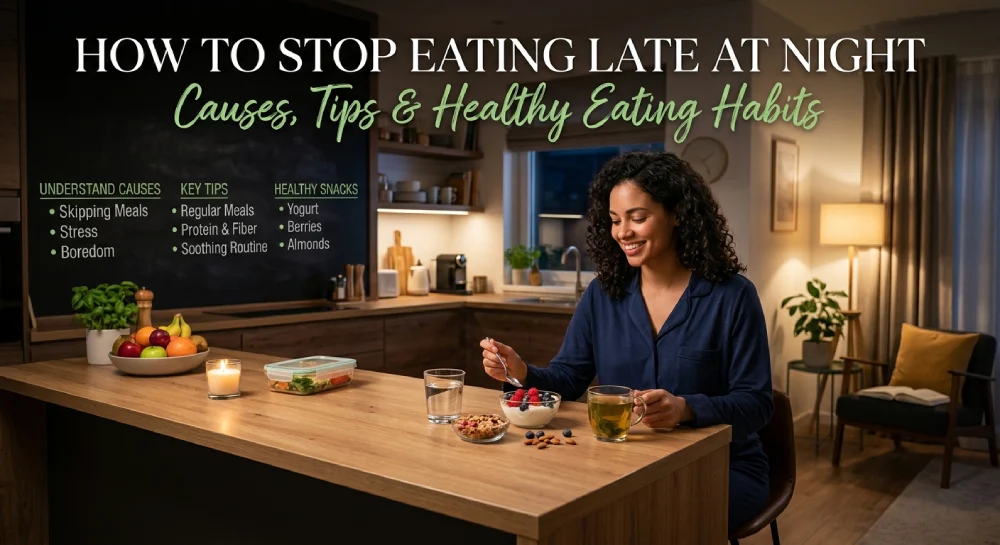
Beginner Tips That Actually Help

Starting is the hardest part. Here’s the truth:

  • Focus on form, not reps. Better slow and correct than fast and sloppy
  • Increase intensity gradually, week by week
  • Add some strength training at home—push-ups, planks, bridges
  • 20 minutes counts. Don’t skip.
  • Track progress—jot down reps, time, photos. Motivation guaranteed.

Strength Training Without Weights

No dumbbells? No problem. A bodyweight workout can get you strong:

  • Push-Up variations: wide, diamond, incline
  • Glute bridges and leg raises
  • Plank to push-up
  • Optional: resistance bands for a little extra burn

Even small adjustments make a huge difference.

Don’t Forget Your Back

Most people skip this. A bodyweight workout back focus is key:

  • Superman holds – lower back
  • Reverse snow angels – upper back
  • Plank to push-up – core + back

Strong back = better posture, less injury risk, better results.

Fat Loss Tips That Actually Work

For exercises to lose belly fat, this is how it works:

  • Stick to full body workouts 3-4 times a week
  • Add high-intensity moves to burn more calories
  • Stay active during the day—walk, stairs, quick bursts of movement
  • Eat smart. No workout can outdo a bad diet

Consistency beats everything. Show up, push, sweat, repeat.

Full body workout

Recommended At-Home Workout Programs

Want structure? Try:

  • Beginner-friendly bodyweight workouts
  • HIIT routines for fat loss
  • Light strength training at home
  • Optional video guides or apps

These keep your full body workouts easy, doable, and effective.

Track Your Progress

Tracking keeps you motivated:

  • Log reps, sets, and time
  • Take weekly photos
  • Measure waist, arms, and hips
  • Track endurance and strength improvements

Conclusion:

It helps your at home fitness routine get better every week.  Do 2-3 rounds depending on your fitness. Keep moving, don’t stop. That’s a full body workout. Every muscle firing, every calorie burning.

Frequently Asked Questions

How often should a full body workout be done at home?


3-4 times per week. Rest days matter to recover and burn fat.

Can bodyweight exercises help lose belly fat?


Yes. Pair with diet and consistency for best results.

Do I need equipment for full body workouts?


Nope. Most home workout exercises just use your body. Bands/dumbbells are optional.

How long should a session last?


20 minutes. Enough to burn calories, tone muscles, and improve fitness.

What order is best for exercises?


Warm-up, compound moves, core, cardio, cool down. Easy.

Can beginners safely do these workouts?


Totally. Start slow, focus on form, increase intensity gradually.

How to make workouts harder?


Add reps, shorten rest, try variations, or use bands.

Are full body workouts better than split routines?


For fat loss at home? Yes. Burns more calories in less time.

Should I track progress?


Absolutely. Photos, reps, and endurance keep motivation high.

Can these workouts replace the gym?


Totally. Full body workouts at home burn fat, build strength, and improve endurance.

The Best Weight Loss Meal Plans for Dubai’s Busy 2026 Lifestyle.

A meal plan for weight loss is the difference between control and chaos. Dubai moves fast. Work starts early. Days stretch long. Meals happen between traffic, meetings, and social plans. Skip planning, and your plate decides for you. This guide tells exactly how a meal plan for weight loss works in real Dubai life with clean food, habits you can repeat and see results will follow.

Why a Meal Plan Matters in Dubai’s Everyday Routine

Busy days do not ruin progress. Random eating does.

Skip breakfast, overeat at lunch. Late dinner, heavy takeout. Repeat. Fat sticks. Energy crashes. A structured meal plans for weight loss fixes this:

  • Plan meals before hunger hijacks decisions
  • Keep portions steady without obsessive counting
  • Support a healthy body fat percentage safely
  • Remove daily food guesswork

In Dubai, planning meals is survival, not discipline.

Clean Eating Without Overthinking It

Clean eating is simple. Food that works, not food that fights you. No fancy recipes. No strict rules. A meal plans for weight loss succeeds on repeatable, clean choices.

  • Minimally processed foods
  • Nutrient-dense foods
  • Meals that can repeat without boredom

Foods That Carry the Plan

  • Vegetables for volume, not calories
  • Salad with protein, not drowning in dressing
  • Lean proteins for hunger control
  • Healthy fats in measured amounts

Simple foods, consistent results.

Nutrient Dense Foods

Most Nutrient Dense Foods for Busy Days

The most nutrient dense foods give max benefit with minimal effort.

  • Leafy greens
  • Eggs
  • Greek yogurt
  • Fatty fish
  • Berries

Eat them regularly. A meal plan for weight loss thrives on consistency.

Understanding Healthy Body Fat Targets

Weight loss is not the scale. Body composition is.

  • Healthy body fat percentage keeps energy and hormones balanced
  • Healthy body fat percentage for women is naturally higher, change gradually

A smart meal plan for weight loss focuses on fat loss, keeps muscle intact.

Simple Daily Meal Plan That Works

TimeMealPurpose
MorningEggs with vegetablesProtein, focus
MiddayGrilled chicken saladLight, filling
SnackNuts or yogurtEnergy control
EveningFish with vegetablesLight, digestible

Stable energy. Hunger managed. Consistent meal plan for weight loss.

Meal Prep Delivery Makes Consistency Easy

Daily cooking is a luxury most cannot afford. Meal prep delivery and meal plans delivery solve this. Busy weeks need structure.

  • Portion control without thinking
  • No daily cooking stress
  • Professional diet meal plans delivered

Diet meals delivered turn a meal plan for weight loss into habit, not effort.

meal plan for weight loss

Healthy Meal Prep Ideas at Home

Repeatable, simple prep beats fancy every time.

  • Batch-cooked lean proteins
  • Roasted vegetables for quick meals
  • Ready salad mixes
  • Easy snacks with clean simple eats protein

Reliable healthy meal plan, low daily work.

Keep Meals Interesting

Dubai life is social. Food can be varied without breaking structure.

  • Mediterranean bowls
  • Light stir-fries
  • Grilled Middle Eastern plates

Enjoyable meals = consistent meal plan for weight loss. Whole food first. Fruit and vegetable supplements fill gaps, not replace meals. They support a meal plan for weight loss, never replace it.

Choosing the Best Meal Plan for 2026

Best meal plan for weight loss in Dubai is:

  • Flexible in timing
  • Focused on nutrient-dense foods
  • Realistic calories
  • Compatible with meal prep delivery services

Consistency beats perfection.
Common Mistakes That Slow Weight Loss

  • Skipping meals during work
  • Relying on restaurant portions
  • Heavy late-night meals
  • Overusing sauces and oils
  • Chasing fast results instead of steady progress

Fix these. A meal plan for weight loss removes them automatically.

How Social Life Fits

Dubai has dinners, outings, and events. Weight loss does not mean avoiding them.

  • Eat protein and veggies early
  • Keep restaurant meals simple
  • Stop eating when satisfied
  • Return to the plan next meal

One meal does not ruin progress. Consistency matters.

Quick Tips to Stick to Your Meal Plan

Consistency beats perfection. Choose meals you can repeat without thinking too much. Prepare snacks and proteins in advance. Keep water handy and avoid skipping meals, even on the busiest days. Small habits like these make a meal plan for weight loss stick and prevent unhealthy cravings from taking over.
Eating Out Without Ruining Progress

Dubai has endless restaurants and cafes, but eating out does not have to sabotage fat loss. Choose grilled proteins, lots of vegetables, and skip heavy sauces. Watch portion sizes and eat slowly. Enjoy social meals, but get back to your meal plan for weight loss at the next meal. One meal off plan does not undo your efforts.

Long-Term Results Come From Habits

Repeat what works.

  • Similar breakfasts
  • Rotating lunches
  • Light dinners
  • Planned meals weekly

This protects energy, supports a healthy body fat percentage, and keeps weight loss steady.

Conclusion:

A meal plan for weight loss is not about perfection. It is about doing the right thing repeatedly. Busy mornings? Simple protein. Long afternoons? Steady meals. Late nights? Light dinners. Repetition, balance, and structure beat random choices every time.
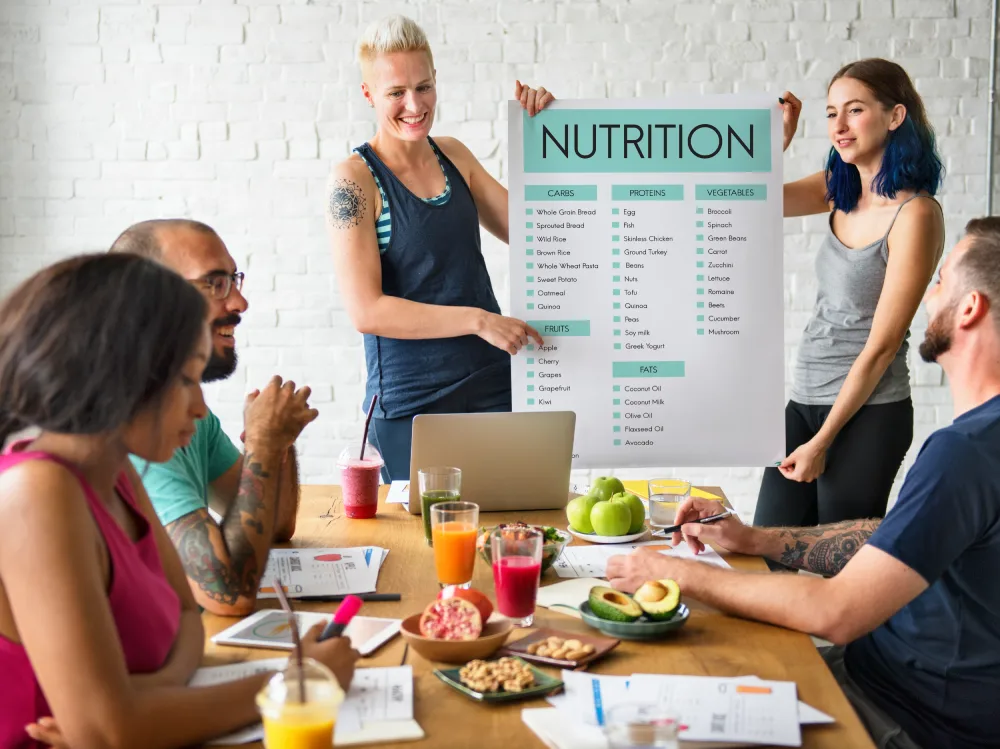

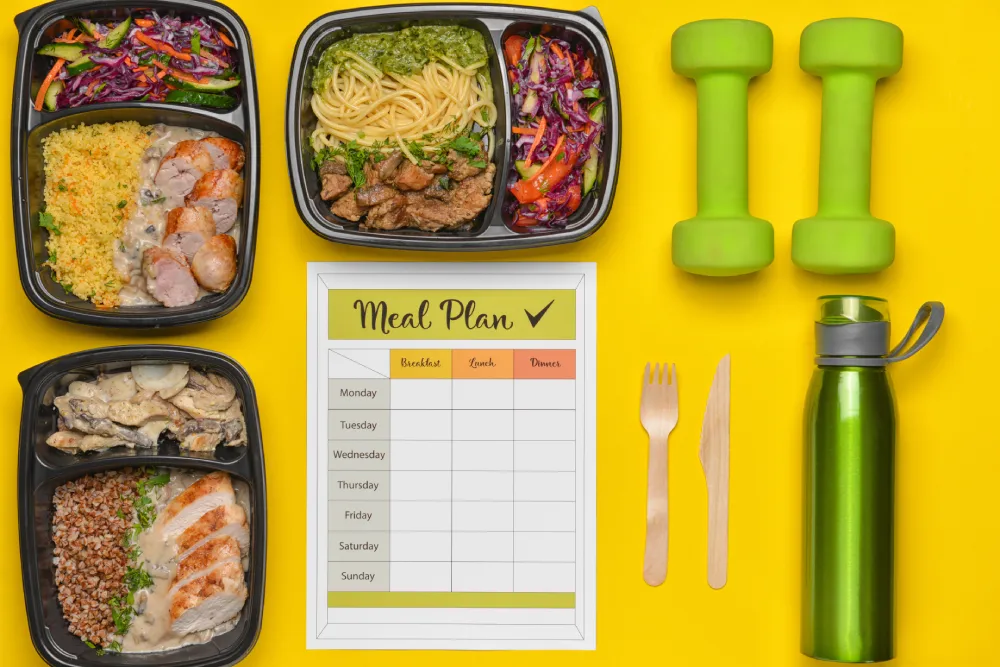
Dubai success stories are not extreme. They follow clean food most of the time, prep ahead, use smart delivery when needed. That is how a meal plan for weight loss becomes normal life, not a short-term effort.

Frequently Asked Questions

What makes a meal plan for weight loss effective in Dubai?

Fits long work hours, traffic, heat, and social life. Meals must be balanced, repeatable, and easy to follow.

How many meals per day?

Three meals and one or two snacks keep energy steady and hunger in check.

Are meal prep delivery services worth it?

They save time, remove decision fatigue, and make consistency easy.

Does clean eating help fat loss?

Yes. Less processed food, stable blood sugar, better digestion, sustainable habits.

How important is protein?

Essential. Controls appetite, protects muscle, supports metabolism.

Should carbs be avoided?

No. Whole carbs support energy and focus without hurting fat loss when portions are controlled.

Is healthy body fat the same for everyone?

No. Varies by age, gender, activity. Women are naturally higher.

Can supplements replace fruits and vegetables?

No. Supplements fill gaps but do not replace whole foods.

How soon are results visible?

Three to four weeks with consistent, balanced meals and portion control.

Why do people fail?

Over-restriction, lack of prep, social pressure, and plans that do not fit daily life.