
An athlete diet plan is basically just how an athlete eats every single day so the body keeps working properly, stays strong, and recovers after training.
Nothing complicated. Just food, water, timing… all working together.
Now in hot weather, everything becomes harder. The body starts sweating more, water keeps dropping, energy goes down faster, and even normal training starts feeling heavy.
That’s exactly why a proper athlete food plan matters so much in heat. Because here, food is not just food anymore… it is fuel, recovery, and protection for the body all at once.
And the main idea is very simple: keep the body from running out of energy.
How an Athlete Diet Plan Actually Works (Simple Way)
Think about it like a cycle.
Train → body gets tired → eat → body gets repaired → sleep → repeat.
That’s it.
A good athlete diet plan just keeps this cycle smooth so nothing breaks down.
When it’s working properly, you feel it like this:
- Energy stays steady, not going up and down
- Training doesn’t feel like a struggle every time
- Recovery doesn’t take too long
- Body doesn’t feel completely drained at the end of the day
It’s not about eating perfect food. It’s about eating smart, again and again.
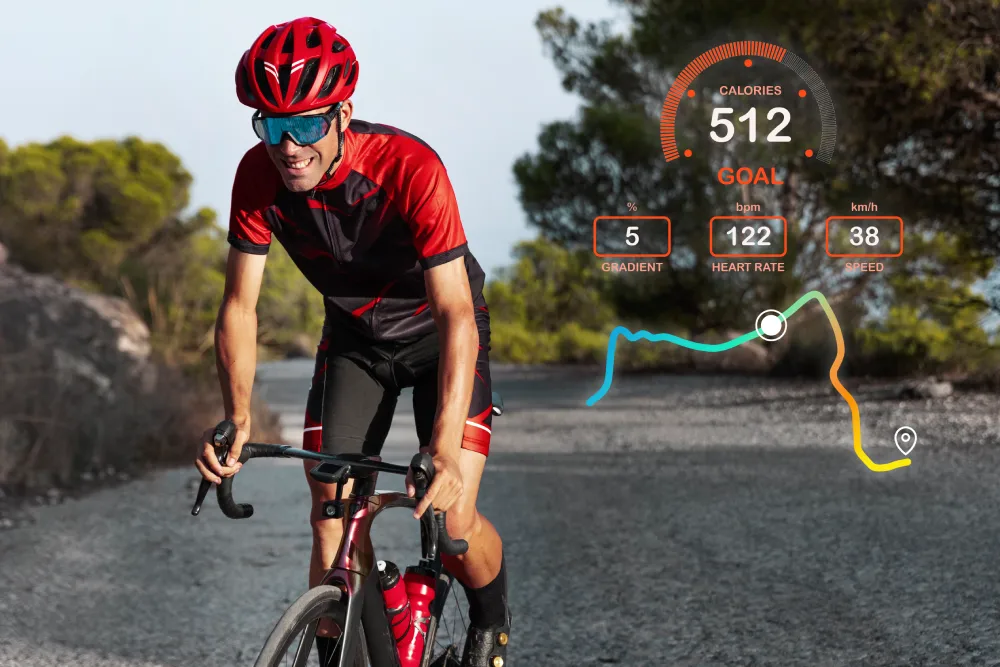
Hot Weather Changes Everything
Now this is where things really shift.
In heat, the body is constantly trying to cool down. So sweat increases, water goes out fast, and energy drops quicker than expected.
So a normal eating routine just doesn’t work.
A proper athlete diet plan in hot weather naturally becomes like this:
- Drinking water again and again, all day
- Eating lighter before training so body doesn’t feel heavy
- Choosing foods that feel fresh and easy
- Replacing salt and minerals lost through sweat
Simply put… in heat, the athlete diet plan is less about heavy food and more about keeping the body cool, hydrated, and balanced.
What Athletes Actually Eat Every Day
A real athlete diet plan always comes back to basic, simple food.
Like:
- Rice, oats, bread for steady energy that lasts
- Bananas, oranges, watermelon
- Eggs, chicken, fish and lentils
- Coconut water for natural recovery and minerals
That’s really it.
Nothing fancy. Nothing extreme. Just real food the body knows how to use.
Hydration is Everything (Seriously)
If there is one thing that controls performance… it is water.
Even the best athlete diet plan becomes useless if hydration is low.
In hot weather:
- Water should be taken again and again, not just when thirsty
- Small sips during training work better than waiting till the end
- After heavy sweating, salt and minerals must go back into the body
- Coconut water or natural drinks help bring balance quickly
Because the moment water drops, everything drops… energy, strength, focus, everything.
That’s why hydration is not “extra”… it is the base of any diet plan.
Before Training and After Training Eating
This is where most people either improve fast… or struggle.
Before training:
Keep it light. Always.
- Just enough carbs for energy
- Easy food that digests fast
- No oily or heavy athlete meal plan
Because nobody performs well with a full heavy stomach.
After training:
Now the body needs repair mode.
- Protein starts fixing muscles
- Carbs refill energy stores
- Fluids bring everything back to normal
A proper athlete diet plan always respects this timing. This is where real progress actually happens.
Endurance Sports Nutrition Like Cycling
For long training, the goal is simple… don’t run out of fuel.
In a fuel for cycling athlete diet plan:
- Bananas help when energy suddenly drops
- Light snacks keep fuel going
- Water is taken again and again during ride
- Small carb intake prevents energy crash
It’s not about eating a lot but it’s about never hitting an empty on cycling diet plan.
Whole Foods Diet Always Win
The body always responds better to real food.
A strong diet plan naturally avoids junk and processed food.
Instead:
- Fresh vegetables daily
- Seasonal fruits
- Home cooked meals
- Simple snacks instead of packaged stuff
Because when food is clean, everything works better:
energy, digestion, recovery, everything.
Carbs Are the Main Fuel
Carbs are not something to fear.
They are literally the main energy source.
A proper athlete diet plan always includes carbs because:
- They power workouts
- They support endurance
- They prevent early fatigue
Simple sources:
- Rice for long energy
- Oats for morning fuel
- Potatoes for strength
- Fruits for quick energy
Without carbs, the body just runs out of fuel too fast.
Plant-Based Foods Also Help a Lot
Not everything needs to be heavy meat-based food.
A balanced athlete diet plan can also include:
- Lentils and beans for protein
- Nuts and seeds for energy
- vega plant based protein forrecovery
- Plant protein when needed
This keeps the body lighter, digestion easier, and recovery smoother.
Common Mistakes That Kill Performance
Even a good athlete diet plan stops working if basics are ignored.
Most common mistakes:
- Skipping meals before training
- Not drinking enough water
- Eating heavy food before workouts
- Ignoring recovery meals
- Depending too much on energy drinks
Fixing even these alone can change performance a lot.
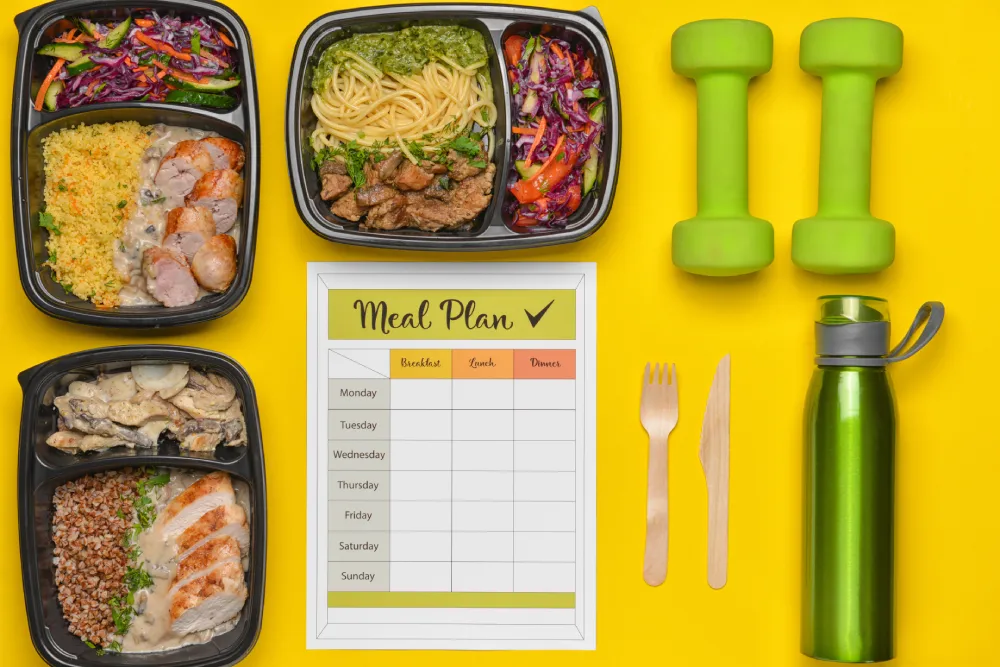
Simple Daily Flow (Real Life Version)
A realistic athlete diet plan looks like this:
- Morning: oats + fruit for steady energy
- Midday: rice + protein + vegetables for strength
- Before training: banana or light snack
- After training: protein + carbs for recovery
- Night: light meal so body can rest
Simple. Repeatable. No confusion.
Conclusion
At the end of the day, a good athlete diet plan is not about strict rules or complicated diets.
It’s just:
- Eating simple food
- Drinking enough water
- Timing meals properly
- Recovering after training
In hot weather especially, these small things become very powerful.
Because when the body is properly fueled and hydrated, everything changes… energy stays up, performance improves, and recovery becomes much faster.
That’s really what a strong plan does… it just keeps the body ready, every single day, without burning out.
Frequently Asked Questions
What exactly is an athlete diet plan?
An athlete diet plan is simply a daily way of eating that keeps energy stable, supports training, and helps the body recover faster.
Why does an athlete diet plan change in hot climates?
Because in heat the body loses more water and minerals through sweat, so the athlete diet plan must focus more on hydration.
What should be eaten before training in a plan?
Before training, light foods like bananas, oats, or fruits work best because they give quick energy without making the body feel heavy or slow during exercise.
How important is water in a diet plan?
Water is extremely important because even slight dehydration can reduce strength, focus, and endurance, especially in hot weather training.
Can plant-based foods support an athlete plan?
Yes, plant-based foods like lentils, beans, nuts, and seeds can fully support energy, muscle repair, and recovery when eaten in the right combinations.
What foods should be avoided in an athlete’s diet?
Processed foods, fried items, sugary drinks, and fast food should be avoided because they slow digestion, reduce energy stability, and delay recovery.
How many meals should an athlete eat in a day?
Most athletes perform better with 4 to 6 small meals a day because it keeps energy stable.
Why are carbohydrates important in a diet plan?
Carbohydrates are the main energy source for the body, helping fuel training sessions and preventing early fatigue.
What is the biggest mistake athletes make in their diet?
The biggest mistake is ignoring hydration and skipping recovery meals, which leads to low energy and slow muscle recovery.