
Working nights is hard. The body wants to sleep. The brain wants to shut down. But here is the thing. A few small changes like diet for night shift workers can turn a miserable night into a manageable one. A good diet for night shift workers does not have to be complicated. It just has to make sense for a body for health goals.
Why the Body Gets Confused on Nights
The body runs on a clock, everything flips upside down. The body does not understand why food shows up at 3 AM. It gets confused. So it stores more fat. It makes less insulin. It holds onto calories like a squirrel getting ready for winter.
Night shift workers are not doing anything wrong. The body is just wired a certain way. So a diet for night shift workers has to work around that wiring. Fight smarter, not harder.
The Big Mistake Most Night Workers Make
Here is what usually happens. Someone wakes up at 4 PM. Messes around the house. Grabs a granola bar or skips food entirely. Runs out the door. Gets to work at 7 PM and is already hungry. So they eat a little something. Then another little something at 9 PM. Then a full meal at 11 PM. Then a snack at 1 AM. Then another snack at 3 AM. Then breakfast when the shift ends.
That is a lot of food spread across the whole night. And the body is not built to handle that.
Flip it around. Eat one real meal before walking out the door. Make it count. Chicken and rice. Eggs and potatoes. A big bowl of pasta with meat sauce. That one meal fuels the first half of the shift. Then eat very little during the actual night hours. The body handles calories way better in the early evening than it does in the middle of the night.

What Protein Does for a Tired Brain
Protein is magic on the diet for night shift workers.
When the brain gets tired, it wants sugar. Sugar gives a quick boost. But that boost crashes hard thirty minutes later. Protein does the opposite. It takes longer to digest. It sends a slow, steady stream of fuel to the brain. No spike. No crash. Just steady energy.
Protein-rich snacks are the secret weapon. A hard-boiled egg. A handful of almonds. A small container of Greek yogurt. A piece of cheese. A few slices of turkey rolled up. These things fit in a lunch bag. They do not need to be heated up. They taste fine cold or at room temperature.
Pack two or three of these every single night. When hunger hits, reach for protein first. The body will thank an hour later when everyone else is crashing.
Carbs Are Not the Enemy of diet for night shift workers.
Some people say carbs are bad. Those people are wrong.
The body needs carbs for energy. The brain runs on glucose. Carbs provide glucose. The problem is not carbs. The problem is the wrong carbs at the wrong time.
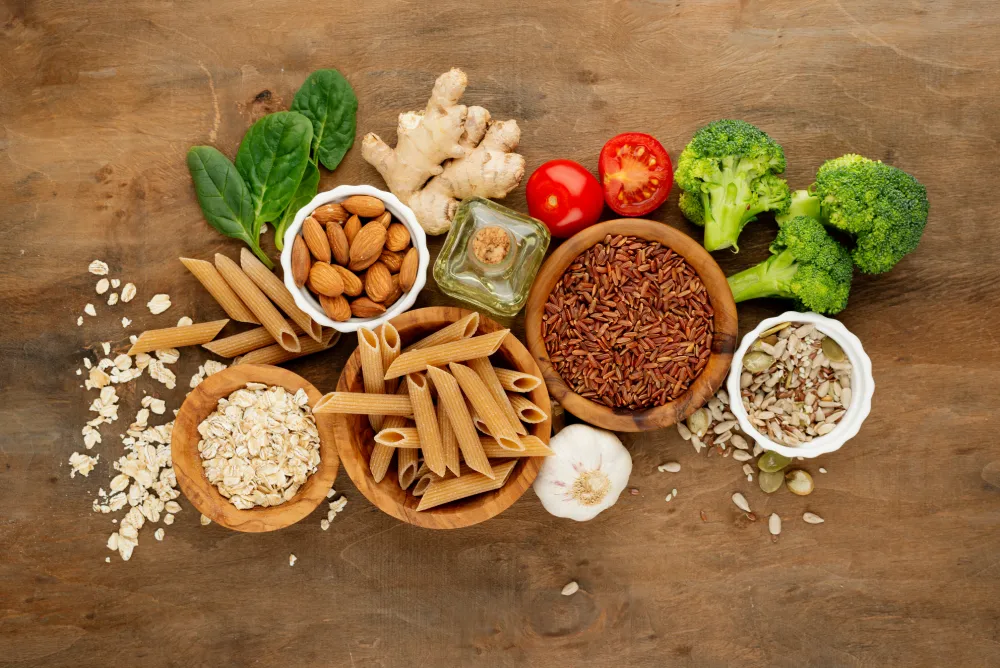
Complex carbohydrates are the good guys. Oats. Brown rice. Quinoa. Sweet potatoes. Beans. Lentils. Whole grain bread. These foods release energy slowly. A bowl of oatmeal before a shift keeps a person alert until 2 AM easily.
Water Gets Forgotten on Nights
Simple carbs are the troublemakers. White bread. White rice. Regular pasta. Sugary cereal. Donuts. Muffins. Candy bars. Chips. These foods spike blood sugar fast. Then drop it even faster. That drop at 3 AM is brutal.
So here is a simple test. If the food looks like it came from a plant and is brown or orange or green, eat it. If the food is white and fluffy or comes in a crinkly wrapper, leave it alone.
People do not feel thirsty on night shifts. The thirst signal does not work as well when the sun is down. So the body gets dehydrated without sending up a red flag.
Dehydration feels like being tired. It feels like a headache. It feels like being unable to focus. Sound familiar? That is because half the time when a night worker feels awful, the real problem is just not enough water.
How to Handle Caffeine the Right Way
A cup of coffee at the start of the shift is a good friend. It wakes the brain up. It makes the first few hours feel easier. But that same coffee at 3 AM is a traitor. This is not healthy nutrition.
Stop caffeine six hours before the planned bedtime. For a shift that ends at 7 AM, that means no coffee after 1 AM. Switch to water after that time. The body will reward with better sleep.
The 2 AM Crash Is Avoidable
Everyone knows that feeling. The clock hits 2 AM. The eyes start to close. The head starts to nod. The body feels like it weighs a thousand pounds.
That crash happens because blood sugar drops. And blood sugar drops because of what got eaten earlier.
Blood sugar fluctuations are the real enemy on night shifts. Sugary foods spike blood sugar. The body releases insulin to bring it back down. But it overcorrects. So blood sugar drops lower than before. That low point is the crash.
The fix is simple. Every time a carb gets eaten, a protein or a fat needs to come with it.
An apple by itself causes a spike. An apple with peanut butter keeps things steady. Crackers alone cause a crash. Crackers with cheese give hours of energy. A banana alone fades fast. A banana with a handful of walnuts lasts.
That one rule fixes most night shift eating problems. Pair carbs with protein. Every single time.
What to Eat After the Shift Ends
The shift ends. The sun is coming up. The body is tired but also hungry. Now what?
Do not eat a big breakfast. That is a trap. A big meal right before bed raises body temperature. It keeps digestion active. Both of those things destroy deep sleep.
Eat something very small instead. A smoothie with protein powder. A couple of scrambled eggs. A small bowl of soup. A banana with almond butter. A piece of toast with an egg on top. Nothing heavy. Nothing greasy. Nothing that takes a long time to digest.
Then get to bed within the hour. That timing makes a huge difference. Eating too close to sleep disrupts rest. Waiting too long leaves the body running on empty. The sweet spot is about forty five minutes before closing the eyes.
Sleep Is Part of the Nutrition Plan
Sleep recovery does not sound like nutrition advice. But it is. Because no diet for night shift workers works if sleep is a disaster.
The bedroom needs to be a cave. Completely dark. Blackout curtains or a sleep mask. A white noise machine or a fan to block out daytime noises. The phone needs to stay in another room. Not on the nightstand. Not under the pillow. Another room entirely.
Long-term dietary requirements depends on sleep as much as food. A person can eat perfectly and still get sick if sleep is broken night after night. Protect sleep like it is part of the job. Because it is.
Rotating Schedules Are the Hardest
Rotating schedules are a whole different beast. Two weeks on nights. One week on days. Back to nights again. The body never really knows what time it is.
Here is the honest truth. There is no perfect answer for rotating schedules. The best approach is to eat the big meal before the first shift of each rotation. Keep snacks consistent. And accept that the first couple of days of every rotation will be rough.
The body takes about three days to shift the internal clock. Give it grace during that time. Eat clean. Drink water. Go easy on the self criticism.
Frequently Asked Questions
What is the best diet for night shift workers to avoid gaining weight?
Eat the largest meal before the shift starts, reach for protein-rich snacks instead of sugary options, and stop eating heavy foods after 2 AM is the diet for night shift workers.
How many times should night shift workers eat during a twelve hour shift?
Night shift workers should eat one small meal and two protein-rich snacks during a twelve hour shift.
Is drinking coffee safe for people working the night shift?
Coffee is perfectly safe but drink it only during the first half of the shift and stop all caffeine at least six hours before bedtime to protect sleep quality.
Do complex carbohydrates really help a person stay alert during night shifts?
Yes, complex carbohydrates like oats, quinoa, and sweet potatoes release energy slowly over six to eight hours.
How much water should a night shift worker drink during one complete shift?
Night shift workers should drink at least eighty to one hundred ounces of water during a twelve hour shift or about one large cup every two hours without fail.
Can night shift workers try intermittent fasting without hurting their health?
Intermittent fasting is not recommended for night shift workers because eating a small amount every three to four hours keeps blood sugar stable.
How should nutrition change for workers who switch between nights and days every week?
On rotating schedules eat the anchor meal before the first shift of each new rotation.
What is the best diet for night shift workers.?
A small meal of protein like scrambled eggs or a protein smoothie with a banana eaten one hour before bed supports sleep recovery.