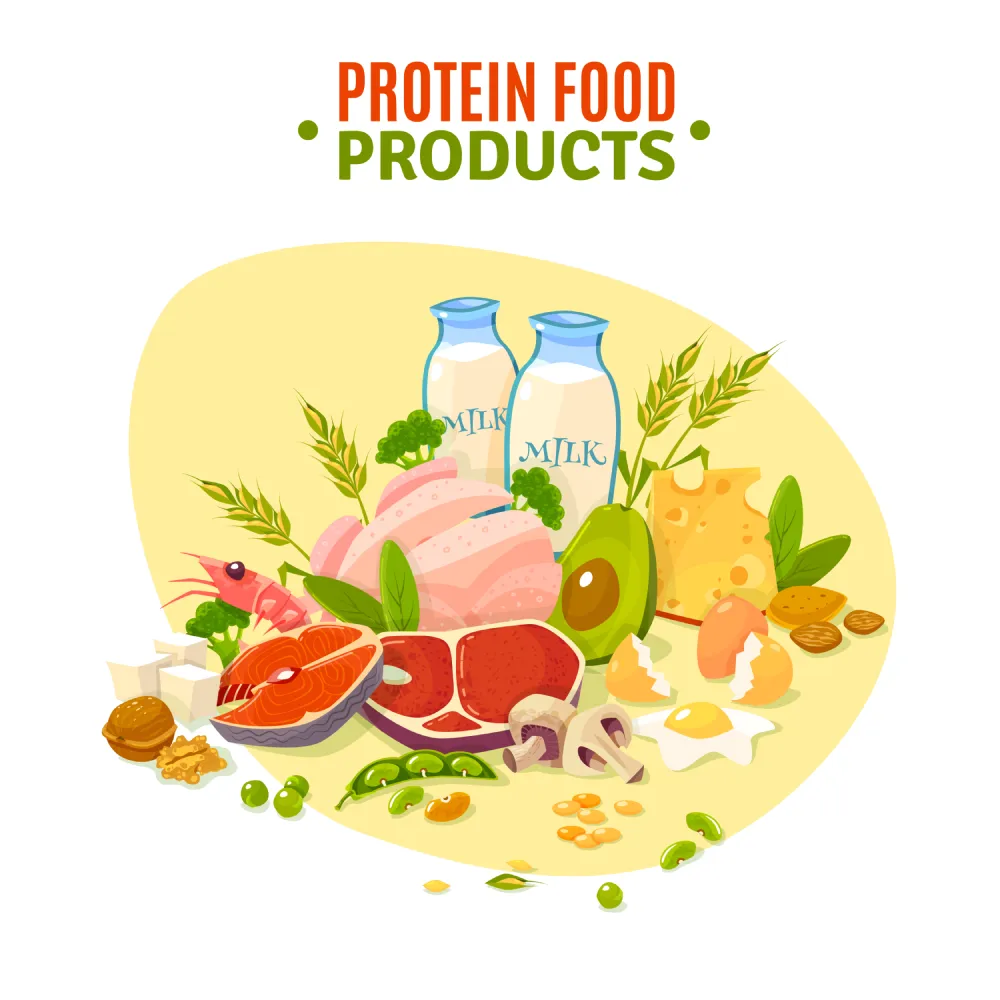
Vegetarian protein sources is actually very simple. You don’t need meat to build muscle at all.
Just eat good plant foods every day and stay consistent with your meals. Things like beans, lentils, chickpeas, nuts, seeds, and dairy (if you take it) can all give you good protein.
Your body only cares about getting enough protein to repair muscles after workouts. It doesn’t matter if it comes from plants or meat. What matters is you’re getting enough every day.
When you do that regularly, your body starts recovering better, you feel stronger in your workouts, your muscles grow over time, and your energy stays more steady throughout the day.
How plant protein really supports muscle growth?
High protein vegetarian foods support the body in a very steady way. After training, muscles break down and need rebuilding. That rebuilding process depends on protein intake spread across meals, not just one big serving.
When vegetarian protein sources are included in every meal, the body stays in a constant repair mode. That’s what leads to visible muscle growth over time.
The important thing to understand is this: consistency matters more than anything else.
Everyday foods that quietly do the job
vegetarian protein sources don’t need fancy ingredients or complicated planning. Most of them are already part of normal meals.
Lentils protein are one of the strongest options because they give steady energy and help with muscle recovery. chickpeas are similar, they keep the body full and support strength over time. Beans protein works in the same way, slow digestion but strong nutrition support.
Tofu protein is another easy option because it absorbs flavor and can be used in almost any meal. Quinoa protein stands out because it behaves like a complete protein, which makes it very useful in plant-based protein sources.
When these foods are used regularly, vegetarian protein sources become a natural part of daily eating instead of something extra to think about.
How daily protein intake actually works
vegetarian protein sources only show results when they are eaten in the right amount across the day. The body does not store protein the same way it stores fat, so it needs regular supply.
Active people need more protein because workouts create more muscle breakdown. That’s why spreading meals matters so much. Breakfast, lunch, dinner, and even snacks should all include some form of protein.
When vegetarian protein sources are used this way, the body never runs low on what it needs for repair.
Combining foods makes everything stronger
vegetarian protein sources become more powerful when they are paired correctly.
Rice with beans creates a complete amino acid profile. lentils with whole grains improve protein quality. Chickpeas protein give better recovery support after workouts.
This is how plant-based diet solves the “incomplete protein” concern. It’s not about one food doing everything, it’s about combinations working together.
Once this is understood, the best protein sources for vegans feel complete and reliable for muscle building.
What actually changes in the body
When vegetarian protein sources are used consistently, a few things start to happen over time.
muscles recover faster after workouts. Energy levels stay more stable during the day. Hunger becomes more controlled because protein keeps you full longer. strength slowly improves because recovery is happening properly.
It’s not an overnight change, but it is a steady one. The body responds best to consistency, not quick fixes.
How training fits into everything
vegetarian protein sources alone are not enough, training has to match it. Strength training is what tells the body to build muscle in the first place.
When workouts are combined with proper protein intake, the body adapts. muscles grow because they are being challenged and then repaired with the right nutrition.
without training, even the best vegetarian protein sources will only maintain the body, not transform it.
Simple way to structure meals
vegetarian protein sources work best when meals follow a simple pattern instead of strict dieting.
Each main meal should include a protein source like lentils, beans, tofu, or chickpeas. Grains like rice or quinoa support that protein. Vegetables add fiber and recover nutrients.
This combination keeps everything balanced without overthinking it.
Once this becomes routine, vegetarian protein sources naturally cover daily needs.
Where protein supplements fit in
vegetarian protein sources from real food should always come first. but sometimes lifestyle makes it hard to hit targets through food alone.
In those cases, plant protein powders can help. They are not a replacement for meals, just a support tool. They help fill gaps on busy days or after workouts when quick nutrition is needed.
Still, the foundation should always stay built on real vegetarian protein sources.
Common mistakes that slow progress
vegetarian protein sources sometimes fail to show results because of simple mistakes.
Eating too many carbs without enough protein slows progress. Repeating the same food every day reduces nutrient variety. Skipping protein in breakfast or post workout meals delays recovery.
Another common mistake is expecting fast results without consistency. Muscle building is slow and steady, not instant.
Fixing these habits makes plant-based protein much more effective.
Conclusion:
Good sources of protein for vegetarians are not complicated, they just need consistency. Once the habit is built, the body adapts and starts improving strength and recovery naturally.
There is no need for extreme diets or complicated systems. Simple food, repeated daily, and matched with training is enough.
Frequently Asked Questions
How do vegetarian protein sources actually build muscle without meat?
Vegetarian protein sources build muscle by supplying essential amino acids that repair muscle fibers after workouts, especially when protein intake is consistent across all meals.
Can vegetarian protein sources really replace meat for strength training?
Yes, vegetarian protein sources can fully replace meat when meals are planned properly and include a variety of plant foods that together provide complete amino acid profiles.
How often should vegetarian protein sources be eaten in a day?
plant-based protein should be included in every main meal and even snacks so the body receives a steady supply of protein.
What happens if vegetarian protein sources are not eaten enough?
If vegetarian protein sources are not eaten in sufficient amounts, the progress in strength training becomes much slower over time.
Are vegetarian protein sources enough for intense workouts?
Yes, plant-based protein are enough for intense workouts as long as total daily protein needs are met and meals are structured properly.
Do vegetarian protein sources need to be combined?
Yes, combining vegetarian protein sources like grains and legumes helps create a complete amino acid profile.
How long does it take to see results from vegetarian protein sources?
Results vary, but with consistent training and proper use of vegetarian protein sources, improvements in strength and recovery can usually be noticed within a few weeks.
Can vegetarian protein sources help with fat loss too?
Yes, plant-based protein support fat loss by keeping the body full for longer, and helping maintain lean muscle during calorie control.
What are the easiest vegetarian protein sources to start with?
lentils, chickpeas, beans, tofu, and quinoa are the easiest plant-based protein because they are simple to cook.
Do vegetarian protein sources work without supplements?
Yes, plant-based protein work perfectly without supplements when meals are balanced and protein intake is consistent supplements.