
vitamin D deficiency is something that usually doesn’t feel serious in the beginning. It starts quietly. A bit of tiredness here, a low mood there, maybe some body aches that are easy to ignore.
Most people don’t even think about it. Life feels busy, sleep feels “okay,” and everything gets blamed on stress. But slowly, vitamin D deficiency starts building in the background and the body begins to show it in very simple ways.
Not dramatic. Just… noticeable in everyday life.
It usually starts with small things
The tricky part about vitamin D deficiency is that it doesn’t come with one big clear sign. It shows up in small patterns.
Like:
- Waking up and still feeling tired
- Losing energy halfway through the day
- Feeling lazy even without doing much
- Getting irritated or low for no clear reason
And because life is already fast, these things get ignored. But this is usually where vitamin D deficiency begins.
The body starts feeling “off”
At some point, it stops feeling normal.
Not sick exactly. Just not right.
People often describe vitamin D deficiency like this:
- “I feel tired all the time”
- “My focus is not there anymore”
- “I don’t feel like myself lately”
That mental fog is very common. It’s like the brain is working slower than usual. Simple tasks take more effort. Even decision-making feels heavy.
And the funny part is, most people don’t connect it with vitamin D deficiency at first.

Why it’s happening more today
Modern life plays a big role here.
Most days look like:
- Wake up → stay indoors
- Work on screens
- Move from room to room
- Go back home → more screens
Very little sunlight. Very little outdoor time.
That alone slowly pushes the body toward vitamin D deficiency.
Even people who try to eat well sometimes still end up low because sunlight is such a key factor.
What the body is actually missing
To put it simply, vitamin D is not just a “vitamin for bones.”
When vitamin D deficiency happens, it affects:
- Energy levels
- Muscle strength
- Mood balance
- Immune system
- Overall recovery of the body
So when it drops, everything feels a bit weaker at the same time.
That’s why vitamin D deficiency doesn’t feel like one clear problem. It feels like many small problems together.
The signs that quietly build up
These are the things people usually notice but don’t take seriously at first:
- Feeling tired even after sleeping well
- Low motivation during the day
- Mild sadness or emotional heaviness
- Muscle stiffness or random aches
- Trouble focusing for long periods
This is where vitamin D deficiency is already active in the body.
Nothing extreme yet, but it’s there.
Food helps more than most people think
Now here’s the good part.
Food can actually support the body a lot when dealing with vitamin D deficiency.
Not overnight. But slowly, steadily.
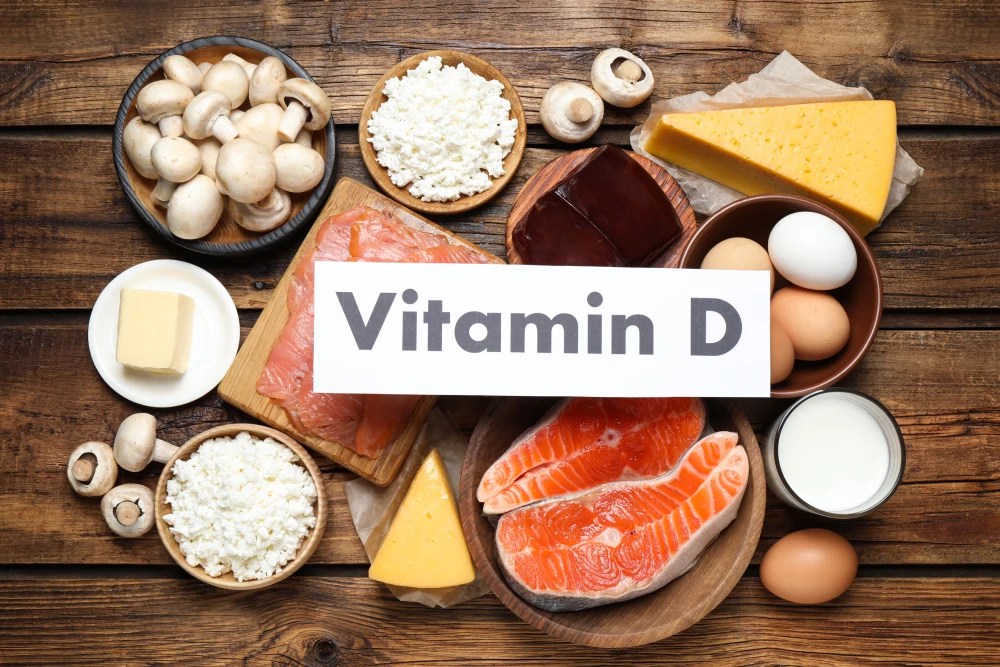
Simple foods that make a difference
- Eggs (especially yolk)
- Salmon, tuna, sardines
- Fortified milk or plant milk
- Mushrooms exposed to sunlight
- Cheese in moderation
These are basic dietary sources of vitamin D, but consistency is what matters.
When low vitamin d levels is mild, food and sunlight together can really shift things.
Sunlight is still the main thing
No supplement or food completely replaces sunlight.
Even 15–20 minutes a day can help.
Morning light is especially helpful because the body responds better to it.
This is the simplest natural way to support low vitamin d levels without overthinking anything.
Just step outside. Walk a bit. Sit in light. That’s it.
Why energy feels so low
This is where things start making sense.
When vitamin D deficiency continues:
- Cells produce energy less efficiently
- The body recovers slower
- Even small effort feels big
So a normal day starts feeling heavy.
It’s not laziness. It’s not lack of discipline. It’s just the body running on low support.
That’s why vitamin D deficiency often feels like burnout.
Mood and emotions get affected too
This part surprises many people.
But yes, low vitamin d levels can affect mood.
Not in a sudden extreme way, but slowly:
- Less interest in things
- Feeling low without reason
- Increased stress sensitivity
- Emotional tiredness
It’s like the emotional battery drains faster than usual.
What recovery actually feels like
Fixing low vitamin d levels is not instant.
But when habits change, the body responds step by step.
First, energy improves slightly.
Then mood becomes more stable.
Then focus starts coming back.
It’s gradual. But noticeable.
Simple daily routine that helps
Nothing complicated. Just basic consistency.
Morning
- Step outside for sunlight
- Eat something with protein like eggs
Afternoon
- Balanced meal with vegetables and protein
- Short walk if possible
Evening
- Light dinner
- Less screen time before sleep
This kind of rhythm slowly helps reduce vitamin D deficiency naturally.
Why ignoring it makes things worse
If low vitamin d levels is ignored for a long time, it doesn’t stay mild.
It can slowly lead to:
- Weak bones
- Low immunity
- Constant fatigue
- Poor concentration
- Mood instability
The body just keeps slowing down little by little.
That’s why early attention matters.
Key things to actually remember
- low vitamin d levels builds slowly
- Tiredness is often the first sign
- Sunlight is essential, not optional
- Food supports recovery
- Mood and energy are deeply connected
And most importantly, low vitamin d levels is reversible with simple consistent habits.
Frequently Asked Questions
Can sunlight alone fix vitamin D deficiency?
Sunlight helps a lot, but vitamin D deficiency improves best when sunlight is combined with good food and a balanced daily routine.
What foods help in vitamin D deficiency?
Eggs, fish like salmon and tuna, fortified milk, and sunlight-exposed mushrooms help support recovery from vitamin D deficiency over time.
Does vitamin D deficiency affect mood?
Yes, vitamin D deficiency can make mood feel low, increase stress sensitivity, and reduce emotional stability in a gradual way.
How long does vitamin D deficiency take to improve?
It depends on habits, but low vitamin d levels usually starts improving within weeks to a few months with consistent lifestyle changes.
Is vitamin D deficiency common today?
Yes, vitamin D deficiency is very common because people spend most of their time indoors and get less sunlight exposure.
Can vitamin D deficiency cause body pain?
Yes, vitamin D deficiency can lead to muscle weakness, stiffness, and general body discomfort over time.
Who gets vitamin D deficiency most often?
People who stay indoors most of the day, work on screens, or avoid sunlight are more likely to develop low vitamin d levels.
What is the easiest way to improve vitamin D deficiency?
The easiest way is simple daily sunlight exposure, eating vitamin D rich foods, and staying active outdoors regularly.