
Choosing an eating routine that fits your daily life can make healthy habits easier to maintain. An intermittent fasting schedule gives you specific periods for eating and fasting rather than focusing only on what foods you consume. Some people use it to manage their weight, while others prefer the structure it brings to their meals.
There is no single schedule that works for everyone. Your work hours, sleep routine, activity level, and health needs all matter when choosing a fasting plan. Understanding different intermittent fasting times can help you find an approach that feels realistic and sustainable.
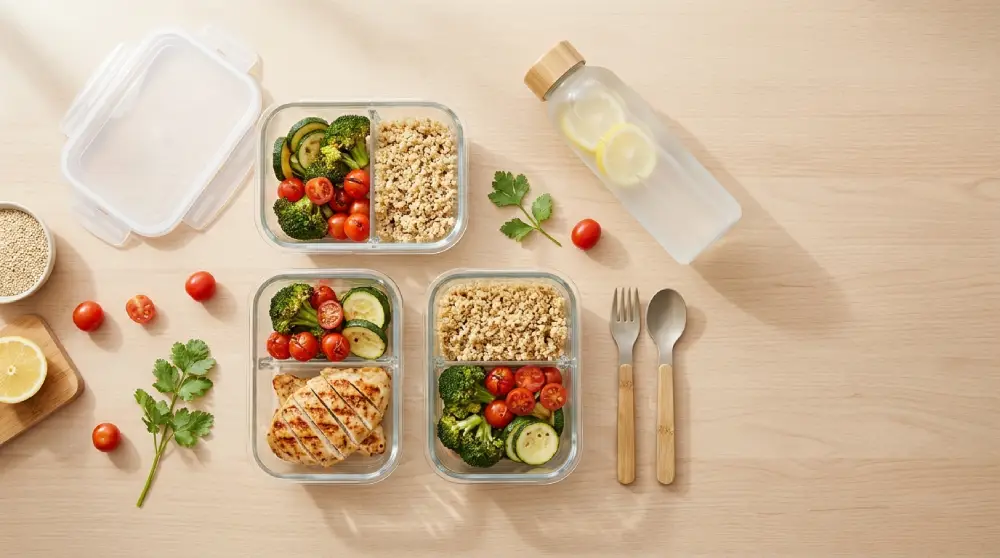
What Is Intermittent Fasting?
Intermittent fasting is an eating pattern that alternates between periods of eating and not eating. Unlike diets that focus on specific foods, it primarily sets a time window for meals. During the fasting period, people generally avoid calorie-containing foods and drinks.
The length of each fasting window depends on the method. Some plans involve fasting overnight for a longer period, while others use a shorter daily eating window. A consistent intermittent fasting schedule may help some people manage their food intake, but results depend on overall eating habits and individual circumstances.
Popular Intermittent Fasting Schedules
Different fasting methods offer different levels of flexibility. Beginners may prefer a shorter fasting period, while people already familiar with time-restricted eating may consider longer windows.
The 12:12 Method
The 12:12 method is a form of fasting that entails a 12-hour fast and then eating for 12 hours. You could, for instance, have your meals from 7 a.m. to 7 p.m. and skip them at night.
It can be a realistic starting point as a lot of the time of fasting is during sleep hours. It can also help create a regular schedule for mealtimes without having to make too many changes to your daily routine.
The 14:10 Method
The 14:10 diet involves fasting for 14 hours and eating for 10 hours. A person who eats dinner at 7 p.m. may have his first meal at 9 a.m. the next day.
This eating plan offers a bit more extended fast but still allows for time for a few nutritious meals. It could be good for those who do not want to adhere to a rigid plan, but still want some structure.
Intermittent Fasting 16:8
The intermittent fasting 16 8 method involves fasting for 16 hours and eating within an eight-hour window. One of the most common examples is having meals between 11 am and 7pm (this can be varied).
This technique is favored for its definite daily schedule. But eating for a shorter period doesn’t necessarily equate to a healthier diet. However, it is still significant to have adequate food intake and not overeating during the fasting period.
The 5:2 Method
The 5:2 method is instead based upon a different approach. On five days of the week, people eat as much as they usually do and on two non-consecutive days they eat half as many calories.
This is not a method that involves the daily fast periods, however it can be challenging for some to do the reduced calorie days. Not suitable for all, especially for people who have some medical issues or have past eating disorders.
How to Choose the Right Intermittent Fasting Times
The ideal number of hours to fast is the one that works best for you and your daily routine. Think about your work hours, exercise, sleeping patterns and typical eating times when you make your choice.
A person who likes to have breakfast early for example, might find it easier to have an eating window from morning till evening. A later working schedule may wish to start later. Eating meals several hours prior to bedtime can also help to keep a regular schedule.
Make an effort to stick to a similar eating and fasting schedule during the week. If the schedule provokes excessive hunger, fatigue or a diminished capacity to concentrate, then it might not be the right one for you.
Building an Intermittent Fasting Diet Plan for Weight Loss
An intermittent fasting diet plan for weight loss should focus on balanced meals rather than simply reducing the number of hours available for eating. Fasting does not guarantee weight loss. Fasting does not ensure weight loss. Weight changes typically are affected by the total calorie consumption, nutritional content of food, exercise, sleep and other health conditions.
Add protein foods like eggs, fish, beans, chicken or yogurt. Include vegetables, fruits, whole grain and healthy fats to meet nutritional requirements. Try not to overindulge in ultra processed snacks, sugars or liquids in the eating window.
Serving sizes are also a factor. Don’t think that it is a matter of eliminating food and nutrients or not eating enough. Make meals that will last long and meet your nutritional needs.

Sample Intermittent Fasting Meal Plan
A simple intermittent fasting meal plan can help you plan out meals in the desired eating window. For example, someone who follows a 16:8 eating schedule (with an 11 a.m. to 7 p.m. window) can follow this 16:8 meal plan.
- 11 a.m. – First meal: Eggs or beans, whole-grain toast, and fruit.
- 2:30 p.m. – Lunch: Grilled chicken or lentils with brown rice and vegetables.
- 5 p.m. – Snack: Plain yogurt, nuts, or a piece of fruit.
- 6:30 p.m. – Dinner: Fish, tofu, or beans with vegetables and a whole-grain side.
Take water on a regular basis throughout the day. Black coffee and unsweetened tea might be part of certain fasting plans, although some people are more tolerant than others. The idea is to get in your nutrient intake, not the strict diet.
Conclusion
The ideal intermittent fasting schedule is one that you can stick to without negatively impacting your health or lifestyle. For 12:12, 14:10, or 16:8 intermittent fasting, prioritize nutrient-dense meals, proper hydration, and establishing a routine. Follow a “baby-step approach” and consult a health care provider if fasts could impact a current health condition or medicine.
Frequently Asked Questions
What is the best intermittent fasting schedule for beginners?
A 12:12 or 16:7 schedule might be easier to start with if it involves a night of fasting. It’s possible to evaluate one’s feelings prior to thinking about other strategies.
Is intermittent fasting 16:8 suitable for everyone?
No. It is a well-known technique, but may not be appropriate for some individuals with medical issues, medication needs, or nutrition needs. Only if unsure, seek medical advice.
Can I drink water during intermittent fasting?
Yes. Drinking water during fasting periods is important for hydration. Some diet programs also involve the consumption of unsweetened tea and black coffee.
How long should I fast to lose weight?
There is no specific fasting duration that guarantees weight loss. The results will be affected by your eating habits, activity level, sleep and health in general.
Can I exercise while following an intermittent fasting schedule?
Some people may be able to continue their level of exercise, though it may change. If feeling weak or dizzy, try to adjust workout times; ensure proper nutrition and hydration.
Should I skip breakfast when intermittent fasting?
Not necessarily. Your eating window can be in the morning or later in the day. Select a meal plan that works for your meals and lifestyle.
Can I follow intermittent fasting every day?
Some individuals adopt a “time-restricted” method, eating for 12 hours a day, or they may have other patterns. There should be a balance between consistency and sufficient nutrition/well-being.