Diet advice is confusing. Eat less. Eat more. Cut carbs. Eat Fat Changes every single week. But here is the thing. Learning about macro counts changes everything. Macronutrients are protein, carbs, and fat. They fuel your body. Get your macro breakdown right, and results follow in meal planning.
What Are Macros?
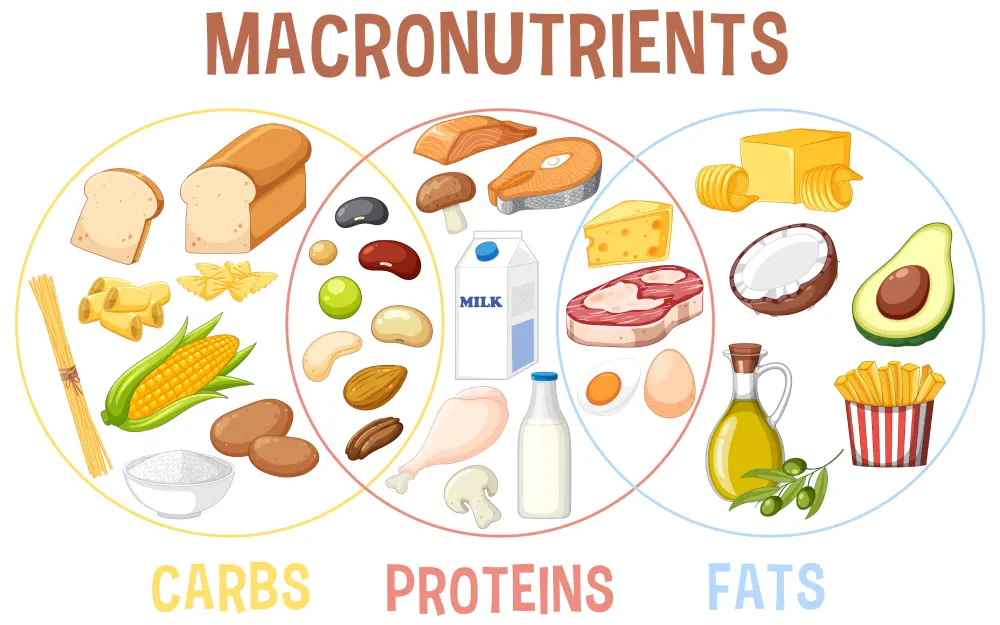
Macronutrients are nutrients your body needs in large amounts. Three of them. Protein builds and repairs muscle. Keeps you full. Important for protein meals. Carbs are your main energy source. Fuel workouts and brain function. Fats support hormones and brain health. Help absorb vitamins.
Each gram of protein and carbs has 4 calories. Each gram of fat has 9 calories. That is your macro breakdown basics. Nothing complicated.
Why Macro Counts Matter
Counting macro counts is different from counting calories. Calories tell you how much. Macro counts tell you what kind. Big difference. You can eat 1500 calories of junk food or 1500 calories of balanced nutrition.
Your body responds completely differently. Macro counts help you build personalized meal plans. Ones that actually work for your goals.
Step 1: Determine Your Calories
Before calculating macro counts, know your calories.
Find Maintenance Calories
What you need to stay the same weight.
Use this formula:
– Women: 655 + (4.35 x weight in lbs) + (4.7 x height in inches) – (4.7 x age)
– Men: 66 + (6.23 x weight in lbs) + (12.7 x height in inches) – (6.8 x age)
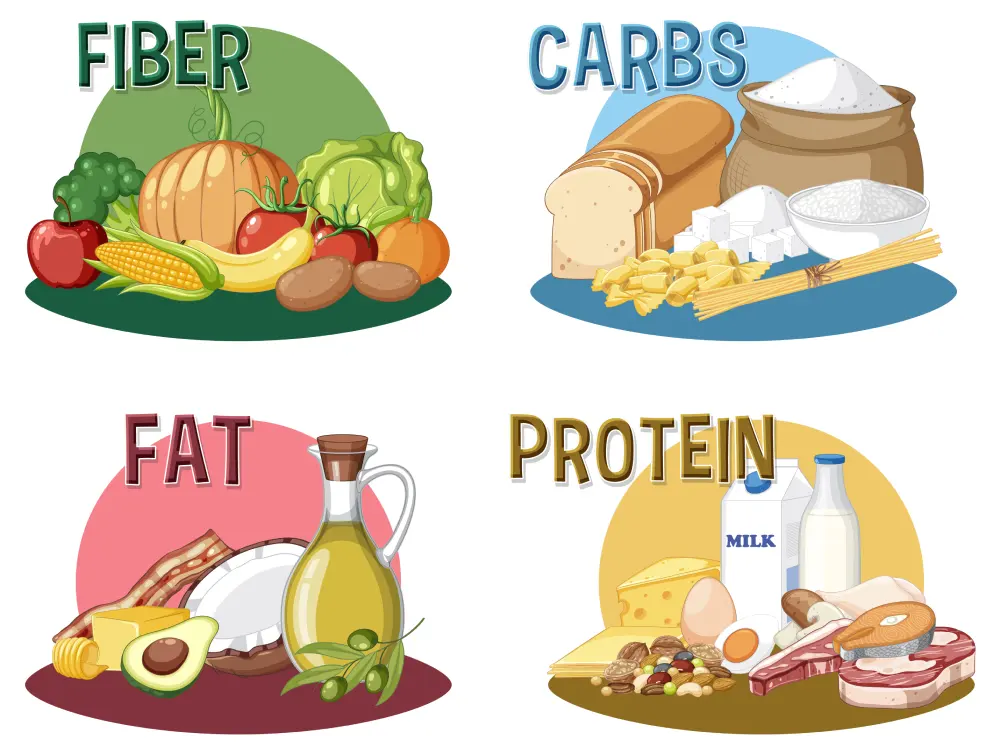
Multiply by activity level:
– Sedentary: × 1.2
– Light activity: × 1.375
– Moderate: × 1.55
– Active: × 1.725
– Very active: × 1.9
That is maintenance.
Adjust for Your Goal
– Weight loss: Subtract 300-500
– Muscle gain: Add 300-500
– Maintenance: Keep same
Now you have your target.
Step 2: Set Your Macro Breakdown
Divide calories into macro counts.
For Weight Loss
– Protein: 30-35%
– Carbs: 35-40%
– Fat: 25-30%
Protein keeps you full. Carbs fuel workouts. Fat supports hormones.
For Muscle Gain
– Protein: 30-35%
– Carbs: 40-45%
– Fat: 20-25%
More carbs for energy. More protein for protein meals.
For General Health
– Protein: 25-30%
– Carbs: 40-45%
– Fat: 25-30%
Balanced. Works for most.
Step 3: Calculate Your Macros
Let us do the math.
Convert Calories to Grams
– Protein: (Calories × %) ÷ 4
– Carbs: (Calories × %) ÷ 4
– Fat: (Calories × %) ÷ 9
Example for Weight Loss
2000 calories daily.
Protein: 30% = 600 ÷ 4 = 150g
Carbs: 35% = 700 ÷ 4 = 175g
Fat: 35% = 700 ÷ 9 = 78g
That is your macro breakdown.
Step 4: Build Your Meals
Now you know your macro counts. Time to plan.
Protein Meals
– Chicken breast: 31g per 100g
– Eggs: 6g each
– Tofu: 13g per 100g
– Fish: 25g per 100g
– Lentils: 18g per cup
Carbs
– Brown rice: 45g per cup
– Quinoa: 39g per cup
– Oats: 27g per cup
– Sweet potato: 26g per medium
Fats
– Olive oil: 14g per tablespoon
– Nuts: 15-20g per handful
– Eggs: 5g each
– Fish: 10-15g per serving
Build calorie counted meals around these.
Step 5: Track Your Macros
Tracking is easier than you think.
Use an App
MyFitnessPal. Cronometer. Lose It.
Scan barcodes. Log food.
Measure Your Food
Use a food scale. Be honest.
Prep Your Meals
Meal prep saves time. Cook in bulk.
Pack your protein meals ahead.
Special Diets and Macro Counts
Vegan Meal Plan
Getting protein is harder but possible. Vegan meal plan sources:
– Tofu and tempeh
– Lentils and chickpeas
– Quinoa
– Seitan
– Nuts and seeds
A vegan meal plan in Dubai is accessible too.

Meal Replacement Shakes
Meal replacement shakes are convenient.
But whole food is better.
Use them when busy. Not as the main source.
Meals for Weight Loss
Focus on high protein. Add vegetables.
Control portions.
Meals for weight loss should still satisfy.
Common Mistakes
Not Eating Enough Protein
Most people under-eat it.
Aim for 25-35% of calories.
Ignoring Fat
Fat is not the enemy.
Your body needs it.
Being Too Rigid
Do not obsess over every gram.
Consistency, not perfection.
Not Adjusting
Your body changes. Your macro counts should too.
Re-evaluate every few weeks.
Building Your Personalized Meal Plan
Step 1: Know Your Calorie Goal
Calculate it. Write it down.
Step 2: Set Your Macro Breakdown
Use percentages above. Adjust to preference.
Step 3: Choose Your Foods
Pick foods you enjoy. Variety prevents boredom.
Step 4: Track for a Week
Be consistent. See how you feel. Adjust as needed.
Conclusion:
Macro counts are not complicated. Whether you want weight loss or muscle gain. Whether you need meals for weight loss or protein meals. Understanding macronutrients gives you control.
Start today. Calculate your numbers. Plan your meals. Watch your body change. Your wellness goals are achievable.
Frequently Asked Questions
What are macro counts?
Macros are protein, carbs, and fat. That’s it. Tracking ’em helps you hit your goals, whether you’re trying to lose weight or build muscle.
How do I calculate macro counts?
Figure out your calorie needs first. Then set your percentages. Convert to grams, protein and carbs have 4 calories per gram, fat has 9. Simple math.
What’s the best macro breakdown for weight loss?
Go with protein 30-35%, carbs 35-40%, fat 25-30%. Keeps you full and actually makes meals for weight loss work.
What’s the best macro breakdown for muscle gain?
Protein 30-35%, carbs 40-45%, fat 20-25%. Protein meals and carbs are what build muscle.
How much protein do I need?
About 1.6 to 2.2 grams per kilogram of body weight. Spread your protein meals throughout the day for best results.
What’s a vegan meal plan for macros?
Tofu, lentils, chickpeas, quinoa, nuts — you can hit your macros without meat. Totally doable.
Are meal replacement shakes good?
They are convenient, but they’re not a substitute for real food. Use ’em once in a while, not every day.
How do macro counts help weight loss?
Tracking macros keeps you balanced. You lose fat, not muscle. And calorie counted meals keep you satisfied.
Can I adjust my macro breakdown?
Yeah, absolutely. Adjust as you go, it depends on your goals and how your body responds. It’s a wellness journey, not a one-size-fits-all.
What are best foods for macro counting?
Lean proteins, whole grains, healthy fats, and vegetables. Build personalised meal plans around foods you enjoy to reach your diet goals.