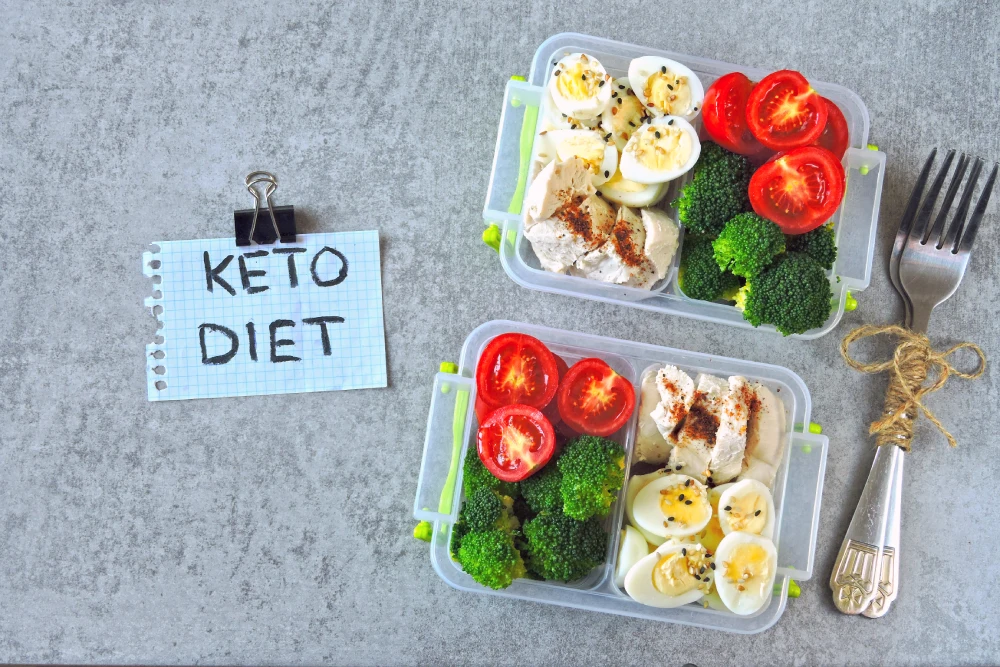
A high protein keto diet may seem like a perfect combination – extremely low-carb and a sufficient amount of protein to help maintain muscle, strength and fullness. However, keto is still primarily a low-carb diet plan that enables your body to create ketones.
The ideal balance will be dependent upon your body, activity level, goals and general diet. If you’re thinking about creating a keto diet plan that is based on extra protein, here is what you need to know.
How Much Protein Can You Eat on Keto?
It is not possible to give a protein limit for all. Protein requirements depend on the individual’s activity level, age, body size and aims, whether it is weight loss or maintenance. Typically, a high protein keto diet is a low-carb, moderate protein, high fat diet.
However, even with low carb intake and high protein intake, you could still be in ketosis. But if a diet is very high in protein it may not be a typical keto diet, and can make it more challenging to maintain a balance of nutrients.
Does Too Much Protein Stop Ketosis?
One of the most popular worries with the high protein keto diet is that it causes the body to lose muscle mass. Glucose can be synthesized from some amino acids of protein by a process called gluconeogenesis. But, it is not as if all of the extra protein is immediately converted to glucose and pulls you out of ketosis.
This process is controlled by your body according to its requirements. Most people don’t need to be afraid of moderate protein, in practice, as long as they keep carbohydrates low the Ketosis will be maintained.
Ketogenic Diet vs Low Carb: What’s the Difference?
The ketogenic diet vs low carb comparison can be confusing because both reduce carbohydrates. The difference is the level to which the intake of carbohydrates may be lowered and if the diet is intended for nutritional ketosis.
There is a lot of variation in the amounts of carbs that can be consumed in a general low-carb diet, and a ketogenic diet typically limits carbs to a level that stimulates ketone production. Both may contain a variety of vegetables, meat, fish, eggs, dairy, nuts and other low carb diet foods, but may not have the same balance of macronutrients.
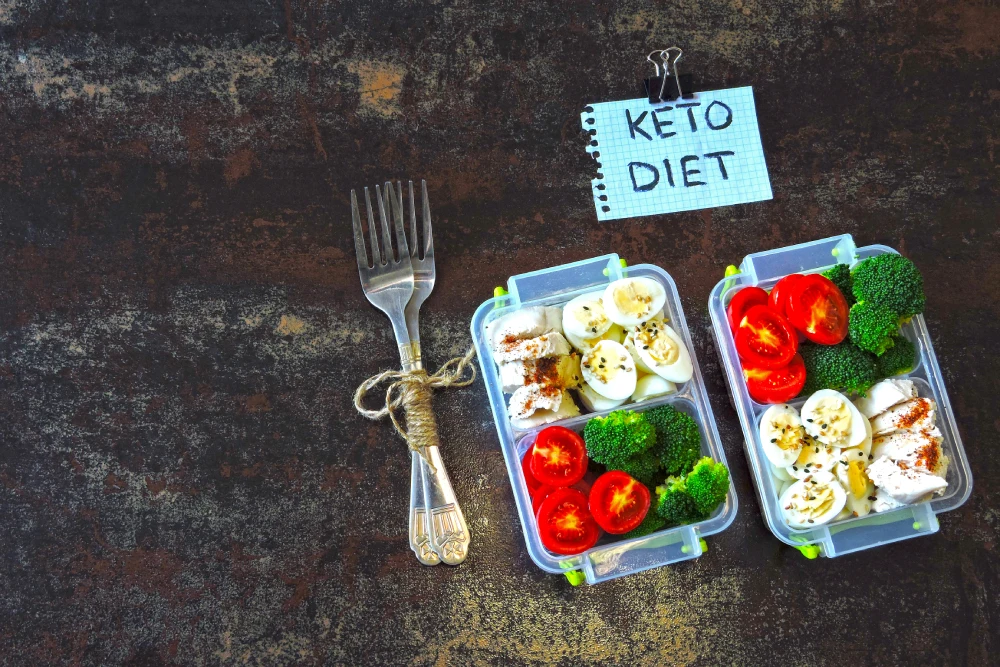
When using prepared keto box meals, always look at the nutritional information on the keto box, as not all meals are necessarily keto-friendly. Consider total carbs, protein, added sugars and serving size.
What About Carbohydrate Intake?
Your carbohydrate intake is usually the biggest factor to monitor when trying to stay in ketosis. Many grain based foods, bread, pasta, sugary beverages, sweets and other foods are easy ways to bump up your carb count each day.
Some also try low carb rice as an alternative which can be used to substitute regular rice but low in carbohydrates. It is difficult to say how much is right for the person, as it depends on the person.
The majority of people don’t need to use a no carb diet plan and the one that is used can be tough to stick to.
Can Vegetarians Follow a High Protein Keto Diet?
Yes, but with more planning! Depending on individual preferences, a vegetarian keto meal plan can feature eggs, full-fat dairy, tofu, tempeh, nuts and seeds, and low-carb veggies. Protein and a variety of nutrients need to be of concern to the vegetarian. Just going meatless does not mean that a diet is balanced keto.
How to Build a Balanced Keto Diet Plan
A practical keto diet plan should not focus only on protein. Eat around a moderate amount of protein, non-starchy vegetables, healthy fats and a planned amount of carbohydrate for desired outcomes.
You may require more protein if you are active, compared to a non-active person. Another benefit of keeping a food journal for a few days is that it will help you determine if you’re consuming enough protein and if you’re taking in too many carbohydrates or calories.
Conclusion:
A high protein keto diet does not automatically stop ketosis simply because you increase protein. The bigger concern is creating a diet that is too restrictive, unbalanced, or difficult to maintain.
Focus on adequate protein, controlled carbohydrate intake, nutrient-rich foods, and a realistic eating pattern. If you have a medical condition or are taking medication which may impact blood sugar, please consult your health care provider before dramatic changes in diet are made.
Frequently Asked Questions
Can you eat too much protein on keto?
Yes, it is possible to eat more protein than you need. However, extra protein does not automatically stop ketosis. Your overall carbohydrate intake and individual metabolism also matter.
How much protein should I eat on keto?
Yes, you can get more protein than you require. But additional protein doesn’t equate to an end to ketosis. The overall amount of carbohydrates and your own metabolism are also important.
Does protein turn into sugar on keto?
The body can use some amino acids to synthesize glucose for energy. This doesn’t translate to 100% of dietary protein becoming sugar or being anti-ketosis.
What foods are high in protein and low in carbs?
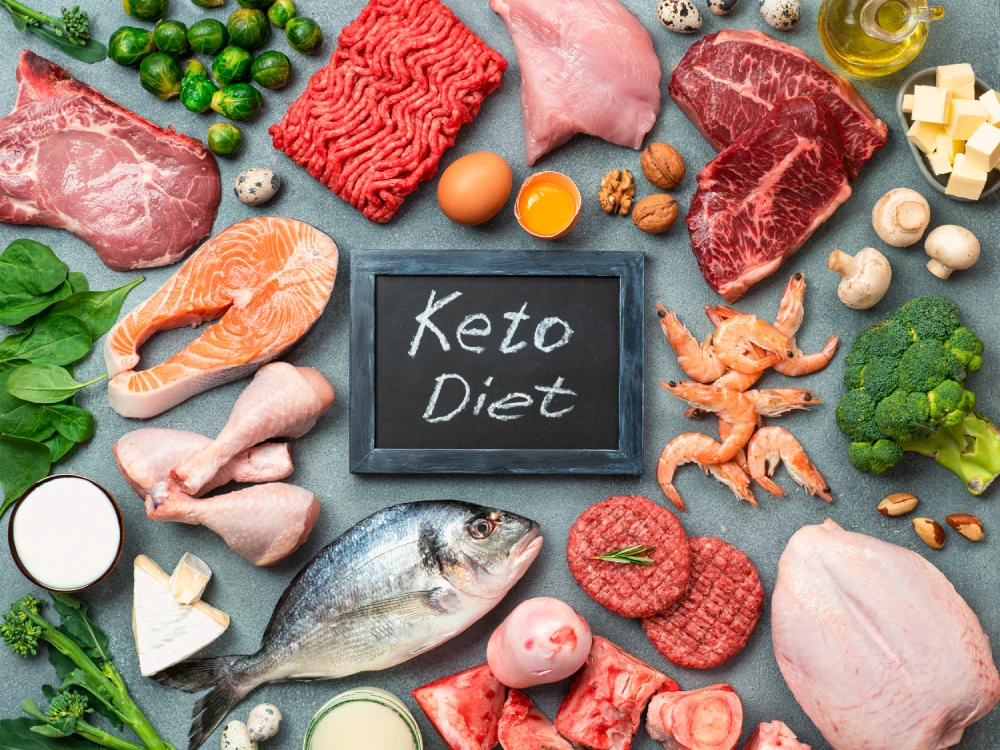
Protein can be found in eggs, fish, poultry, meat, Tofu, tempeh and some dairy products and can be kept at a low carbohydrate level.
Is a ketogenic diet the same as a low-carb diet?
No. Some low-carb diets will allow for more carbs than a Keto diet so as to help induce the state of ketosis.
Can I eat rice on keto?
Traditional rice is relatively high in carbohydrates. Some people use alternatives marketed as low carb rice to keep meals within their carbohydrate target.
Is a no carb diet healthier than keto?
Not necessarily. Completely eliminating carbohydrates can make it harder to get certain nutrients and is generally unnecessary for maintaining ketosis.
Can vegetarians get enough protein on keto?
Yes. A vegetarian keto meal plan can include eggs, dairy, tofu, tempeh, nuts, and seeds, depending on the person’s dietary choices.
Are keto box meals healthy?
They do have conveniences, but not all are created equal. Before making them a regular part of your diet, read their nutrition facts to learn about the carbohydrate, protein, calorie, sodium, added sugars, and ingredients.
What matters most for staying in ketosis?
Generally, the dietary factor is low carbohydrate intake. The response of the body can also be influenced by protein, fat and activity, as well as individual differences.