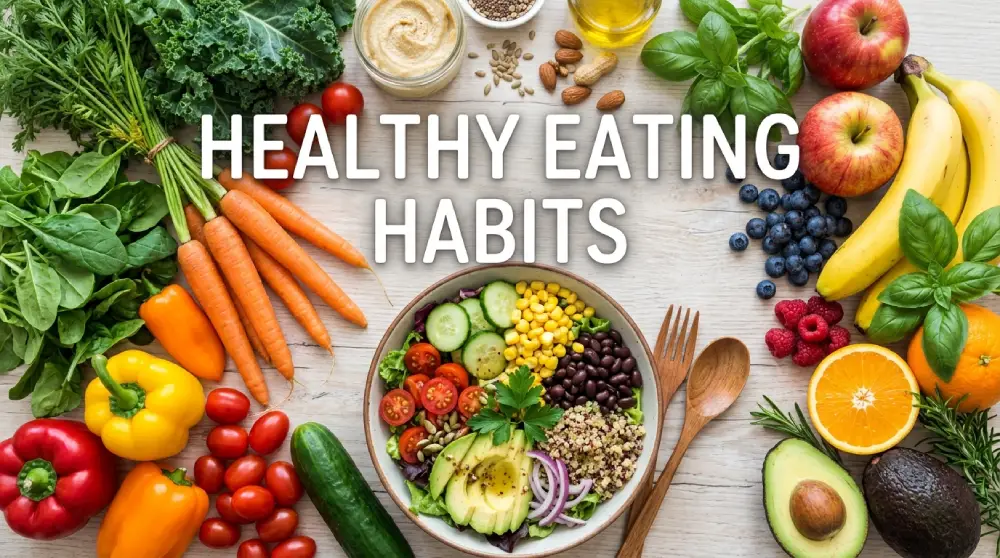
Building healthy eating habits does not mean giving up your favorite foods or following a strict diet. Small, consistent changes can help you feel more energetic, improve your relationship with food, and support your long-term health goals.
The key is to replace habits that make eating difficult with practical choices that fit your daily routine. Here are eight common habits to change this week, along with simple ways to make healthier eating easier.
1. Skipping Breakfast Instead of Starting the Day Right
Rushing out the door without eating can leave you feeling hungry later in the day. Although breakfast is not essential for everyone, a balanced morning meal can help you meet your nutritional needs.
Try this instead: Choose simple options such as oatmeal with fruit, eggs with whole-grain toast, or yogurt with nuts. Prepare ingredients the night before to save time.
2. Relying on Fast Food When You’re Busy
Ordering fast food because you have nothing prepared can become an expensive routine. Many convenient meals are high in sodium, saturated fat, or added sugar.
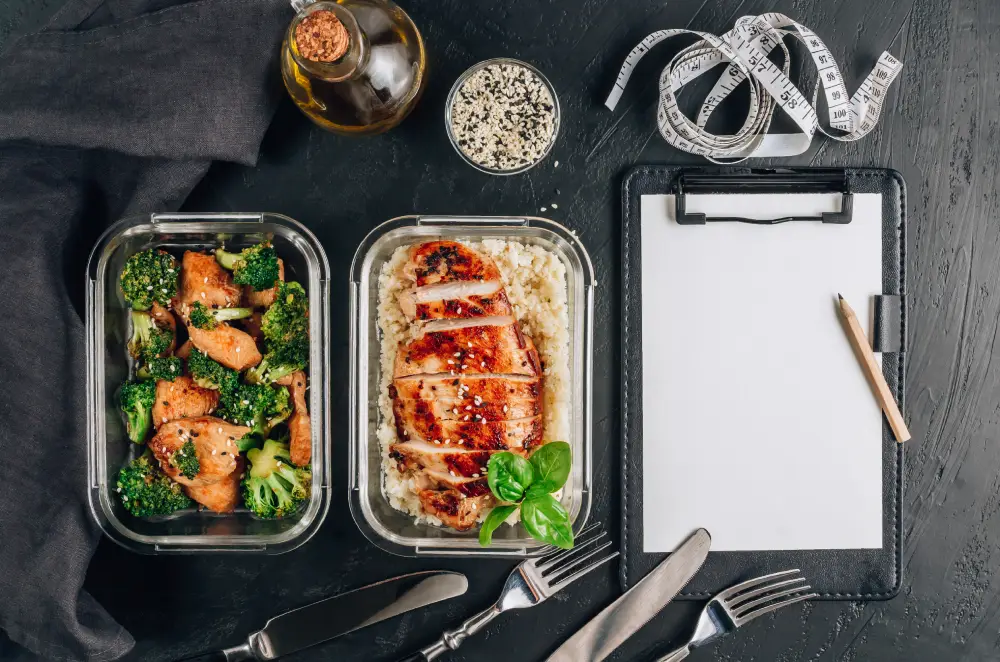
Try this instead: Keep easy ingredients available, such as frozen vegetables, canned beans, whole grains, and cooked chicken. If cooking is difficult during busy weeks, nutritious meal delivery can provide another convenient option.
3. Shopping Without a Meal Plan
Buying groceries without knowing what you will cook can lead to forgotten ingredients, repeated takeout orders, and unnecessary spending.
Try this instead: Spend a few minutes planning meals for the coming week. List the ingredients you need and build meals around foods you already have. If planning feels overwhelming, meal planning services may help organize meals according to your preferences and schedule.
4. Letting Food Go to Waste
Buying more fresh food than you can use often means throwing away spoiled vegetables, fruit, and leftovers. This wastes money and makes it harder to maintain a consistent eating routine.
Try this instead: Practice food waste reduction by checking your refrigerator before shopping, freezing extra portions, and using ingredients in multiple meals. For example, leftover roasted vegetables can become a lunch bowl or filling for a wrap.
5. Eating Too Few Fruits and Vegetables
When meals revolve mainly around refined carbohydrates or processed foods, you may miss important vitamins, minerals, and fiber.
Try this instead: Add a fruit or vegetable to meals whenever possible. Include berries with breakfast, vegetables at lunch, and a side salad or cooked greens at dinner. Frozen and canned produce can also be nutritious choices.
6. Following Restrictive Diets for Weight Loss
Cutting out entire food groups or drastically reducing portions may make eating feel stressful and difficult to maintain. Healthy weight management generally works better with balanced meals and sustainable routines.
Try this instead: Build meals around vegetables, protein sources, whole grains, and healthy fats. Healthy meal plans for weight loss can provide structure without requiring you to eliminate every food you enjoy.
Focus on gradual progress rather than expecting immediate results. Your nutritional needs may vary depending on your health, activity level, and individual circumstances.
7. Snacking Mindlessly Throughout the Day
Eating while scrolling on your phone or working can make it harder to notice hunger and fullness. Snacks themselves are not unhealthy, but frequent, unplanned choices may leave you feeling less satisfied.
Try this instead: Choose snacks that combine nutrients, such as an apple with peanut butter, yogurt with fruit, or hummus with vegetables. Take a short break to enjoy your food instead of eating automatically.
8. Making Healthy Eating Too Complicated
Some people assume nutritious meals require expensive ingredients, elaborate recipes, or hours in the kitchen. This belief can make healthier choices seem unrealistic.
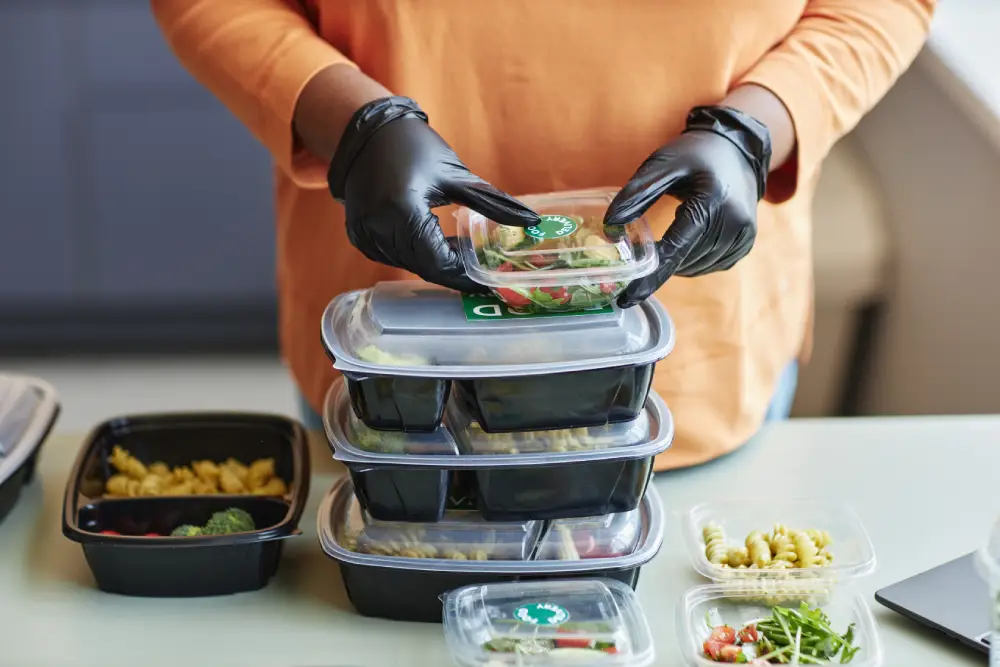
Try this instead: Use simple meal preparation techniques. Cook a batch of grains, wash vegetables, prepare a protein source, and portion snacks ahead of time. You can also explore meal kit services, weight loss food delivery, or prepared meals delivered to your door when convenience matters more than cooking from scratch.
Choose services carefully by reviewing portion sizes, ingredients, nutritional information, and overall cost.
Conclusion:
Developing healthy eating habits starts with realistic decisions you can maintain. Whether you begin planning meals, preparing ingredients ahead of time, eating more vegetables, or choosing convenient prepared options, small changes can make a meaningful difference over time.
Pick one habit to improve this week and focus on consistency. Once it feels manageable, introduce another change that supports your needs and lifestyle.
Frequently Asked Questions
What are the most important healthy eating habits?
Eating a variety of nutritious foods, including fruits, vegetables, whole grains, and protein sources, is a good starting point. Regular meal planning and mindful eating can also support consistency.
How long does it take to develop healthy eating habits?
It varies from person to person. Start with small changes and repeat them consistently rather than expecting every new habit to become automatic within a specific number of days.
Can meal preparation help me eat healthier?
Yes. Preparing ingredients or meals ahead of time can make balanced choices more convenient, reduce last-minute food decisions, and help limit food waste.
Are meal planning services worth it?
They can be useful if you struggle to organize meals, manage dietary preferences, or save time. Compare costs, flexibility, and nutritional quality before choosing a service.
Are healthy meal plans for weight loss effective?
A balanced plan can help you organize portions and make nutritious choices. Results depend on individual needs, overall eating patterns, activity, and consistency.
Is nutritious meal delivery a healthy option?
It can be, provided you choose meals with balanced ingredients and appropriate portions. Review sodium, saturated fat, added sugar, and other nutritional details.
How can I reduce food waste at home?
Plan meals before shopping, store food properly, freeze extra portions, and use leftovers in new dishes. Buying only what you can realistically use also helps.
Do I need to stop eating my favorite foods?
No. Most people can enjoy favorite foods as part of a balanced eating pattern. The goal is to build sustainable habits rather than follow unnecessary restrictions.