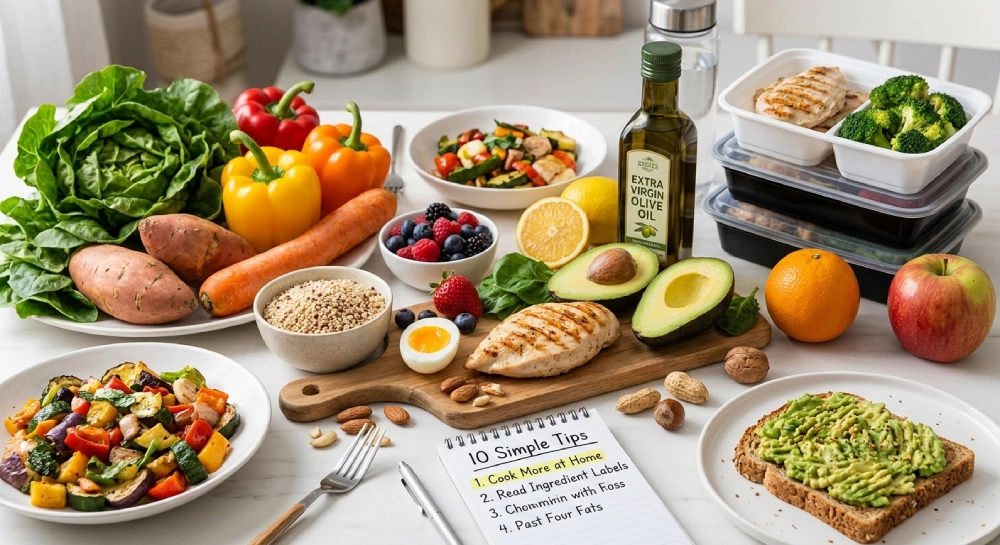
The problem with clean eating is this. It’s another limiting diet, right? Another list of items that are not food. Yet another method to complicate food.
This is not what it is, however. Clean eating is an approach to eating that involves selecting foods in their natural form. Whole Foods. Minimally processed. No labyrinthine, unpronounceable ingredients! It’s not perfectionism. It’s more about the choices we can and should make more often.
What Clean Eating Actually Means
Clean eating isn’t a diet that is rigid. It’s a mindset when it comes to eating. You’re eating whole, unprocessed foods and avoiding refined sugars, unhealthy fats and additives. Eat foods that do not have a long ingredient list. Try to eat foods that your great-grandmother would know.
That doesn’t mean that you will never eat a cookie again. When you do, it’s a good one with real ingredients.
10 Simple Tips for Clean Eating
To help you get started on the road to clean eating, here are 10 easy steps to follow:
1. Begin with the basics, Whole Foods.
Fill half of your plate with vegetables and fruits, a quarter of your plate with lean protein, and a quarter of your plate with healthy fats, while choosing whole grains. These are foods in their natural condition. Not apple juice, but an apple. Brown Rice not Rice Cakes!
2. Read Ingredient Labels
Avoid using ingredients you don’t know how to say. If the list is longer than the length of your arm, place it back. Try to choose products that have a short list of ingredients.
3. Cook More at Home
At home, you’re in control of what you put in the pot or pan. Simple meals are okay. Grilled chicken and roasted veggies. Scrambled eggs and avocado toast.
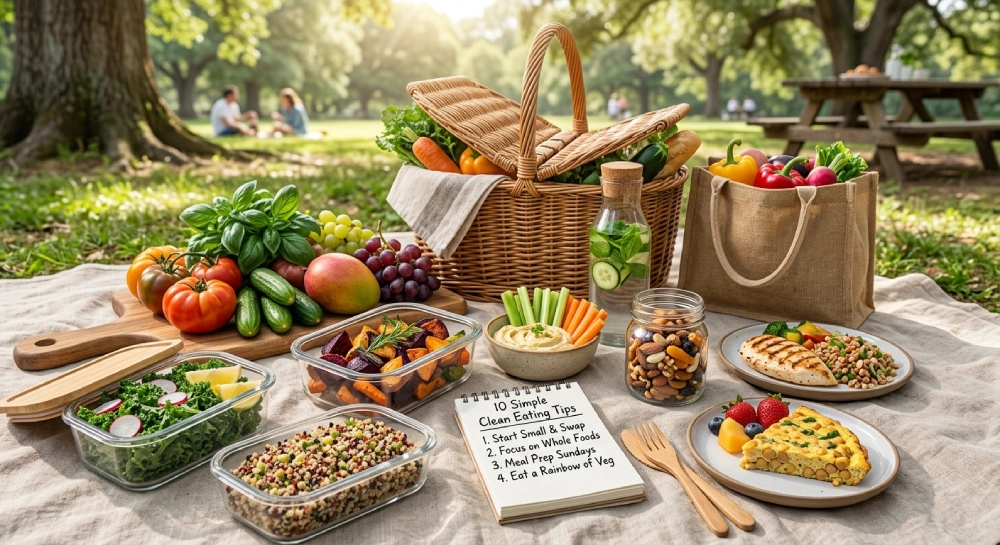
4. Plan Your Meals
Be prepared and less inclined to snack on processed food. Plan and prepare a few meals and snacks on Sunday for the week.
5. Choose Natural Oils
Use olive, avocado or coconut oil to cook. Try to shun these highly processed oils: vegetable, canola, or soybean oil.
6. Eat More Vegetables
Eat half of your plate of vegetables. Vary the colours. Eat seasonally. Vegetables are full of nutrients and low in calories.
7. Balance Your Plate
Eat protein, good fats and complex carbs at every meal. Two fistfuls of vegetables, two handfuls of protein and a palmful of carbs are a good rule of thumb to follow.
8. Watch Your Portions
Clean foods are food, just food. Use smaller plates. Eat slowly. STOP when you are full, not just “full”.
9. Drink More Water
Drink 2-3 litres of water per day. Avoid sugary drinks and diet sodas. You can get the cleanest drink of water.
10. Make Swaps, Not Sacrifices
Replace junk food with healthier alternatives. White rice replaced with cauliflower rice. Use lettuce wraps in place of bread. These are little things that accumulate.
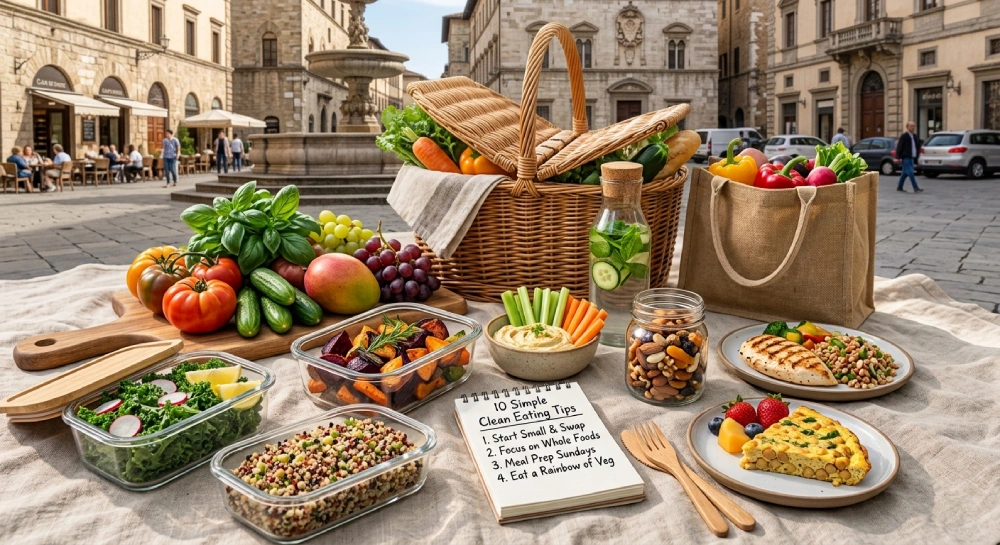
How to Make Clean Eating Sustainable
Clean eating isn’t a diet or a regime, it’s a way of eating. Don’t beat yourself up if you ate some processed foods. Another meal doesn’t have to be as dirty. The gradual changes rather than the big ones are sustainable.
Food sourcing is important as well. Buy local produce, pasture fed meat and wild-caught fish if possible. These foods provide more nutrients on a per calorie basis. Clean eating is all about the use of ingredients that are natural.
If your valuable time is limited and you want to maintain a clean diet, a food delivery service Dubai or food delivery app can be of immense assistance. Delivered meals with natural ingredients and a balanced macro are offered by many services. Low carb meals are frequently offered. It’s integrated, so it’s easier to keep on track. These services offer a viable alternative to cooking meals, with less food processing involved and are easy to source.
Conclusion
Clean eating is the concept of choosing better foods more frequently. The basis is whole foods, natural ingredients and home cooking. With a few adjustments and some careful planning, it’s kept going. If you’re pressed for time, a healthful meal delivery program can get you on target. Start small. Stay consistent. Better to make progress than perfection.
Frequently Asked Questions
What does clean eating mean?
Clean eating involves eating foods that are less processed than their high processed counterparts. It’s not a rigid diet. It’s about effecting positive change more frequently.
Is clean eating a diet?
No. A diet happens to be a short-term limitation. Clean eating is a lifestyle change towards consuming food in a natural form.
Is it OK to eat carbs when following a clean eating diet?
Yes. Opt for starchy carbohydrates such as brown rice, quinoa, sweet potatoes, and oats. Steer clear of carbs that are low in fiber and nutrients, such as white bread and sugary cereal.
Which oils are best for “clean eating”?
Oils derived from nature such as olive, avocado or coconut are helpful. Limit highly processed oils such as vegetable, canola and soy oil.
I want to begin eating clean, how do I do that?
Start small. Pick one meal each day to eat “clean.” Read labels. Cook more at home. Replace processed food with whole food options!
Is it healthy to eat takeout?
Yes. Numerous services provide meals with natural components, well-balanced macros and calorie control. A healthy meal delivery service can help you stay on track.
What are the minimally processed foods?
Food was changed only slightly from its natural state. These can include vegetables like frozen ones, beans, and plain yogurt.
How to eat healthy and on a budget?
Purchase whole foods in bulk, buy seasonal foods, prepare food from scratch, and plan food. Processed food tends to be more costly and less healthy.
Do you have to give up going out to eat while on a clean eating plan?
Yes. Select restaurants that serve fresh foods. Seek to eat grilled, not fried. Request sauces to be served separately.
Is a clean diet a high cost diet?
There is an option of the same, but it doesn’t necessarily have to be. Seasonal vegetables, beans and rice are a cheap source of whole food. Processed foods tend to be more costly and less nutritious.